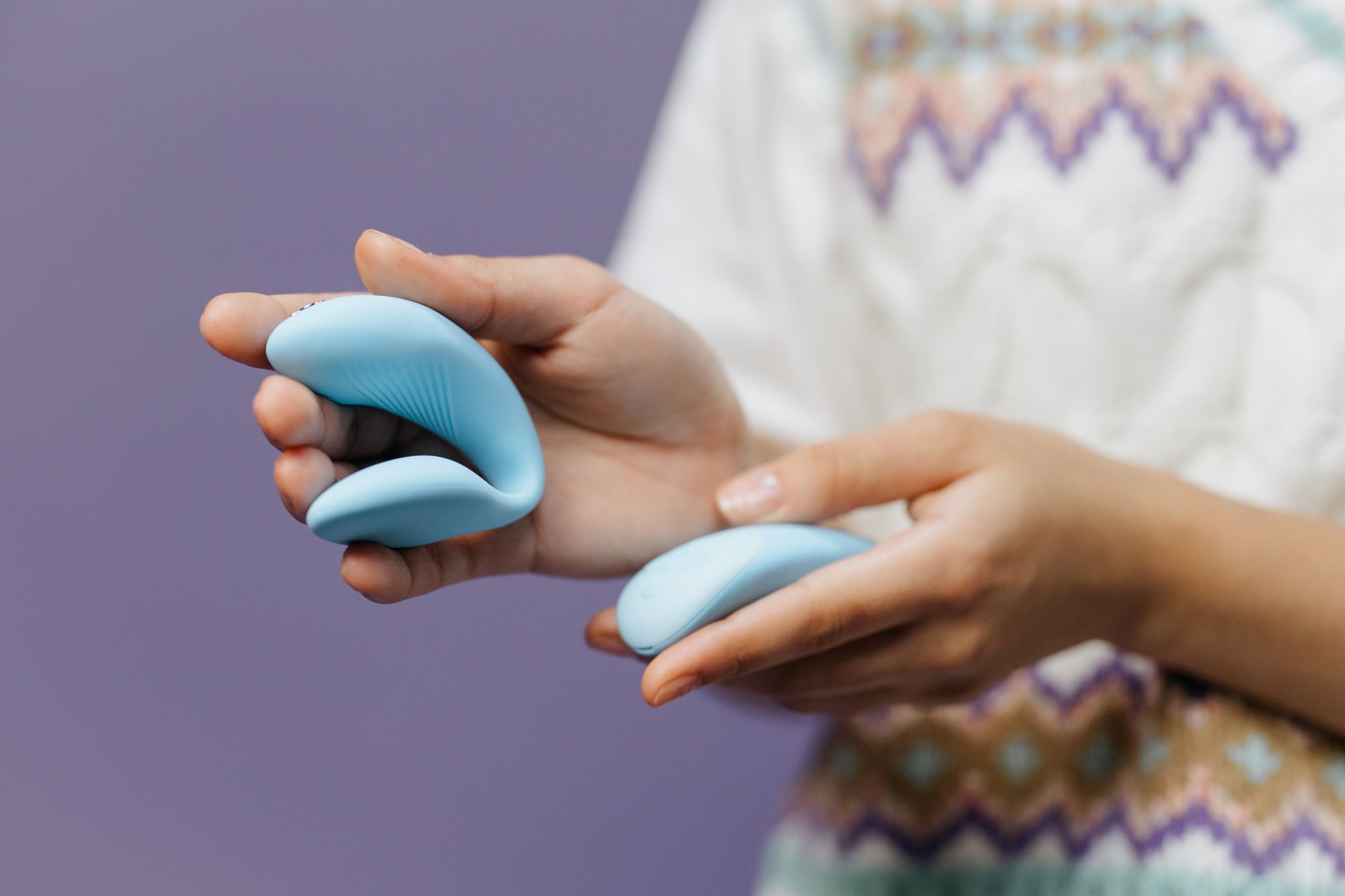
Let's talk about the decade you never get a manual for
Perimenopause doesn't arrive with a memo. It creeps in between your regular cycles with random hot flashes, mood swings that make no sense, and suddenly your body responding to touch in ways you don't recognize. If you've been using lemon vibrators or other clitoral vibrators for years and they suddenly feel off, you're not losing your mind. Your hormones are genuinely in flux.
The frustrating part? This phase lasts anywhere from four to ten years. That's a long time to feel like a stranger in your own skin. But here's the thing I tell my clients: understanding what's happening biochemically makes it so much easier to work with your body instead of against it.
What perimenopause actually does to pleasure
Perimenopause is the messy transition before menopause officially happens (which is when you haven't had a period for twelve months straight). During this phase, your body is still producing estrogen and progesterone, but the production becomes erratic. Some months your levels are high. Other months they plummet. Your brain is basically getting mixed signals about what season your body thinks it's in.
That fluctuation matters for pleasure in specific ways. Estrogen affects blood flow to the vulva, lubrication production, and how sensitive your nerve endings feel. When estrogen dips, even slightly, genital tissue becomes less plump, lubrication takes longer to produce, and the clitoral glans can feel either hypersensitive or less responsive, depending on where you are in your cycle.
Progesterone also plays a role. Higher progesterone can dampen arousal and make stimulation feel less intense. When progesterone drops, arousal often sharpens. But because perimenopause swings these levels around randomly, your baseline keeps moving.
The result: some days a lemon clitoral vibrator feels exactly right. Other days you need it on a lower setting. And sometimes nothing lands quite the way it used to.
Why sensitivity becomes unpredictable
Think of your clitoral sensitivity like a volume dial that someone else is randomly adjusting. When estrogen is up, the dial is in a comfortable place. You know how much stimulation you want, and you can reliably find it. When estrogen dips, the dial either turns way up (hypersensitivity) or down (reduced sensation), sometimes within the same week.
This is why you might reach for your favorite lemon vibrator and find that Pattern 2 (which was perfect last month) now feels either too intense or too light. Your tissue thickness is genuinely different. Your blood flow is different. Your nerve sensitivity has shifted.
One unexpected side effect: many people in perimenopause experience increased clitoral sensitivity just before their period, when progesterone drops sharply. If you track when you're most responsive to clitoral vibrators during your cycle, you might notice a pattern. That pattern is real, and it's not a sign that anything is wrong. It's just your hormones doing their thing.
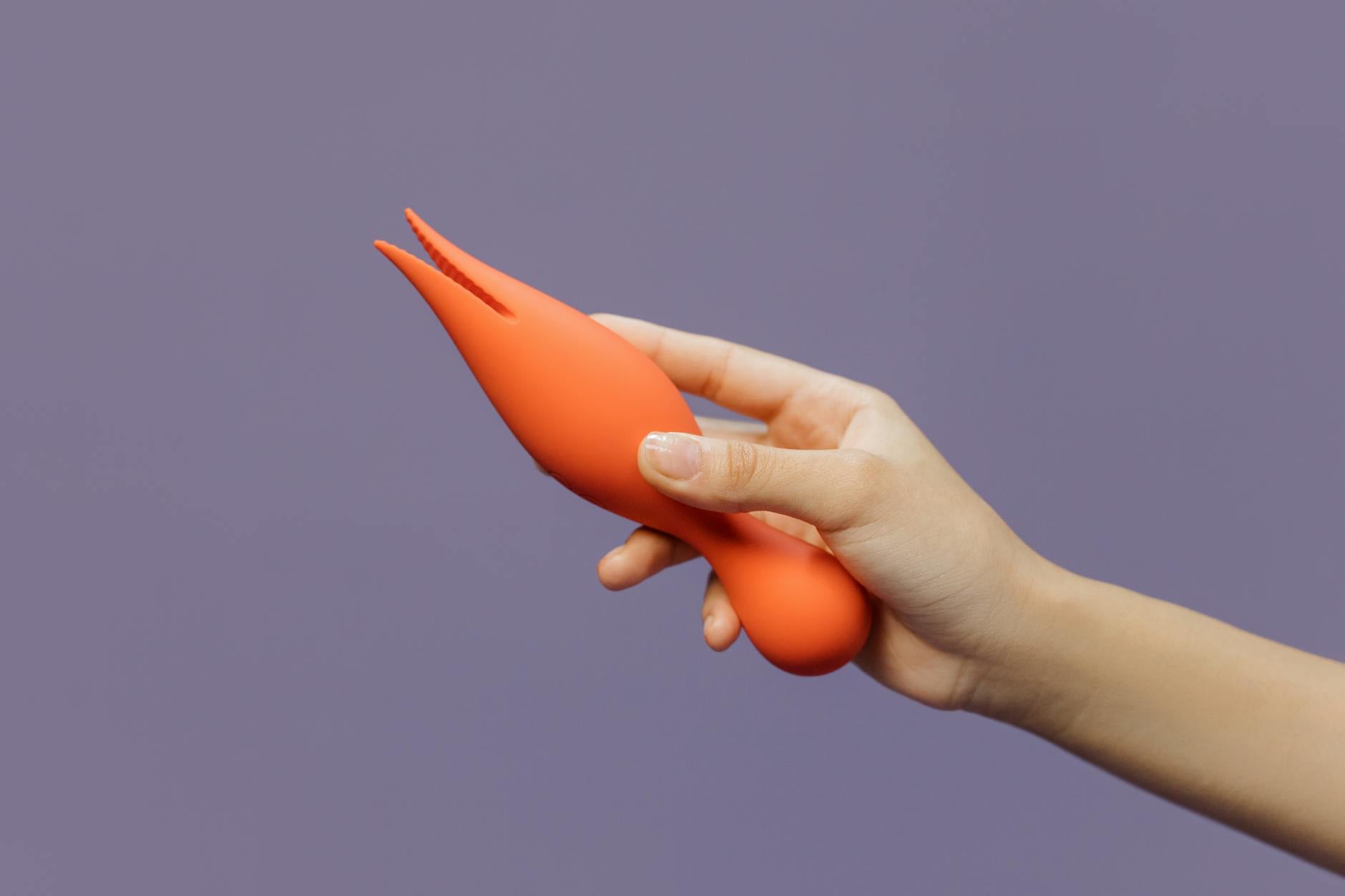
Photo by cottonbro studio on Pexels
How the Lemon (and other suction vibrators) adapt to your changing body
The reason I recommend air-suction clitoral vibrators like the Lemon to clients navigating perimenopause is straightforward: suction stimulates without requiring direct friction. That matters when your tissue sensitivity is unpredictable.
With a traditional vibrator, the stimulation is consistent regardless of what's happening hormonally. You activate it, and you get the same sensation every time. That's the design. But when your tissue is thinner, more sensitive, or less responsive than usual, consistent direct vibration can feel either overwhelming or ineffective.
Suction works differently. It gently pulls on the clitoral tissue, creating a massaging sensation that engages the whole clitoral structure, not just the surface. On a sensitive day, you can use the Lemon at a lower intensity or in a pulse pattern. On a day when you need more sensation, you can increase intensity or switch patterns. The variability built into suction gives you more control when your body's baseline keeps shifting.
Many people in perimenopause also find that suction feels less irritating to tissue that's already experiencing fluctuations in lubrication. Because it's not friction-based, it works well with or without lubricant, though a water-based lube (like Hyalo Gyn) makes it feel even better.
Lubrication, hormones, and why you suddenly need more (or less)
Here's something most people don't talk about: your natural lubrication changes throughout perimenopause, and it's not always a straight line downward. Some months you might notice less lubrication than you're used to. Other months, especially right before your period, you might produce more.
This is partly because reduced estrogen means the vaginal tissue produces less of the glycogen that lactobacilli use to make lactic acid. Less lactic acid means a different vaginal environment. But it's also because progesterone affects the cervical mucus, and cervical mucus contributes to overall lubrication.
When lubrication shifts, so does your experience with any toy. A lemon clitoral vibrator that felt smooth last month might feel sticky. One that needed lube might not need it this month. This isn't your imagination. Your body's actual chemistry is different.
The practical move: keep a good water-based lubricant on hand and don't assume you know what you'll need before you start. Your body during perimenopause deserves that flexibility.
The mood and arousal piece that nobody warns you about
Physical sensation is only half the story. Perimenopause also affects the neurotransmitters that fuel arousal: dopamine, serotonin, and norepinephrine all fluctuate with your hormones. If you find that you're less interested in pleasure than you used to be, or that it takes longer to feel aroused, that's your brain chemistry, not your libido dying.
I've had clients tell me, "I know I want to use my vibrator, but I can't get the mental space to be excited about it." That's progesterone and declining estrogen affecting motivation and focus. It's not a character flaw. It's not the relationship. It's biochemistry.
One thing that helps: separating the pressure to perform from the exploration. Instead of expecting an orgasm, try using a lemon clitoral vibrator just to notice what feels good today. Some days that turns into arousal and sensation. Other days it's just a pleasant 10 minutes of touch. Both are fine. Removing the expectation often makes it easier to access pleasure when it's there.
Also, if you have a partner, this is a really good time to communicate about what you're experiencing. "I'm in perimenopause and my sensitivity is all over the place" is useful information for them. It prevents the common misunderstanding where a partner thinks lower arousal or delayed orgasm means lower attraction. It doesn't. It means hormones are doing their job.
When to check in with a doctor
If your lubrication drop is severe enough that sex becomes painful, or if you're experiencing pain during masturbation that's new, that warrants a conversation with your gynecologist. Genitourinary syndrome of menopause (GSM) can start in perimenopause, and it's very treatable. A topical estrogen cream can restore tissue thickness and lubrication in weeks, and the absorption into your bloodstream is minimal.
If your mood changes are severe, or if you're experiencing other perimenopause symptoms that are disrupting your life (heavy bleeding, night sweats that prevent sleep), hormone therapy or other treatments are worth discussing. Perimenopause shouldn't have to feel like chaos.
Also, if you've been on SSRIs or other medications for a while and you're now noticing changes in arousal or sensation, mention that to your doctor. Why Lemon Vibrators Take Longer to Work After Starting Antidepressants covers this in detail, but basically, medication and hormonal shifts can compound each other.
How to recalibrate your relationship with your vibrator during this phase
Instead of expecting your go-to settings to work the same way, think of perimenopause as an invitation to experiment. If the Lemon has a lower intensity or pattern mode you've never tried, this is the time. Some clients find that a gentler pulse works better during high-sensitivity times. Others find that switching to a higher intensity helps break through when sensation feels muted.
Keep a very light journal if you're willing. Nothing formal. Just a note on your phone: "Pattern 3 felt great today" or "Needed more lube." After a few weeks, you'll notice patterns in your body. Maybe you're more responsive right after your period. Maybe you need more warm-up time during high-progesterone weeks. That self-knowledge becomes your compass.
Also, don't retire your vibrator because it "doesn't feel the same." It's not the vibrator that's changed. Your body is temporarily in a new configuration. You're not starting over. You're adjusting.
FAQ: Your perimenopause pleasure questions answered
Does every woman experience changes in pleasure during perimenopause?
No. Some people sail through perimenopause with minimal changes to their sexual response. Others notice significant shifts in sensitivity, arousal, and orgasm. A lot depends on how much your individual estrogen and progesterone levels fluctuate, your stress levels, your partner situation (or lack thereof), medications you're on, and your baseline health. If you're not noticing changes, that's great. If you are, that's also completely normal.
Can I use the Lemon the same way I did before perimenopause?
You can, but you might find that adjusting your approach feels better. Many people in perimenopause benefit from slower warm-up time, lower intensity levels, or more lubrication than they needed before. The Lemon is designed to let you adjust pattern and intensity, which is helpful when your body's preferences are shifting. It's not about doing it wrong before. It's about having options now.
Will my sensitivity come back to normal after menopause?
After your periods stop for a full year and you're officially in menopause, your hormones stabilize at a new baseline. That stability often makes pleasure more predictable, even if the baseline is different than perimenopause. Some people find that post-menopause sensation is actually clearer because the hormone chaos has settled. But that new baseline is different from your pre-perimenopause baseline. It's not going "back" to normal. It's finding a new normal.
Should I switch vibrators during perimenopause or stick with what I know?
Stick with what you know unless it stops working. If your Lemon still feels good but sometimes you need different intensity options, that's what different patterns are for. The only reason to switch would be if suction stimulation specifically stops working for you, which is rare. How to Choose a Lemon Vibrator if You've Never Used One Before covers picker factors, but most people stay with what they know during transitions like this.
Does hormone therapy change how clitoral vibrators feel?
Yes. Hormone therapy raises your estrogen levels (if you go on it), which restores some tissue thickness and lubrication. Many people on HT report that their pleasure response feels closer to pre-perimenopause baseline. If you start HT, you might find you don't need as much lubrication or that sensitivity stabilizes. That's the point. It's worth noting that HT is a very individual decision and something to discuss thoroughly with your doctor.
Can I still have good orgasms during perimenopause?
Absolutely. Some people's best orgasms happen during perimenopause because the pressure and expectation often drops. You're not trying to get pregnant. You're not in your twenties trying to "perform." You're just exploring what feels good. That mental shift can intensify pleasure even if the physical response feels different. The orgasms might be shorter, longer, more concentrated, or more diffuse than before. Different doesn't mean worse.
What you actually need to know
Perimenopause is not the beginning of the end of your pleasure. It's the beginning of a new phase where your body asks you to pay closer attention and adjust your approach. That attention is actually a gift because it makes you more attuned to what you want and what works.
Your lemon clitoral vibrator isn't broken. You're not broken. Your hormones are doing exactly what they're designed to do. The Lemon and other suction vibrators are specifically useful during this time because they give you control when your body's needs are changing week to week.
If you want to understand more about how different life phases affect your pleasure, Why Lemon Vibrators Feel Different When Dealing With Hormonal Fluctuations Outside Menopause dives into PCOS, irregular cycles, and other hormonal variations. And if you're navigating this transition with a partner, How to Use Lemon Vibrators Across Different Relationship Stages has strategies for communicating about changes.
Your pleasure deserves care and curiosity, even when your body is in transition. Especially then.