Let's cut through the noise
Buying your first vibrator feels like it should come with an instruction manual. There are so many shapes, intensities, and brands out there. Do you want something quiet? Fast? Waterproof? The real problem is that most buying guides treat vibrators like they're all the same thing, just in different colors. They're not.
Let me be straight with you. If you've never owned a clitoral vibrator before, there's a meaningful difference between what marketing tells you to buy and what actually works for your body. That gap is where most first-time buyers end up frustrated. The good news? It's completely avoidable.
Why lemon vibrators stand out from the pack
Here's the first thing to understand. Traditional vibrators work by, well, vibrating. They buzz. Fast oscillations against your skin. Lemon vibrators work differently. They use suction and pulsing patterns instead of pure vibration. Think less like a buzzer, more like a gentle rhythm that mimics oral stimulation.
Why does this matter for a first-time buyer? Because suction-based stimulation feels wildly different from buzz-based stimulation. A lot of people who've tried standard vibrators and felt nothing suddenly get it with a lemon toy. Your sensitivity to one doesn't automatically translate to sensitivity to the other. They're using different neural pathways entirely.
Most people I talk to fall into one camp or the other. Some respond immediately to suction. Others need time to adjust or prefer traditional vibration. Neither is wrong. Knowing which one you are before dropping money saves you from a drawer full of toys that don't work for you.
Intensity is not what you think it is
When vibrator brands talk about "intensity levels," they're usually describing speed or strength of vibration. With lemon-style suction toys, intensity is actually about suction strength and pulse rhythm. These are not the same thing.
Here's where beginners get stuck. You read "multiple intensity levels" and imagine a dial from whisper to rocket. In reality, most lemon clitoral vibrators have 3 to 5 settings that feel more like subtle variations than dramatic jumps. Setting 1 is not weak. It's just different. Some people camp out on setting 2 forever because setting 3 feels like overkill.
That matters because if you buy a toy expecting intense, powerful stimulation and it arrives feeling gentle, you might assume you chose wrong. You didn't. The suction toy is working exactly as designed. It's just working differently than a traditional vibrator would.
If you know you respond to strong, direct stimulation, that information matters. Some brands make lemon-style toys with higher suction power. Others are built for sensitivity. Knowing your starting point helps you match the tool to your body, not the other way around.
Size and shape actually determine comfort
This is where a lot of first-time buyers cut corners. You see a vibrator online, it looks nice, the price is reasonable, and you order it. Then it arrives and it's either too big for your hand to grip comfortably or the contact area feels wrong for your vulva.
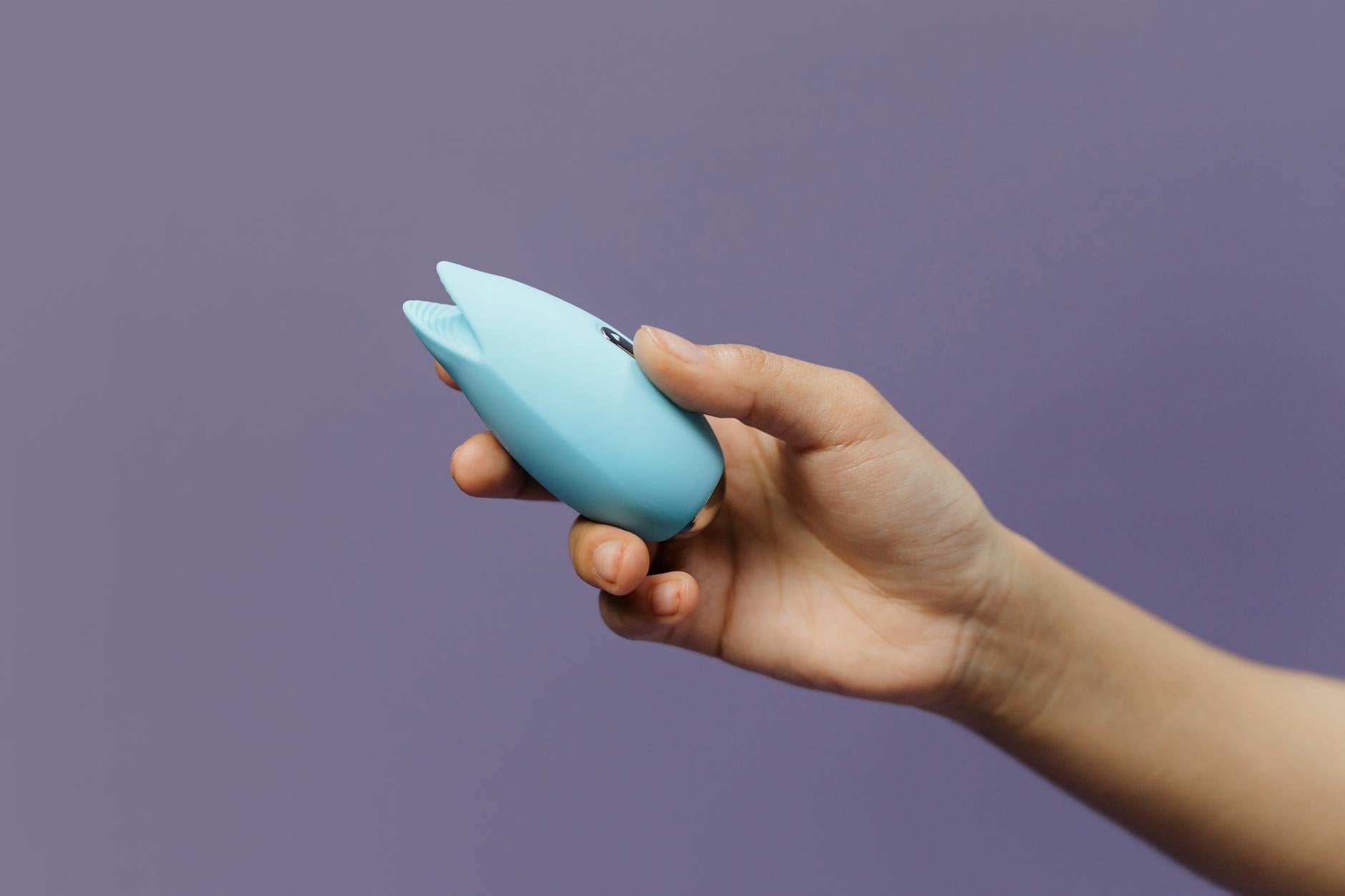
With lemon vibrators specifically, the contact head matters more than overall size. Some lemon toys have a wider, flat contact area. Others have a more pointed tip. Some are symmetrical. Others have an asymmetrical shape. If you've never explored what feels good against your vulva, this is genuinely hard to predict.
Here's my practical recommendation. Start with something that fits your hand easily. You'll be controlling it during use, so grip matters. The contact head should feel reasonably small, not enormous. If you're used to exploring your vulva with your fingers or a smaller toy, look for lemon vibrators on the compact side. You can always upgrade to something larger once you know what works.
Portability matters too. Are you living alone or with partners? Do you travel? Do you want to store it discretely? If you travel frequently or share a bathroom, a smaller lemon toy makes more sense than something the size of a small vibrator. Hello Nancy offers smaller lemon clitoral vibrators that fit standard drawers without being obvious.
Suction versus traditional vibration: know what you're choosing
Okay, so let's talk about why this actually matters for your first purchase. Traditional vibrators use oscillation. That means the head moves back and forth very quickly, creating vibration against your skin. If you've ever held something that vibrates, that's the sensation.
Lemon suction toys don't work that way. They create gentle suction around the clitoris combined with pulsing patterns. The sensation is rhythmic but not vibrating. Many people find it feels closer to oral sex than anything else. Some people respond to it immediately. Others need a few sessions to adjust.
If you've never had any toy before, either could be your entry point. But statistically, beginners respond better to suction toys if they prefer gentler initial stimulation. Traditional vibrators can feel too intense right away if your sensitivity is high.
My suggestion? If you don't know which you'd prefer, lean toward a lemon-style toy for your first purchase. The adjustment period is shorter, and they're generally easier on sensitive tissue. If you hate it after a genuine trial period (at least five sessions), you know to try traditional vibration next. But most of the time, people who struggle with traditional vibrators click immediately with suction.
Noise level matters more than you'd think
This is the thing nobody talks about until they own a vibrator and suddenly realize they live with someone else. Even toys marketed as "quiet" can be surprisingly loud if you weren't expecting it.
Lemon vibrators are typically quieter than traditional vibrators, but they're not silent. If you need something truly discreet, that's worth factoring in. Some lemon toys are louder than others. Cheaper ones tend to be noisier. Better-designed lemon clitoral vibrators use materials and motors that reduce vibration noise naturally.
If sound is a dealbreaker for you, it's okay to say that. There's no point buying a toy you're too anxious to use because you're worried someone will hear it. Pick something known for quiet operation, or go with a toy designed for discrete use.
Material and skin sensitivity
This is genuinely important and often overlooked by beginners. Most quality vibrators are made from medical-grade silicone. That's the best choice for sensitive skin. Cheap vibrators sometimes use unclear materials that can cause irritation.
If you have sensitive vulva skin or any history of irritation, check what the toy is made from before you buy. Medical-grade silicone is the gold standard. Some brands also make vibrators from glass, stainless steel, or other body-safe materials. All of these are fine. What you want to avoid is anything that doesn't specify the material or uses phrases like "jelly rubber" or "TPE" without medical-grade specification.
Waterproof toys are nice for cleaning and for shower use. They're not essential, but they do make maintenance easier. If you're a beginner, waterproof is a reasonable feature to prioritize because you'll want easy cleanup.
Price versus quality: what you're actually paying for
Let's talk money. A decent lemon clitoral vibrator costs between 60 and 100 dollars. That sounds like a lot for a toy. It sounds like less when you realize it might be something you use multiple times a week for years.
Cheaper vibrators exist. They're usually not worth it. The motor burns out faster, the material breaks down, the design is uncomfortable. A vibrator you hate is the most expensive purchase you can make because you'll never use it.
Mid-range lemon vibrators from brands like Hello Nancy offer solid quality, good design, and reasonable pricing. You're paying for engineering that actually works, not just the name. That's where most first-time buyers should land.
If price is genuinely a barrier, that's real. But if you can afford it, spending slightly more upfront saves you from buying three terrible toys and finally getting one good one. Start with one good tool rather than several mediocre ones.
How to actually try before committing
Here's the hard truth. You can't fully know if a vibrator will work for you until you use it. Online reviews help, but they're not your body. Your best move is to buy from a brand with a good return policy. Hello Nancy has a straightforward return process if something genuinely doesn't work for you.
Give yourself a real trial period. That means at least three to five solo sessions with the toy before you decide. First-time use is often weird because you're adjusting to the sensation and focusing on whether it "works" rather than actually enjoying it. By session three, your body usually knows if this is for you.
If after five real attempts it's still not connecting, return it and try something different. That's not failure. That's learning what your body responds to. It's actually useful information.
The one thing beginners always get wrong
Most first-time vibrator users expect pleasure to feel obvious immediately. Like, you turn it on and suddenly everything clicks. That's sometimes true. It's also sometimes completely false.
Orgasm with a vibrator is a learned skill. Your body needs time to understand what stimulation pattern it responds to. You might need to experiment with angles, pressure, and rhythm. That's normal. That's actually how it works for a lot of people, especially beginners.
If you buy a lemon vibrator and nothing happens the first time, that doesn't mean the toy is broken or you're broken. It means you're still figuring it out. Give yourself permission to explore without pressure to orgasm. Most people find that pressure actually makes things harder.
Questions people actually ask before buying
What's the actual difference between a lemon vibrator and other clitoral toys?
Lemon vibrators use suction and pulsing patterns. Traditional vibrators use oscillating vibration. Suction feels smoother and more rhythmic. Vibration feels buzzy and direct. They stimulate different nerve endings. Some bodies prefer one, some the other, some like both.
Is a lemon vibrator better for sensitive vulvas?
Often, yes. The suction mechanism is gentler than direct vibration against sensitive tissue. But it depends on what your body responds to. Some sensitive vulvas do great with traditional vibration at low speeds. Others prefer suction. The best way to know is to try, or talk to your partner about what you've experienced before.
Can you use a lemon vibrator during partnered sex?
Absolutely. Lemon suction toys work well with partners. The contact head is usually small enough that a partner can use it during sex or foreplay. Some people prefer to use it solo during partnered sex for additional stimulation. That's a conversation worth having with your partner.
How long does a lemon vibrator charge last?
Most charge via USB and hold power for 1 to 2 hours of use. That's plenty for most sessions. If you travel frequently, look for one with quick charging. Some lemon vibrators charge in under an hour.
Will neighbors hear my vibrator?
Lemon vibrators are generally quieter than traditional vibrators, but they're not silent. If sound is a real concern, look for toys specifically designed to be quiet, or consider using a vibrator at times when ambient noise is higher (shower, during music, etc.). It's a valid consideration and not something to feel weird about.
Is there a learning curve with lemon vibrators?
Yes, for most people. Your body needs a few sessions to figure out what to do with the sensation. By session three or four, most people know if it's working for them. That's not a flaw in the toy. That's just how bodies adjust to new sensations.
The bottom line
Choosing your first lemon vibrator comes down to three things. Knowing whether suction or vibration calls to you (or trying suction first). Picking something that fits your hand and matches your sensitivity level. And buying from a brand with good design and a return policy.
You deserve a tool that actually works for your body, not one that looks good in a photo. Take the time to think through what matters to you. Then pick one thing and try it genuinely. Most beginner frustration comes from expecting magic on day one, not from picking the wrong toy.
Ready to find your first lemon vibrator? Start with our <a href="/blog/guide">buying guide</a> for detailed product comparisons. Or if you're still unsure, <a href="/contact">reach out</a>. We can help you narrow it down based on what you actually care about.