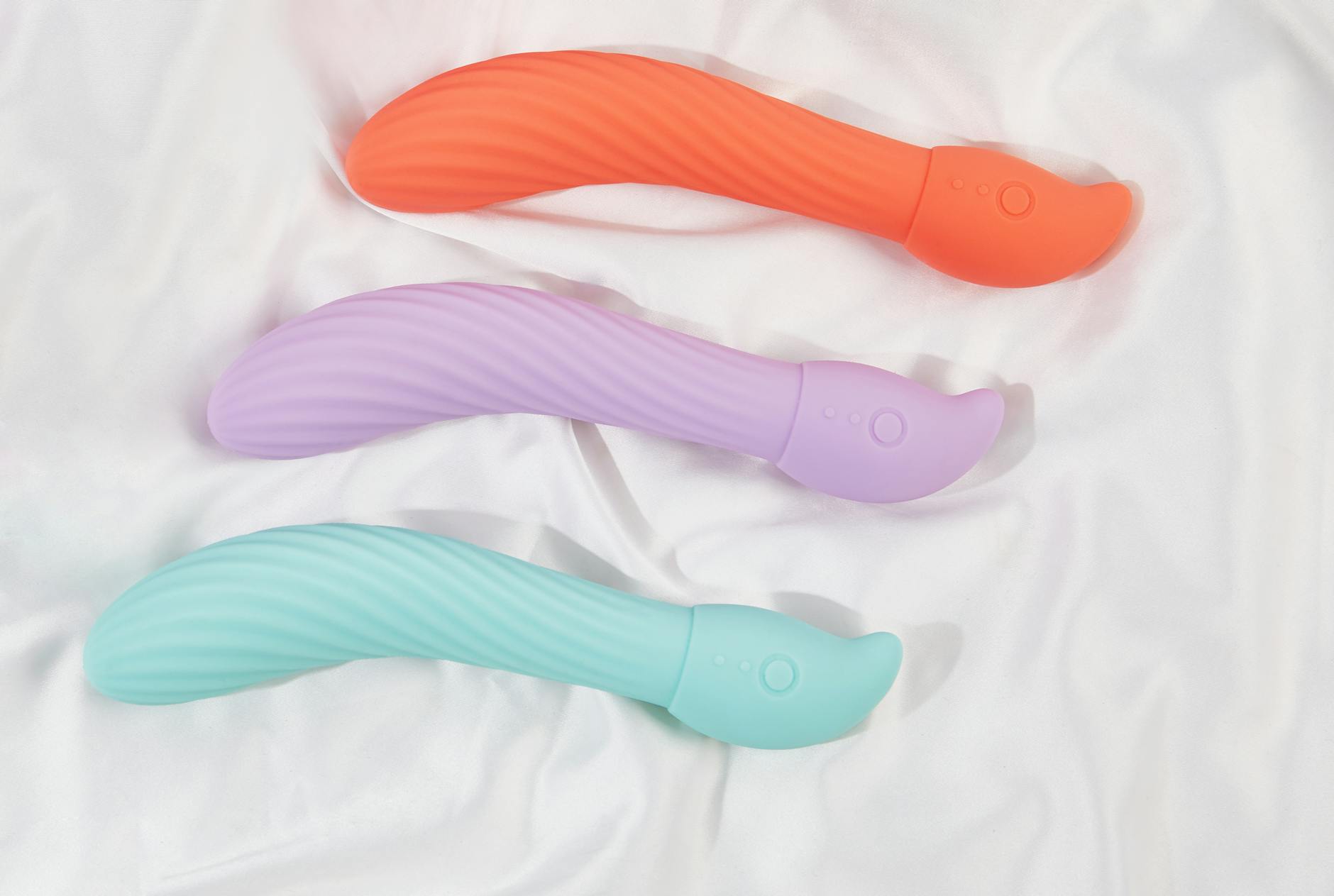
If traditional vibrators leave your vulva sore, you're not broken
Sensitive vulva tissue isn't a flaw. It's biology. Thinner epithelium, more reactive nerve endings, lower pain thresholds around the clitoris. For people with this sensitivity, the buzz-and-grind of conventional vibrators often feels less like pleasure and more like friction overload.
That's where the design of a lemon vibrator changes everything.
What makes a lemon vibrator different
Instead of rapid vibration against tissue, a lemon clitoral vibrator uses gentle suction. The mechanism pulls the clitoral hood and tissue upward, creating stimulation through pressure and release rather than direct friction or repetitive buzzing. This is crucial for sensitive vulvas.
A traditional vibrator requires direct contact. The motor's vibrations transfer straight to delicate tissue. If that tissue is easily irritated, inflamed, or simply lower in pain tolerance, intensity builds quickly. Within minutes, sensitivity can flip into soreness.
Lemon vibrators distribute pressure differently. The suction cup creates a seal, then pulses. The clitoris moves slightly within that sealed space, stimulated by the pattern of suction waves rather than surface friction. It's gentler. It's also often more effective because it engages more nerve pathways at once.
The tissue science behind sensitivity
Vulva sensitivity varies hugely. Some people have naturally thinner clitoral tissue. Others develop sensitivity after:
- Hormonal changes (birth control, pregnancy, menopause)
- Pelvic floor tension or trauma
- Inflammatory conditions like vulvodynia or lichen sclerosus
- Antibiotics or medications that shift the microbiome
- Recovery from childbirth or pelvic procedures
When tissue is compromised, traditional vibrators feel like using sandpaper. The repetitive impact, even at low settings, compounds irritation.
Lemon vibrators sidestep this problem. The suction mechanism doesn't rely on vibration intensity hitting sensitive tissue head-on. Instead, it creates a rhythmic pulse. Sensitive vulvas respond better because the stimulation is more diffuse and the pressure is more manageable.
Why sensation feels safer with suction
Three reasons people with sensitive vulvas prefer lemon clitoral vibrators:
Pressure over friction. Suction creates vertical lift and gentle pulsing, not horizontal grinding. Sensitive tissue tolerates pressure differently than friction.
Customizable intensity without pain. You can control suction strength independently of pattern. A lemon vibrator lets you use a gentle suction level with a slower pattern, then adjust either variable without jumping to full-force buzzing.
Less cumulative irritation. Traditional vibrators can sensitize tissue further with use. Lemon vibrators tend to leave vulvas feeling satisfied rather than raw. Many people report they can use them longer without post-play soreness.
Real scenarios where this matters
I work with people who've had terrible experiences with conventional vibrators. One client with vulvodynia tried seven different traditional toys before finding relief with a lemon vibrator. She could finally reach orgasm without her vulva burning for hours afterward.
Another was recovering from pelvic floor physical therapy. Her tissue was inflamed and tender. Traditional vibrators felt like torture. The gentle suction of a lemon vibrator allowed her to rebuild pleasure without re-traumatizing healing tissue.
Then there's the partner dynamic. Many people avoid toys altogether because sensitivity makes pleasure feel complicated or painful. Introducing a lemon clitoral vibrator gives them back access to their own body. That changes everything about how they approach intimacy.
How to use a lemon vibrator if you have sensitive vulva tissue
Start slow. Lemon vibrators are gentler than traditional options, but "gentler" doesn't mean you should jump to maximum suction on day one.
Begin with the lowest suction setting and a slow pattern. Get familiar with how the sensation feels. Your vulva will tell you if it's comfortable. If it feels good, you can experiment with increasing pattern speed or suction strength.
Use water-based lubricant. Even though suction vibrators don't create the same friction as traditional toys, a little lube makes the seal feel smoother and more comfortable.
Pay attention to warm-up time. Sensitivity often means arousal takes longer to build. Give yourself 10-15 minutes of foreplay before introducing the toy. A well-aroused vulva is a more resilient vulva.
Watch for post-play irritation. If your tissue feels tender or irritated after use, dial back intensity or duration next time. Sensitive vulvas sometimes need recovery time between sessions.
When to see a professional
If every toy, including a gentle lemon vibrator, causes pain or persistent irritation, talk to a vulvovaginal specialist or gynecologist trained in pelvic pain. Conditions like vulvodynia, contact dermatitis, or lichen sclerosus require professional support and shouldn't be self-managed with toys alone.
Sensitivity isn't shameful. But it does sometimes signal that something else is going on. Get clarity. Then, toys like lemon clitoral vibrators become part of a toolkit instead of a source of frustration.
The bottom line
Sensitive vulva tissue deserves pleasure without pain. Lemon vibrators were designed with exactly this in mind. The suction-based mechanism is fundamentally gentler, more customizable, and less likely to leave you irritated. If traditional vibrators have been a letdown, a lemon vibrator might be the missing piece.
Your sensitivity isn't a problem to solve. It's just information. Use it to choose tools and approaches that honor your body instead of fighting it.
People also ask
Can a lemon vibrator cause irritation if my vulva is very sensitive?
It's unlikely, but it's possible if suction is too strong or you use it for too long. Start at the lowest setting and shortest session (5-10 minutes). If irritation appears, reduce intensity or take a break between uses. Most people with sensitive vulvas find lemon vibrators significantly gentler than traditional vibrators, but your tissue is unique. Pay attention to how you feel after use.
Is it true that lemon vibrators feel less intense than regular vibrators?
They feel different, not necessarily less intense. Traditional vibrators buzz at the surface. Lemon vibrators stimulate through suction and pulsing, which can feel more diffuse or sometimes even deeper. Intensity is subjective. Many people with sensitive vulvas experience lemon vibrators as more satisfying because the sensation doesn't trigger irritation or pain.
How often is it safe to use a lemon vibrator if I have vulva sensitivity?
Start with once or twice a week. Give your tissue 24-48 hours between sessions if you notice any irritation. As your comfort builds, you can use it more frequently. Some people use lemon vibrators daily without issue. Others find they need more recovery time. Listen to your body. If post-play soreness appears, space sessions out further.
Will using a lemon vibrator eventually make my sensitivity worse through adaptation?
No. Unlike traditional vibrators, which can sometimes compound irritation over repeated use, lemon vibrators tend to leave tissue healthier. Because the mechanism is gentler and the pressure is distributed differently, most people don't experience the sensitization that happens with friction-based toys. That said, individual variation exists. If you notice increased sensitivity, take a week off and reassess.
Are lemon vibrators safe for people with vulvodynia or other pain conditions?
Often yes, and many people with these conditions report relief. But vulvodynia and similar conditions vary widely in cause and severity. A lemon vibrator may feel soothing for some and triggering for others. Start with the gentlest setting possible, use it very briefly, and consult your pelvic pain specialist if you're unsure. Some people benefit enormously. Others need different approaches. Professional guidance helps you figure out where you fall.
What's the difference between a lemon vibrator and other gentle clitoral vibrators?
The core difference is the mechanism. Lemon vibrators use suction. Other gentle options might use softer materials, lower vibration frequencies, or smaller contact surfaces. Suction-based lemon clitoral vibrators tend to be the most gentle because they avoid direct friction entirely. If you've tried other "gentle" toys and they still irritate your tissue, a lemon vibrator's suction mechanism offers a meaningful alternative.
Getting started with Hello Nancy
If sensitivity has kept you from exploring pleasure with toys, a lemon clitoral vibrator is worth trying. The design reduces friction and gives your tissue breathing room. Most people are surprised by how different the sensation feels compared to traditional vibrators.
Your vulva isn't too sensitive. It's just been waiting for the right tool. Have questions about whether a lemon vibrator is right for you? Reach out. We're here to help you find pleasure that feels good in your body.