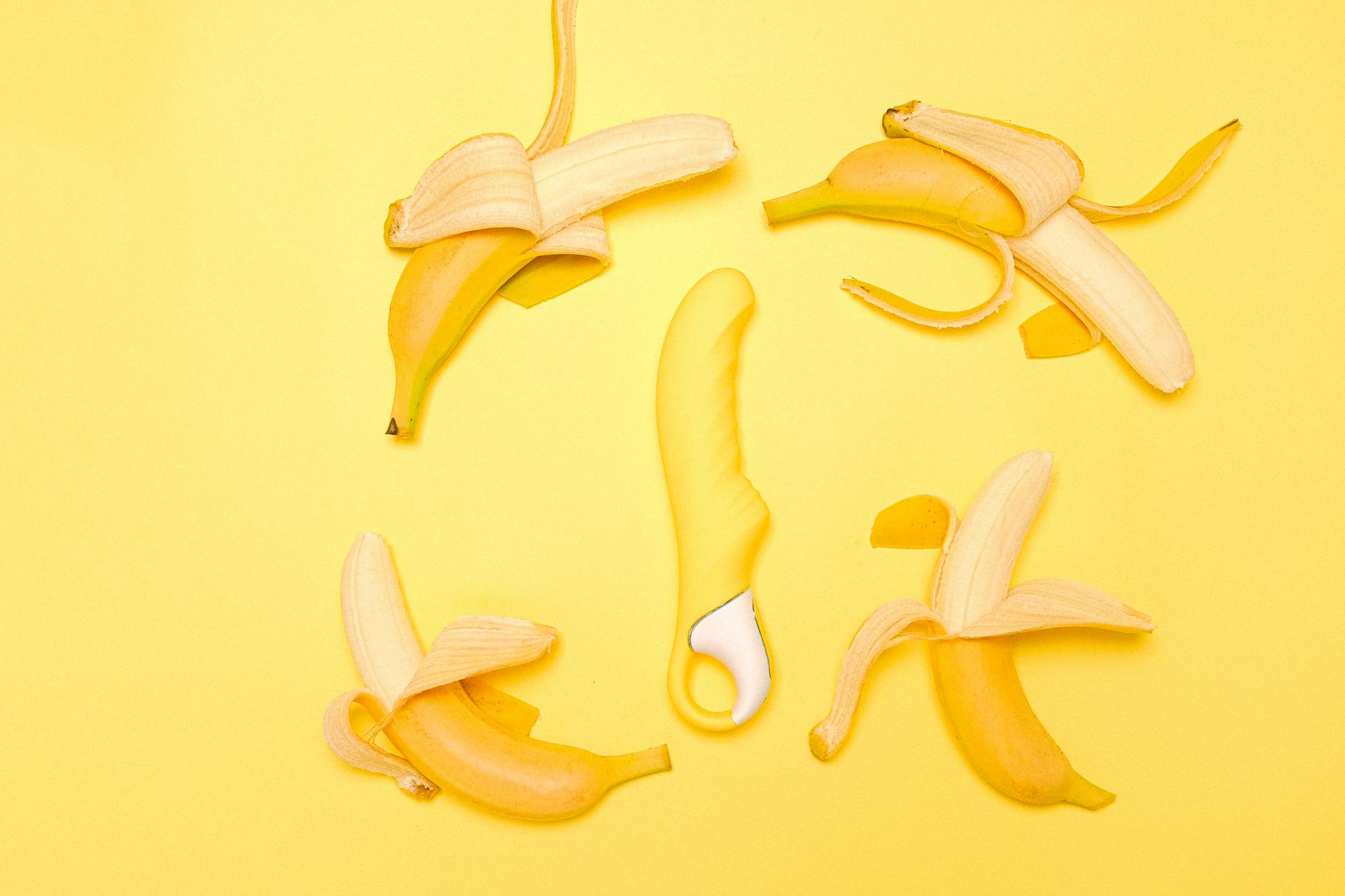
Here's the thing about solo pleasure becoming shared pleasure
You've spent months, maybe years, learning exactly how your body responds to a lemon clitoral vibrator. You know which pattern works, what speed sends you there, how long the warm-up takes. Then a partner enters the picture and suddenly that same toy, in your partner's hand or alongside them in bed, feels wrong. Different rhythm, different pressure, different mindset entirely.
This isn't a sign that something broke. It's a sign that pleasure is contextual, and context has fundamentally shifted.
What actually changes when someone else is present
Physically, three things happen when you move from solo exploration to partnered use of a lemon vibrator.
First, pressure shifts. When you're alone, you control the angle, speed, and intensity moment to moment. Your hand knows exactly where that sweet spot lives. When your partner holds the toy, they're working from external feedback and guesswork at first. The angle changes. The pressure distribution changes. Even a millimeter shift in placement can make the difference between precision and approximation.
Second, your nervous system enters a different state. Solo pleasure is parasympathetic dominant. You're relaxed, focused inward, building arousal on your own timeline. When a partner is present, even a partner you trust completely, your sympathetic nervous system activates slightly. You're more alert, more conscious of being watched, more aware of your body in space. This isn't bad. It's just different. It can take 10 to 15 minutes longer to reach the same depth of arousal because your brain is doing more processing.
Third, the sensation itself feels different because your clitoris is receiving input from multiple sources now. Your partner's hands, their body, maybe oral attention alongside the lemon vibrator. Your nervous system is integrating multiple stimulation patterns at once instead of singular, predictable feedback. This can feel overwhelming at first, especially if you've spent a long time with solo precision.
The emotional part that nobody mentions
There's a vulnerable moment that happens when you hand your partner a toy and say "this is how I get there." You're not just saying "use this." You're saying "here's the map of my pleasure. You get to navigate it now."
That's exposure. And exposure can feel risky even in partnerships where you're otherwise deeply intimate. You've been the expert in your own body. Now you're asking someone else to learn the language of it.
Many people I work with report that the first few partnered sessions with a lemon vibrator feel clinical or performative. You're thinking about whether your partner is doing it right instead of feeling the sensation. You're aware of how your body looks instead of how it feels. You're managing the dynamic instead of surrendering to it.
This usually passes around session three to five, but it doesn't pass if you don't talk about it. If you're both silently wondering whether this is supposed to feel good, nobody wins.
The speed conversation that matters
Lemon clitoral vibrators have multiple patterns and intensities. When you're solo, you probably gravitate toward your go-to setting. But when a partner is using it, they might assume you want something different. Maybe they think faster equals better. Maybe they're hesitant to go as fast as you'd actually like because they're worried about overstimulation.
You have to tell them. Not once. Not in a pre-conversation. During. In the moment. "Go faster." "That pattern." "Stay there." Feedback is not a failure of communication. It's the foundation of partnered pleasure.
The lemon vibrator responds to explicit direction better than most toys because the sensation is so precise. You're not guessing. You're not hoping. You're directing.
Integrating the toy into partnered sensation
One adjustment that helps: instead of treating the lemon vibrator as the main event, treat it as one layer of stimulation. Your partner can use it while also kissing you, while touching you elsewhere, while paying attention to your face and breath. This way the toy isn't replacing their attention. It's adding to it.
This actually mirrors what happens in your solo sessions anyway. You're not usually just using a toy in a vacuum. You're fantasizing, breathing deliberately, tensing and releasing your pelvic floor. Those things still happen with a partner present. They're just now shared or observed instead of private.
Many couples find that the toy becomes a bridge to conversation. "What's happening in your head right now?" or "Tell me what that feels like." The toy creates space for intimacy that might not have existed before.
Why your orgasm might change
Orgasms with a partner often feel different in texture and intensity than solo orgasms, even with the same toy. This is because your nervous system is in a different state. A solo orgasm is often more focused, more internally concentrated. A partnered orgasm is often more full-body, more externally responsive.
Neither is better. They're different experiences, and your body will need a few attempts to settle into the new version.
Some people find that the first time using a lemon vibrator with a partner, they don't orgasm at all, or they orgasm differently than expected. If that's happening, it's usually because you're in your head about the novelty of the situation. Solution: take the orgasm off the table for the first few times. Just explore sensation without the destination. This removes pressure and lets your nervous system relax into the experience.
If the toy still feels wrong after a few tries
Sometimes a lemon vibrator that was perfect solo genuinely doesn't work with a partner, and that's worth examining. It could be that you need a different toy for partnered use. A toy you control yourself, perhaps. Or a wand toy that your partner can use while also being beside you instead of between your legs.
Other times it's a timing issue. Some people find they need to warm up alone first, then invite their partner in once arousal is already building. Others need complete presence from the beginning. There's no universal right answer.
What matters is that you keep experimenting without judgment. Pleasure is a skill that couples develop together, and that skill gets sharper with practice and honesty.
FAQ
Why does my lemon vibrator feel less intense when my partner uses it?
Intensity perception drops when you're not in full control. Your brain is processing multiple sensations and managing vulnerability simultaneously, which reduces your ability to focus on the sensation itself. It also usually means your nervous system is still in alert mode rather than relaxation mode. Give yourself permission to guide your partner verbally and adjust their angle and speed until it matches what your solo sessions felt like. Once you're confident they understand, intensity usually returns.
Should I teach my partner exactly how I use it solo?
Partially, yes. Show them the patterns, the speeds, the pressure. But frame it as "this is what I like" rather than "you must do it exactly this way." Your partner will naturally develop their own rhythm with the toy, and sometimes their approach will surprise you in good ways. The goal is precision enough that they hit the mark, but flexibility enough that pleasure evolves.
How long does it take to feel normal using a lemon vibrator with a partner?
Most people adjust within three to five partnered sessions, assuming you're having honest conversations about what's working. If it still feels awkward after that, look at whether you're comfortable being vulnerable with this partner generally, not just during sex. Sometimes toy discomfort is actually relationship discomfort wearing a different disguise.
Is it okay if I need to finish myself off with the toy even when my partner is there?
Completely okay. Some people always need to control the toy during orgasm. Some people can hand it over once arousal is deep enough. Both are normal. If this is true for you, you might tell your partner in advance so they don't interpret it as rejection. It's not. It's just how your body works best.
What if my partner wants to use the toy on me but I'm uncomfortable?
Discomfort is data. Don't push through it just to make the moment work. Instead, ask yourself whether the discomfort is about the toy, the partner, or the novelty of being stimulated by someone else. Once you know, you can make an informed choice. You might need more non-sexual touch first. You might need a different toy. You might need a conversation about what vulnerability feels safe. Any of these is valid.
Can we use a lemon vibrator together if we have different pleasure styles?
Absolutely. In fact, different pleasure styles are why the toy helps. One partner might want faster, longer sessions. The other might want brief, intense bursts. The lemon vibrator accommodates both because it's so responsive to direction. The tool becomes a translator between your nervous systems instead of a source of conflict.
The real shift
Switching from solo lemon clitoral vibrator use to partnered use isn't actually about the toy changing. It's about your entire context changing. Your nervous system, your vulnerability, your attention, your arousal pathway. They all reorganize when someone else enters the room.
That reorganization takes a few sessions. Then it becomes your new normal. And often, that new normal is richer than what you had alone, because now pleasure is something you're building together instead of something you're managing solo.
If you're navigating this transition right now, the best thing you can do is lower your expectations for the first few times and raise your expectations for honest communication. Tell your partner what feels good. Tell them what doesn't. Let them learn your body the way you already know it. That learning curve is where real intimacy lives.