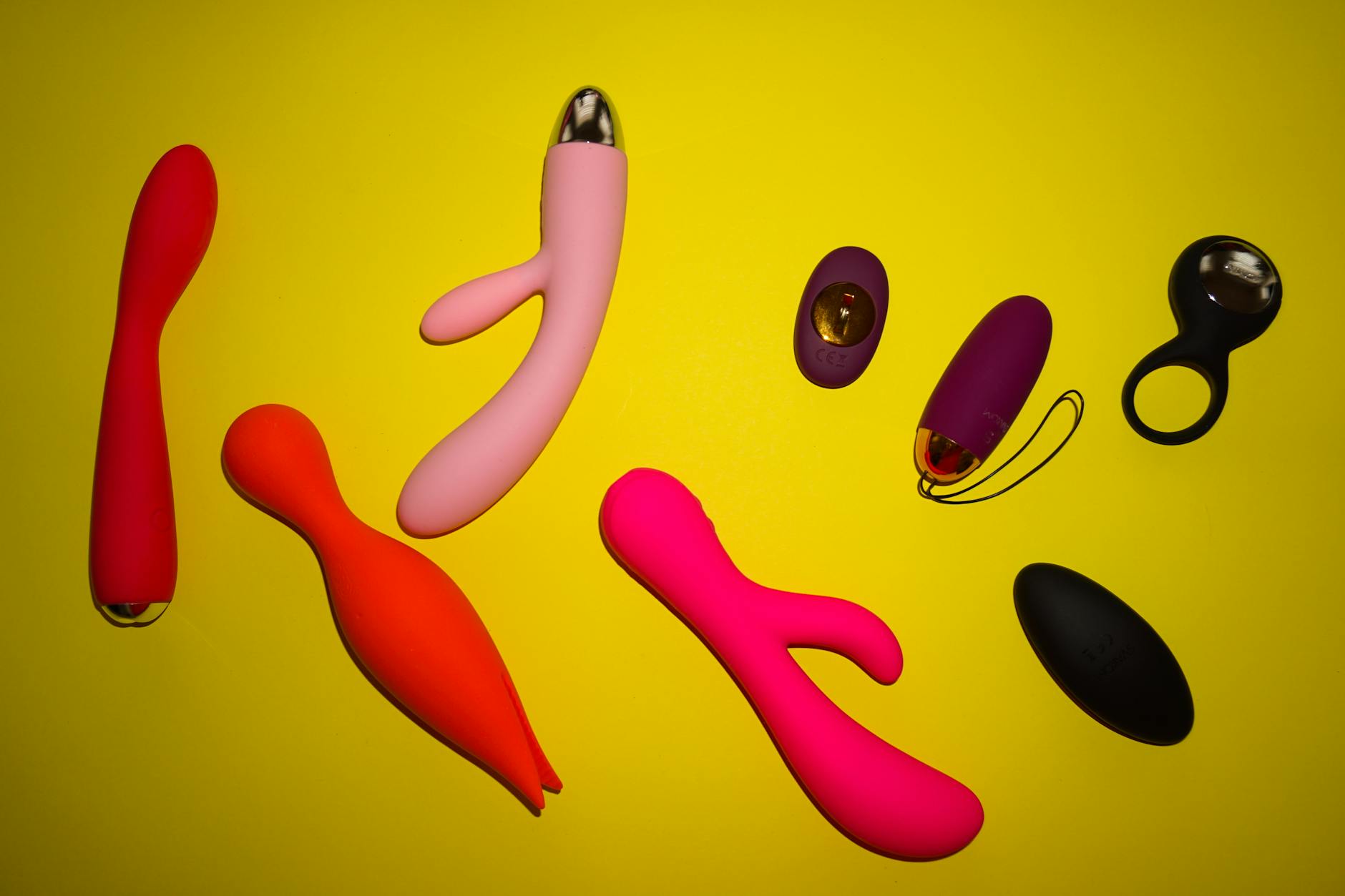
Here's the thing about hormonal IUDs and sensation
You get an IUD inserted because you want reliable contraception. Then, three weeks in, you notice that the same clitoral vibrator that used to feel amazing feels suddenly unpredictable. Sometimes it works. Sometimes your body doesn't respond the way it used to. Sometimes orgasms feel muted or take longer to reach.
You're not imagining it, and you're not broken. A hormonal IUD is releasing progestin directly into your system, and even though the dose is lower than the pill, it's creating a sustained, localized hormone environment that fundamentally changes how your nervous system reads pleasure.
How a hormonal IUD is different from other birth control
Pills and patches deliver hormones systemically, flooding your whole body. A hormonal IUD like the Mirena, Skyla, or Kyleena releases progestin locally into the uterus and a small amount into your bloodstream. This means the hormone level is lower overall, which is why many people feel fewer side effects than on the pill.
But here's what nobody tells you: localized progestin still changes clitoral sensitivity, arousal speed, and orgasm quality. The effect tends to be quieter and more variable than with pills, which is partly why so many people don't connect the dots between their IUD insertion and their changing pleasure patterns.
Progestin affects your nervous system in three specific ways. First, it can lower dopamine availability, which directly impacts desire and the sense of reward when you climax. Second, it thickens cervical mucus and can create a subtle sense of reduced genital fullness, which some people interpret as reduced sensation. Third, it shifts blood flow patterns slightly, which changes how quickly arousal builds and how intense the physical response feels.
Why your lemon vibrator might feel different now
If you were using a lemon clitoral vibrator before your IUD and noticed a shift afterward, several things could be happening at once.
The sensation you're feeling is real, but it's not about the device. A lemon vibrator uses suction technology to stimulate nerve endings without direct friction. That means it works brilliantly when your nervous system is primed and responsive. Progestin can dull that priming phase. Your body might need longer to warm up, or the suction sensation might feel less distinct against a background of reduced overall sensation.
Arousal takes longer. Before your IUD, you might have been ready to go in 5-10 minutes. Now you need 15-25. That's partly hormonal and partly mechanical. Progestin-releasing IUDs create a slightly drier genital environment in some people, which means arousal fluid builds more slowly.
Orgasm intensity often shifts downward initially. Not permanently, but in the first three to six months after insertion. This is because progestin is still settling into your system, and dopamine hasn't yet recalibrated to the new baseline. Orgasms might feel less explosive or take more stimulation to reach.
The good news: you adapt. Your nervous system recalibrates within a few months in most cases.
What the first three months usually look like
Week 1-2. Cramping is real, sensation is confused, everything feels weird. This isn't about the hormone yet. Your uterus is telling your nervous system it's been invaded, which dominates everything else.
Week 3-4. Cramping settles. You start noticing that pleasure feels duller or takes more effort. This is when progestin hits peak novelty.
Month 2. Some people find sensation starts coming back. Others report it staying muted. This variation is normal. Your body is building new baseline dopamine levels.
Month 3. Most people report that either sensation has returned to normal or they've adapted and figured out what works now. Some report that their pleasure actually feels clearer because progestin has reduced anxiety around fertility.
The timeline varies wildly. I've had clients whose sensation returned in weeks and others who took five months. That's not a failure. That's your nervous system doing its job.
How to use a lemon vibrator during the adjustment period
First, don't panic and throw it away. You might come back to it, and your body deserves the chance to figure this out.
Extend your warm-up time. Budget 20-30 minutes instead of 10-15. Use your hands, your partner's hands, or a gentler toy first. Get your arousal going before you bring in the lemon vibrator.
Start on a lower intensity setting. If your Hello Nancy lemon vibrator has pattern options, begin on pattern 1 or 2 instead of jumping to your old favorite setting. Your sensitized nerve endings need to reorient.
Use more lubrication. Progestin can create a dryer environment. Water-based lubricant isn't a failure. It's a tool that lets sensation happen despite a changed hormonal backdrop.
Try different positions or angles. Sometimes the angle you loved before doesn't work anymore because arousal builds differently. Experiment without judgment.
Consider whether you want to keep using it solo or wait for your body to adjust first. Some people find that partnered touch during the adjustment period helps reactivate sensation faster. Others need solo time to figure out what the new normal feels like.
The dopamine piece that matters
Here's something that surprised a lot of my clients when I explained it. Progestin doesn't prevent orgasm. It makes dopamine a bit harder to access. Dopamine is the neurotransmitter that creates desire, that makes pleasure feel rewarding, and that gives orgasms their subjective intensity.
A lemon vibrator is an excellent tool for dopamine activation because the sensation is novel and focused. But if your dopamine baseline is lowered by progestin, you might not feel that activation as dramatically.
This usually resolves on its own as your body settles. But if it doesn't after five or six months, or if you're feeling genuinely flat in other areas of your life too, talk to your prescriber. Some IUDs work better for some people than others.
When to consider a different device
Some people find that during the adjustment period, a different tool feels better temporarily. If your lemon clitoral vibrator feels muted, a wand vibrator that delivers more direct stimulation might bridge the gap until you recalibrate. Or you might find that the suction approach works better once you add more lubrication.
There's no shame in switching tools while your body adjusts. But don't throw away something that worked before. Chances are it will work again.
The six-month conversation
If you're six months post-insertion and your lemon vibrator still feels disappointing, that's worth asking your doctor about. It's not normal for sensation to stay dramatically reduced that long. It might mean your IUD isn't the right fit, or it might mean something else is going on. Low libido after IUD insertion is real, and it's worth investigating with someone who knows your full picture.
One more thing about pleasure and hormones
Your IUD is doing exactly what it's supposed to do. And your pleasure matters too. These aren't in conflict. Adjusting to a new contraceptive method is a real transition, and it deserves patience and practical support. A lemon vibrator is just one tool in your toolkit. If it needs to sit on the shelf for three months while you figure things out, that's completely fine.
Your body knows how to recalibrate. Sometimes it just needs a little time, a little grace, and the right information.
People also ask
How long does it take for sensation to come back after an IUD insertion?
Most people report noticeable improvement in arousal and sensation by month three, with full recalibration by month six. Some people feel better much faster, within two to four weeks. If sensation is still significantly muted after six months, talk to your doctor. It might mean your IUD isn't the right choice for your body, or something else is affecting your nervous system.
Can I use my lemon vibrator right after getting an IUD inserted?
Wait at least two weeks. Your uterus needs time to settle, and your cervix needs to close around the threads. Penetration and direct stimulation during that time can cause cramping and increase infection risk. After two weeks, gentle exploration is fine, but don't be shocked if everything feels different. That's normal.
Do hormonal IUDs affect all people's pleasure equally?
No. Some people notice no change in sensation at all. Others report significant shifts. This depends on your baseline dopamine sensitivity, whether progestin affects you differently than estrogen did, your pelvic floor tension, and a dozen other individual factors. If your friends had no pleasure changes with their IUDs, that doesn't predict your experience.
Is it normal for orgasms to feel weaker with a hormonal IUD?
Yes, at least initially. Progestin lowers dopamine slightly, and dopamine is what makes orgasms feel subjectively intense and rewarding. This usually improves as your body adapts. If it doesn't, or if the change feels really severe, ask your prescriber about switching to a different IUD type or contraception altogether. Your pleasure is worth optimizing.
What if my lemon clitoral vibrator worked fine, but now I can't orgasm with my partner?
That might not be about the IUD at all. Pleasure with a partner depends on connection, arousal cues from another person, and emotional safety. If the device still works solo but partnered sex feels different, there could be other factors at play. A conversation with your partner about what you need might be more helpful than a mechanical fix.
Can switching from the pill to an IUD change sensation permanently?
Rarely. Most people's sensation recalibrates within three to six months. If it doesn't, that might indicate the IUD isn't right for you, or it might reveal something about your individual hormone sensitivity. But the plasticity of your nervous system is remarkable. Give it time before assuming anything is permanent.