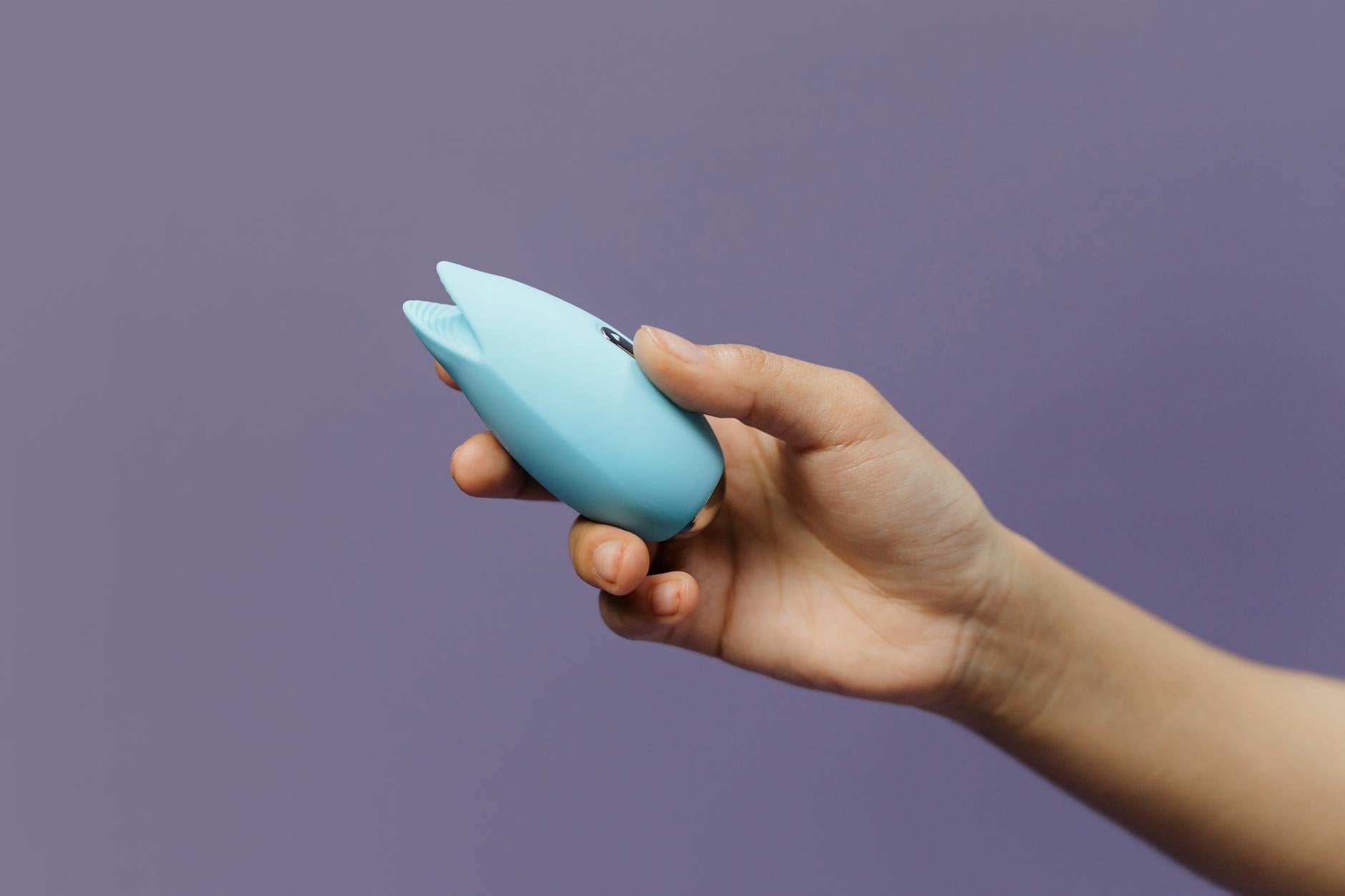
Why Lemon Vibrators Feel Different After Starting Birth Control
Let's be real. You started birth control for one reason, and something else shifted that nobody warned you about. Your pleasure changed. Maybe your lemon vibrator feels different. Maybe orgasms take longer. Maybe you're reaching for it less often because the whole circuit feels muted.
You're not imagining it. Hormonal birth control rewires arousal from the ground up. And if you're using a lemon clitoral vibrator or any other device, you'll absolutely notice the shift.
What hormonal birth control actually does to desire
Most birth control works by suppressing ovulation. To do that, it floods your system with synthetic estrogen, progestin, or both. This stops your pituitary gland from signaling your ovaries. Sounds straightforward. But here's what nobody tells you: your brain didn't evolve to run on this particular hormone cocktail. The effects ripple far beyond contraception.
Testosterone drops. This is the big one. People often think testosterone is a male hormone. It's not. Women produce it in their ovaries and adrenal glands, and it's one of the primary drivers of sexual desire in everyone. Hormonal birth control doesn't eliminate testosterone, but it can reduce it by 20-40 percent depending on the formulation. That drop registers immediately in the brain's desire centers.
Some forms hit harder than others. The pill and the patch tend to suppress testosterone more aggressively than IUDs or the implant. Progestin-only methods fall somewhere in between. If you switched forms recently, that's likely why everything feels different.
Why your lemon vibrator might feel less responsive
When desire drops, so does arousal speed. Arousal isn't just a feeling. It's a physiological cascade. Blood flows to the genitals, the clitoris swells, tissue becomes more sensitive, lubrication increases. This whole sequence is primed by testosterone and other hormones.
On hormonal birth control, this chain reaction takes longer to trigger. You might pick up your lemon clitoral vibrator expecting the quick escalation you're used to, and instead find it takes 15 or 20 minutes to build the same intensity. Some people notice the vibrations themselves feel less intense. Others say their clitoris feels less responsive or numb.
This isn't permanent nerve damage. It's hormonal suppression of the signaling that makes sensation feel acute. The nerves are fine. The receptors are fine. The wiring is just running on a different fuel.
The sensation shift isn't the same for everyone
Here's where it gets tricky. Not everyone experiences pleasure the same way on hormonal birth control. Some people adjust within a month or two. Some never fully adapt and eventually switch methods. Some actually feel better, freed from hormonal cycling and fertility anxiety.
The ones who struggle most are usually those with naturally lower baseline testosterone or those switching from a lower-dose method to a higher-dose one. If you were on a progestin-only option and switched to a combination pill, expect noticeable change. If you went from no hormones to any hormones, the shift is often dramatic in the first three months.
Lubrication often decreases too, especially with progestin-dominant formulations. Your lemon sucker or any clitoral vibrator works best with natural lubrication. If that's drying up, even the best device in the world feels less responsive.
How to adapt your practice with lemon vibrators
First, don't assume the device is the problem. Your lemon clitoral vibrator hasn't changed. You have. That distinction matters because it means the solution isn't buying a new toy, it's adjusting your approach.
Budget more warm-up time. If you used to need five minutes of foreplay, try ten. If you're solo, start by reading erotica or watching something that turns you on before you even reach for your vibrator. Your brain is now the bottleneck. Work upstream.
Use a water-based lubricant. This is non-negotiable on hormonal birth control. Even if you never needed it before, your cervical mucus isn't cycling the way it used to. Lubrication doesn't come automatically. A good water-based lube makes your lemon vibrator feel more responsive and reduces friction that might feel uncomfortable.
Try lower intensities for longer. The Hello Nancy Lem and other lemon clitoral vibrators typically have multiple settings. Instead of jumping to level four or five, start at two and stay there for several minutes. Let sensation build gradually. Some people find that extended lower-intensity stimulation produces better orgasms than the quick, high-intensity approach they used before birth control.
Consider the rhythm, not just the strength. Some people find that switching patterns feels more novel and engaging when sensation itself has dulled. If your lem vibrator has pattern options, experiment. The novelty can matter more than raw intensity right now.
When to talk to your doctor
If pleasure loss is bothering you and you're only a few months in, wait. The first three months of hormonal birth control are often the hardest, and many people stabilize. But if you're six months in and still feeling muted, that's a conversation worth having.
Your options include switching to a different formulation (lower-dose pill, or a non-hormonal method like a copper IUD). You could also ask about adding a low-dose testosterone cream. Some doctors are hesitant, but it's available and can significantly restore desire for the right person. The key is finding a provider who takes pleasure seriously, not as an afterthought.
If dryness is the main issue, topical estrogen creams can help without affecting systemic hormone levels. They're often used for vaginal atrophy in menopause, but they work just as well here.
The emotional layer that amplifies everything
Here's something medical literature rarely mentions: the psychological hit of losing desire can actually suppress it further. You notice your lemon vibrator feels different, you wonder if something's wrong with you, that anxiety tanks arousal even more. You stop reaching for it because you've learned to expect disappointment.
This is where the real spiral happens. It's not the hormones alone anymore. It's hormones plus anticipatory anxiety plus a bit of grief for how your body used to feel.
If that's where you are, talk to a partner if you have one. Name what's happening. "My birth control is changing how I experience pleasure, and I need to figure this out together" is not a sexy conversation, but it's the foundation for getting back to something sexy. If you're solo, give yourself permission to experiment without the pressure of orgasm as the endpoint. Exploration mode, not performance mode.
And honestly? Consider whether this particular birth control is worth it for you. Contraception is important, and so is pleasure. You don't have to choose between them. The right method is the one that works for your whole life, not just your reproductive health.
FAQ
How long does it take to adjust to birth control and orgasms?
Most people stabilize within three months. Some never fully adjust and choose to switch methods. A few months is a fair trial period. If you're at six months and still struggling, that's a sign to explore alternatives rather than push through indefinitely.
Will my lemon clitoral vibrator work better if I use it at different times in my cycle?
On hormonal birth control, your cycle is effectively suppressed. There's no fluctuation the way there is off hormones. That said, some people feel slightly more responsive in the week of placebo pills when hormone levels drop briefly. Tracking when you feel most responsive can help, but expect it to be less pronounced than off-hormones.
Is it normal to lose interest in sex toys after starting birth control?
Completely normal. Desire and sensation both decrease for many people, which makes reaching for a toy feel pointless. That said, lemon vibrators and other clitoral stimulators often work better than partnered sex in this phase because they provide direct, reliable stimulation that doesn't depend on your body cooperating emotionally. Sometimes the device becomes even more important.
Can I use my lemon sucker on a higher setting to compensate for reduced sensation?
You can, but it's not usually the answer. High-intensity stimulation on already-sensitive tissue can cause irritation or numbness. Better to extend your warm-up time and give sensation time to build. Intensity is a poor substitute for arousal.
Does switching between different birth control methods help?
Yes, sometimes. Lower-dose pills affect testosterone less than standard ones. Progestin-only methods hit differently than combination pills. Copper IUDs don't suppress hormones at all. If pleasure loss is significant and persistent, asking your doctor about alternatives is absolutely reasonable. What works for pregnancy prevention should also work for your life.
Will my pleasure come back if I stop birth control?
Most people see desire and sensation return within a few weeks to months of stopping hormonal contraception. That said, some people discover the pleasure change had nothing to do with the hormones and everything to do with relationship dynamics, anxiety, or other factors that birth control masked. Give yourself a few months to settle before assuming it'll all bounce back automatically.