Here's what nobody tells you about pleasure after pelvic surgery
You've cleared the six-week mark. Your doctor said everything healed well. But the idea of reaching for your old vibrator feels wrong. Maybe it feels too intense. Maybe you're worried it'll hurt. Maybe you just don't recognize your own body yet. And here's the thing nobody actually explains: your body is right to feel different. The tissue is different. The nerve endings have been through something. And standard vibrators, the ones that worked great before surgery, might not be the right tool anymore.
That's where lemon vibrators change the game. They work differently than traditional vibrators. Not harder or faster, but through a completely different mechanism. That difference matters more than you'd think when you're in the recovery window.
How traditional vibrators stress healing tissue
Most vibrators work through oscillation. They buzz back and forth at high speed. That kind of direct, repetitive friction is great for getting results when tissue is robust. But post-surgical tissue isn't robust. It's thinner, more sensitive to pressure, and more prone to irritation. The vibration itself can feel overwhelming. Some people describe it as painful. Others say it feels numb. Both reactions make sense physiologically.
When you've had hysterectomy, fibroid removal, endometriosis excision, or any pelvic surgery, the tissue in your vulva and surrounding areas has been disrupted. Even when the surgery didn't directly touch that tissue, the inflammation and hormonal changes ripple through the whole pelvic region. Your vagina might be producing less lubrication. The clitoris might feel tender. Your pelvic floor muscles are probably tighter than they were before because your body is protecting itself.
Adding high-frequency vibration to that scenario is like asking someone with a fresh sunburn to sit in the sun again.
Why clitoral suction changes the equation
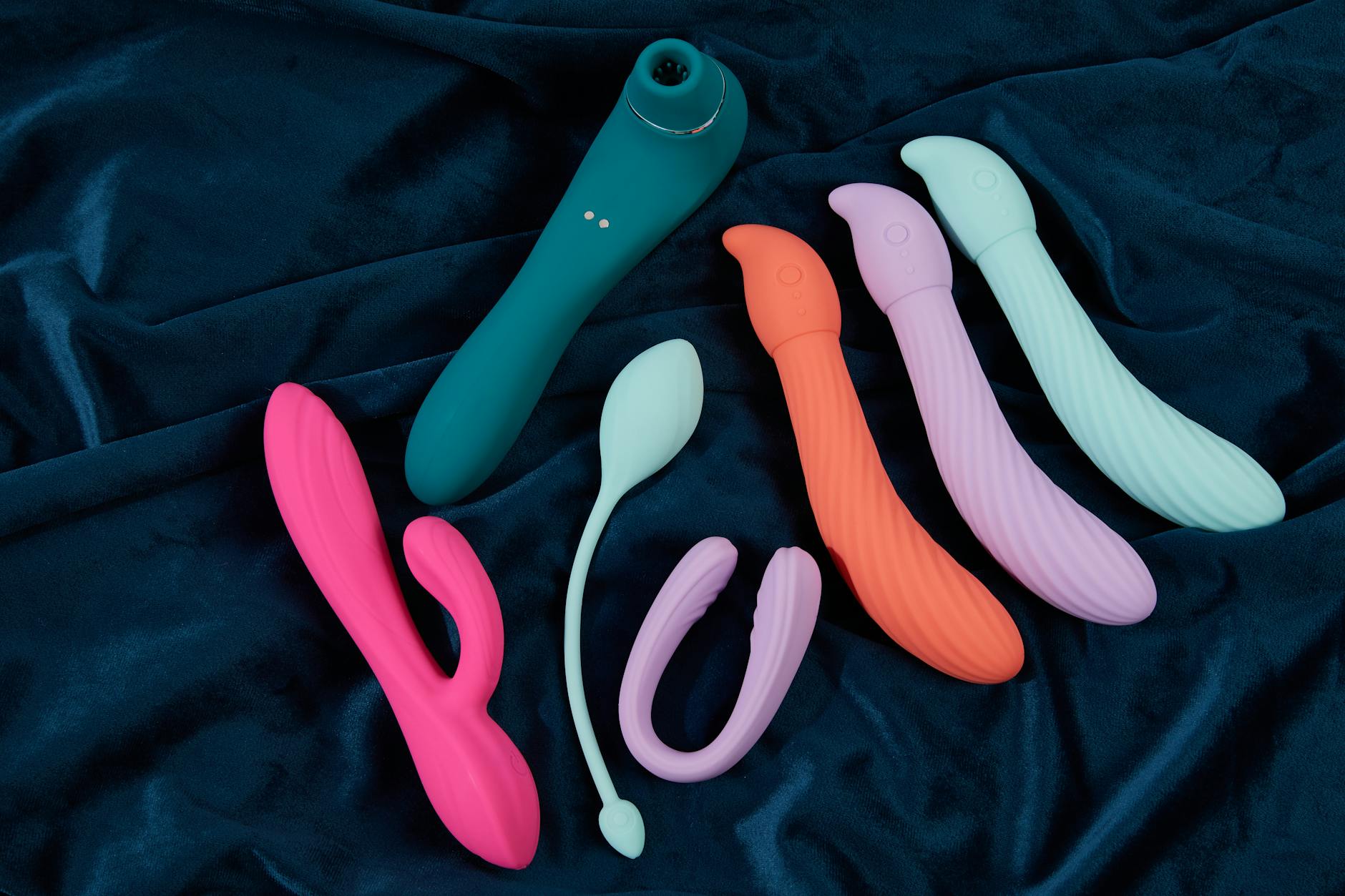
Lem vibrators and other lemon clitoral vibrators work through gentle suction. Instead of pounding your tissue with vibrations, they create a soft rhythmic pressure that gradually draws blood to the clitoris. There's no harsh mechanical friction. There's no numbing buzz. There's just steady, pulsing pressure that feels more like a massage than a machine.
This matters for recovery in three specific ways.
First, suction stimulates without abrading. You're not rubbing sensitive tissue. You're creating a microclimate of increased blood flow and nerve activation. That's arousal without the damage.
Second, the sensation registers as pleasure more quickly than vibration does on freshly healed tissue. People coming back from surgery often find that traditional vibrators feel like static. Lemon vibrators feel like something. The difference in sensation actually makes it easier for your brain to engage rather than protect.
Third, you can modulate intensity much more carefully. The Lem has multiple intensity levels. You can start at level one (barely noticeable) and work up as your tissue tolerates it. There's no sudden jolt. There's no overstimulation before you know what's happening.
The first six months post-surgery matter more than you think
This window is about permission, not pressure. Your nervous system is recalibrating. Your pelvic floor is relearning how to relax. Your brain is figuring out whether pleasure is safe again.
If you jump straight back to your old tools and they hurt, you're encoding a message in your nervous system that's hard to undo. Your body starts protecting itself even harder. Arousal takes longer. Orgasm becomes elusive. You end up rebuilding from a place of anxiety instead of curiosity.
But if you choose a tool that feels genuinely good without forcing your tissue, you're telling your nervous system the opposite. Pleasure is safe. Your body responds appropriately. Recovery accelerates.
Practical tips for using lemon vibrators during post-surgical recovery
Start with lubrication, always. Post-surgical tissue and lower estrogen mean less natural lubrication. Water-based lube isn't optional. It's foundational. Use more than you think you need.
Begin at the lowest setting and stay there for at least a week. You're not optimizing for orgasm right now. You're teaching your body that touch feels good again. Speed up only when level one stops feeling novel. That might take two weeks or two months. There's no timeline you need to beat.
Set a timer for 10 minutes maximum. Your tissue needs breaks. Overuse can cause irritation or delayed soreness. Short, consistent sessions are better than marathon sessions. Think of it like physical therapy for pleasure.
Notice what your body tells you. Mild tingle or warmth is good. Soreness, burning, or that numb