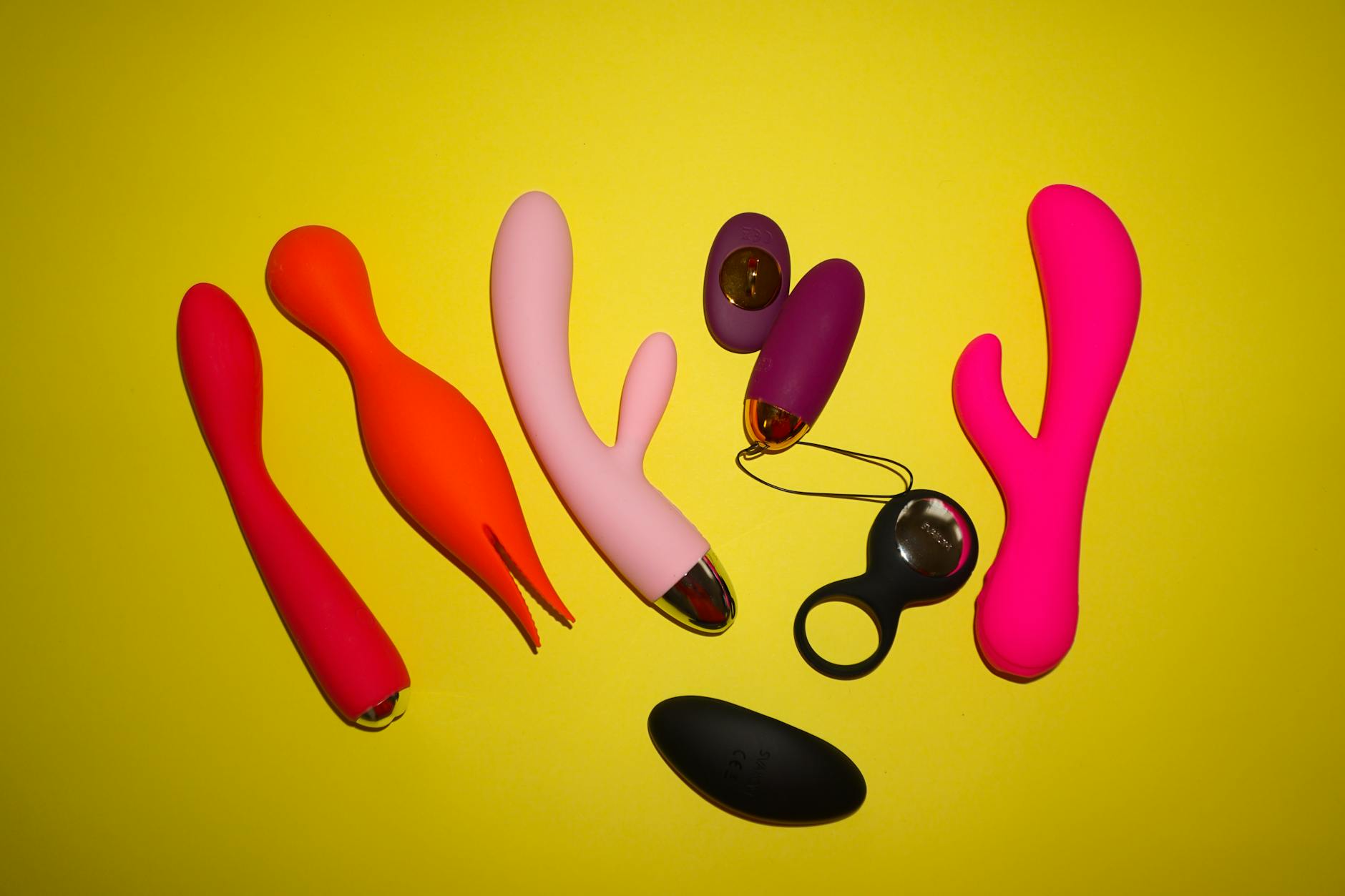
Why That Lemon Vibrator Feels Different Now
Let's be real: if you've been using a lemon clitoral vibrator for years and suddenly it feels... different, you're not losing your touch. Your body is just sending a different message.
The shift usually starts sometime in your late 30s or early 40s. An orgasm that used to arrive in waves now comes in sharper peaks. Or it takes longer. Or the sensation is less about the full-body release and more about a concentrated, almost meditative intensity. Some people report their orgasms feel deeper now, concentrated rather than dispersed. Others find them more elusive, requiring different patterns or longer warm-up time.
None of these changes mean your lemon sucker or lemon vibrator has stopped working. It means your nervous system is evolving.
What's Actually Happening Hormonally
Progesterone and estrogen levels start the slow climb down in your late 30s. This is well before menopause. This phase, called perimenopause, can last a decade or more. Your ovaries are still doing their job, but inconsistently. Some months your hormones look like they're in their 20s. Other months, they behave like you're 55.
That unpredictability ripples through everything. Your pelvic floor muscles become more sensitive to hormonal fluctuation. Tissue thickness changes slightly, which changes how vibration feels against nerve endings. Dopamine and oxytocin production shift. The way your clitoris engorges during arousal alters just enough that the same rhythm on your lemon vibrator that worked beautifully at 28 might now feel off.
Here's what I tell my clients: imagine your favorite song on a speaker you've owned for 15 years. You didn't change the song. The speaker didn't break. But the room got different acoustics.
The Intensity Question
Many women report that orgasms feel less intense after 40. That's partly true. The sustained contraction pattern during orgasm often becomes shorter and less frequent. The vaginal and pelvic floor muscles aren't contracting with the same force. That's hormonal.
But here's the counterintuitive part: a lemon clitoral vibrator's suction-based stimulation often increases in effectiveness during this phase. Why? Because air-suction devices like the Lem don't rely on friction or rapid vibration patterns to work. They stimulate through gentle, consistent pressure and release cycles. That matches what your body actually wants during perimenopause and beyond.
I've had countless clients tell me their most satisfying orgasms came after 42. Not because the orgasm felt "intense" in the old way. But because it felt complete. Focused. Sometimes longer. Sometimes you can have multiple in quick succession now when you couldn't before.
Why the Plateau Phase Might Be Longer
One of the most common complaints I hear: "It takes forever now."
Your body needs more time to reach full arousal. This is partly hormonal and partly neurological. The neural pathways that fire during sexual response slow down slightly. Blood flow to the vulva takes longer to build. Your pelvic floor muscles need more time to relax into the state where they're responsive rather than defensive.
Your lemon vibrator isn't less powerful. Your arousal machinery is just shifting gears more slowly.
Here's what helps: budget differently. A 5-minute warm-up used to be enough. Now plan for 15 to 20 minutes of exploration before you're truly ready. This is not a loss. This is an expansion. Many people discover they actually prefer the longer runway. It feels less urgent, more present.
The Role of Psychological Factors
Hormones are only part of the story, and honestly, not even the biggest part.
By 40, you've got 20+ years of information about what your body can do. You're less likely to perform arousal. You're less tolerant of partners who don't pay attention. You're more aware that you deserve pleasure, not just orgasm. Your expectations have shifted. That changes everything.
I see this all the time in my practice: a woman in her early 40s returns to solo pleasure after years of partnered sex and reports that her orgasms feel "different but richer." Is that hormonal? Partially. But it's also permission. The mental load has dropped. You're not managing anyone else's experience. Your attention is fully on sensation.
With a lemon clitoral vibrator, this matters even more than it did with manual stimulation. The device becomes almost meditative. The suction pattern doesn't require your active participation. You can drop into pure sensation in a way that faster, friction-based vibration sometimes doesn't allow.
Sensation Mapping Has Shifted
This one surprises people. The clitoris doesn't change structurally after 40. But your relationship to its different zones changes.
You might discover that the outer areas are more responsive now than the glans. Or the reverse. Or you suddenly prefer patterns you never cared about before. The Lem's variable intensity settings become less about "finding the right speed" and more about "finding where your sensitivity lives right now."
Your body is becoming a different instrument. The lemon vibrator isn't. This is why women sometimes switch toys in their 40s, not because their old toy failed, but because exploring new sensations becomes a more active, intentional practice.
When Hormonal Shifts Become a Real Problem
If you're experiencing pain during stimulation, that's not a normal part of aging. Genitourinary syndrome of menopause is real and treatable. Topical estrogen creams can rebuild tissue thickness and elasticity in weeks. Talk to your GP.
If desire has tanked completely and isn't coming back, that's worth investigating too. Sometimes it's a hormonal issue that testosterone therapy could help. Sometimes it's a relationship issue. Sometimes it's depression or medication side effects. A menopause-informed doctor can help sort it.
But if your lemon vibrator still feels good, just different, you're probably just experiencing the normal evolution of your sexual response. That's not a problem to solve. It's information to work with.
Building Pleasure Practices for Your 40s
Your body after 40 responds better to consistency than intensity. This is one reason why the suction-based lemon clitoral vibrators like the Lem work so well during this phase. They're designed for sustained, rhythmic stimulation rather than overwhelming force.
Create space for pleasure to be slow. Let foreplay extend. Notice what actually feels good right now, not what felt good five years ago. Permission matters more than technique.
If you have a partner, this is the phase where you actually become more sexually compatible if you both lean into communication. Because the performance pressure drops and the presence possibility opens up. That's not a consolation prize. That's actually better.
The Longer Arc
Your orgasms after 40 aren't diminished. They're different. Difference is not degradation. Your lemon vibrator isn't the problem. Your hormones aren't a tragedy. Your body is doing exactly what it's supposed to do.
What matters is paying attention instead of assuming. Notice what feels good now. Adjust accordingly. Give yourself the time and attention you deserve. Your best sexual years aren't behind you. They're happening right now, and you're finally old enough to actually enjoy them.
FAQ: Lemon Vibrators and Orgasms After 40
Why does my lemon clitoral vibrator feel less intense than it used to?
Hormonal shifts lower estrogen and testosterone production, which changes how sensitive your nerve endings are and how quickly your pelvic floor muscles contract during orgasm. The device itself hasn't changed, but your body's response has. This is normal. Many people find that switching from fast vibration patterns to the sustained suction of a lemon vibrator actually feels more satisfying, even if it's not the intensity high they used to chase.
Can I still have multiple orgasms with a lem vibrator after 40?
Absolutely. In fact, many people report that multiple orgasms become easier after 40 because the pressure to perform a single explosive orgasm lifts. The recovery time between orgasms often shortens. The suction-based stimulation of a lemon clitoral vibrator is particularly well-suited to sustained exploration because it doesn't fatigue the tissue the way rapid vibration can.
How long should warm-up take with a lemon vibrator at this age?
Plan for 15 to 25 minutes instead of the 5 to 10 you might have needed before. Your arousal system needs more time to fully activate. This isn't a decline in your capacity. It's a shift in your rhythm. Many people find this longer runway actually feels better because there's more time to relax and drop into sensation.
Does lubrication matter more with a lemon vibrator after 40?
Not more than before, but it matters differently. Tissue thickness does decrease slightly with lower estrogen, so lube can make the sensation feel smoother and less abrasive. Water-based lubricant works best with silicone toys. Use it generously, especially if you're noticing that direct suction feels uncomfortable or too intense.
Should I try a different lemon vibrator if mine feels different now?
Not necessarily. If your current lemon sucker still feels good, stick with it. But this is also a perfect time to experiment. Some people discover they prefer lower intensity settings than they did before. Others switch from direct clitoral stimulation to the broader sensation of a wand or suction device. How to use a lemon clitoral vibrator for beginners covers different approaches if you want to explore new techniques with your existing toy.
Is there anything medically wrong if my orgasms feel different after 40?
No. Changing orgasm sensation is a normal part of midlife hormonal shifts. What's not normal is pain, complete loss of sensation, or desire that's disappeared entirely and isn't returning. Those are worth talking to a doctor about. But orgasms that feel different in shape, duration, or intensity? That's just your body evolving. Why lemon vibrators work better for sensitive vulvas digs into how to adapt your stimulation as your body changes.
Can HRT change how my lemon vibrator feels?
Yes. Hormone replacement therapy can shift your arousal response, tissue sensitivity, and orgasm sensation. If you're considering HRT or are already on it, your sexual response may change noticeably. It's worth checking in with yourself after a few weeks on a new dose. You might find that the settings or patterns that work for you need adjustment.
Your pleasure after 40 isn't dimming. It's deepening. Your lemon vibrator is still an excellent tool for exploring what that means for your body right now.