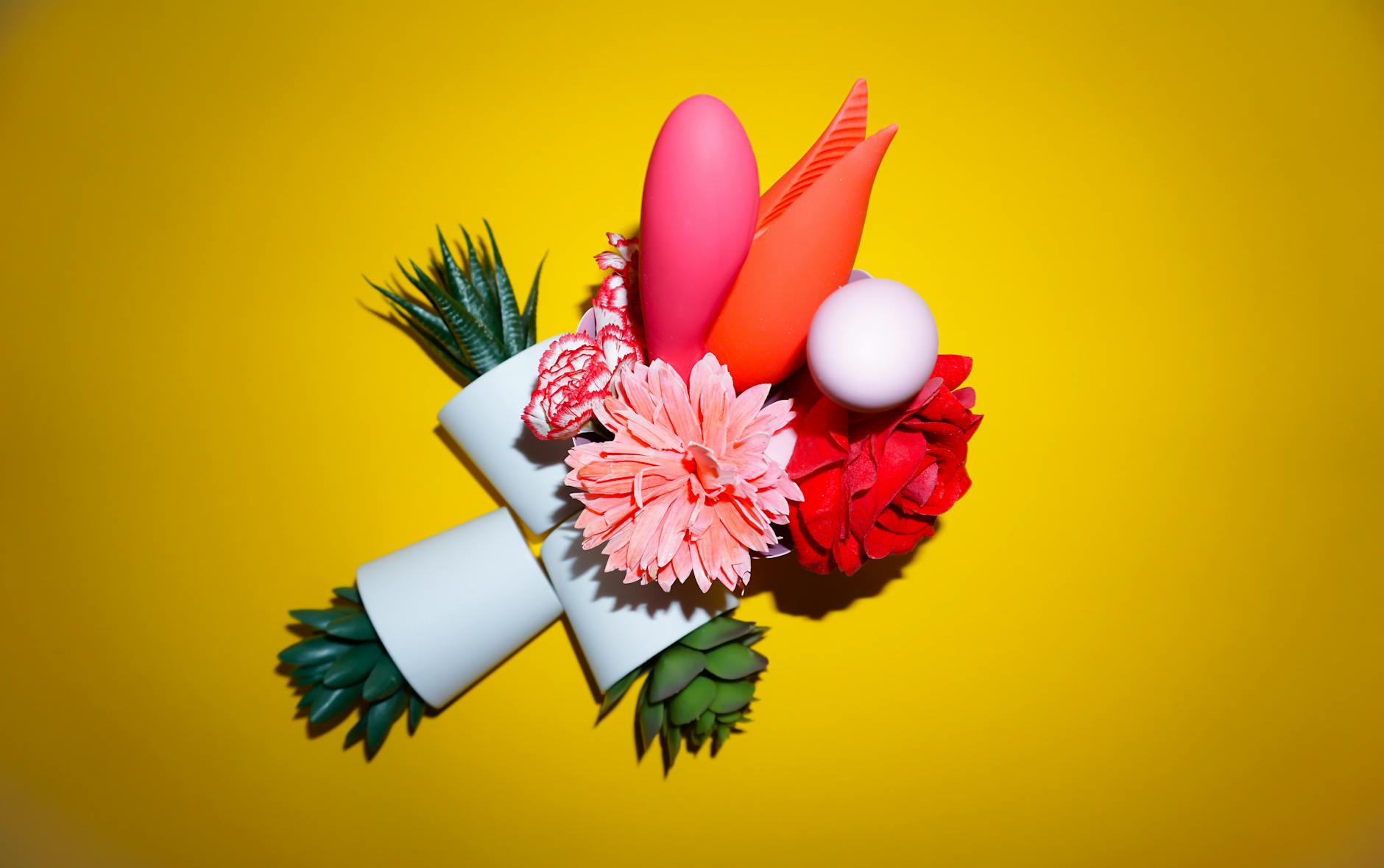
Here's the thing nobody warns you about
You buy a lemon vibrator. The first time you use it, your nervous system lights up. The sensation feels electric, almost overwhelming in the best way. Then you use it again. And again. By week three or four, you're turning up the intensity, chasing that original spark. By month two, you're wondering if your toy is broken or if something's wrong with you. Spoiler: it's neither. Your brain is just doing its job.
This is called sensory adaptation, and it happens to everyone. It's not a sign that you need a stronger toy or that your pleasure is permanently dimmed. It's your nervous system's brilliant but inconvenient ability to tune out repeated stimulation. Understanding what's happening makes it fixable.
The neuroscience of habituation
Your nervous system evolved to notice novelty. A sudden sound in the dark? Your brain fires. The same refrigerator hum running all day? Your brain stops registering it by hour two. This mechanism kept our ancestors alive. It also means that pleasure, like everything else your body experiences, gets familiar.
When you first use a lemon vibrator, the air-suction sensation triggers a cascade of neural activity. Your receptors are firing. Your dopamine response is strong. The novelty itself is part of the pleasure. But here's what happens next: your nervous system learns that this sensation is safe and recurring. It downregulates its response. The same physical stimulus produces a smaller neural signal. The toy hasn't changed. Your sensitivity to it has.
This is why the second orgasm often feels less intense than the first, even minutes apart. Your body is literally becoming less reactive to the exact same input.
Why suction adaptation is more noticeable
Air-suction toys like Hello Nancy's lemon vibrators create a unique pattern of stimulation. The rhythmic pulsing combined with the seal and release feels dramatically different from traditional vibration. This distinctive sensation, while amazing initially, can make habituation more apparent.
With a standard vibrator, you might not notice the dulling because the sensation isn't as locked in. With suction, the specificity of the feeling makes the fade more obvious. You know exactly what you're missing because you remember exactly what you had.
This doesn't mean lemon clitoral vibrators cause more adaptation than other toys. It means the adaptation is more noticeable because the original sensation is so precise.
The time factor: when does fading typically start
For most people, noticeable adaptation begins between week two and week four of regular use. This varies wildly based on frequency, arousal level, and individual neurology. Someone using a toy daily might notice the shift faster than someone using it twice a week.
But here's the nuance: the first sensation fade isn't permanent. Your nervous system isn't broken. You're not losing the ability to feel. You're just in a phase where the stimulus has become routine.
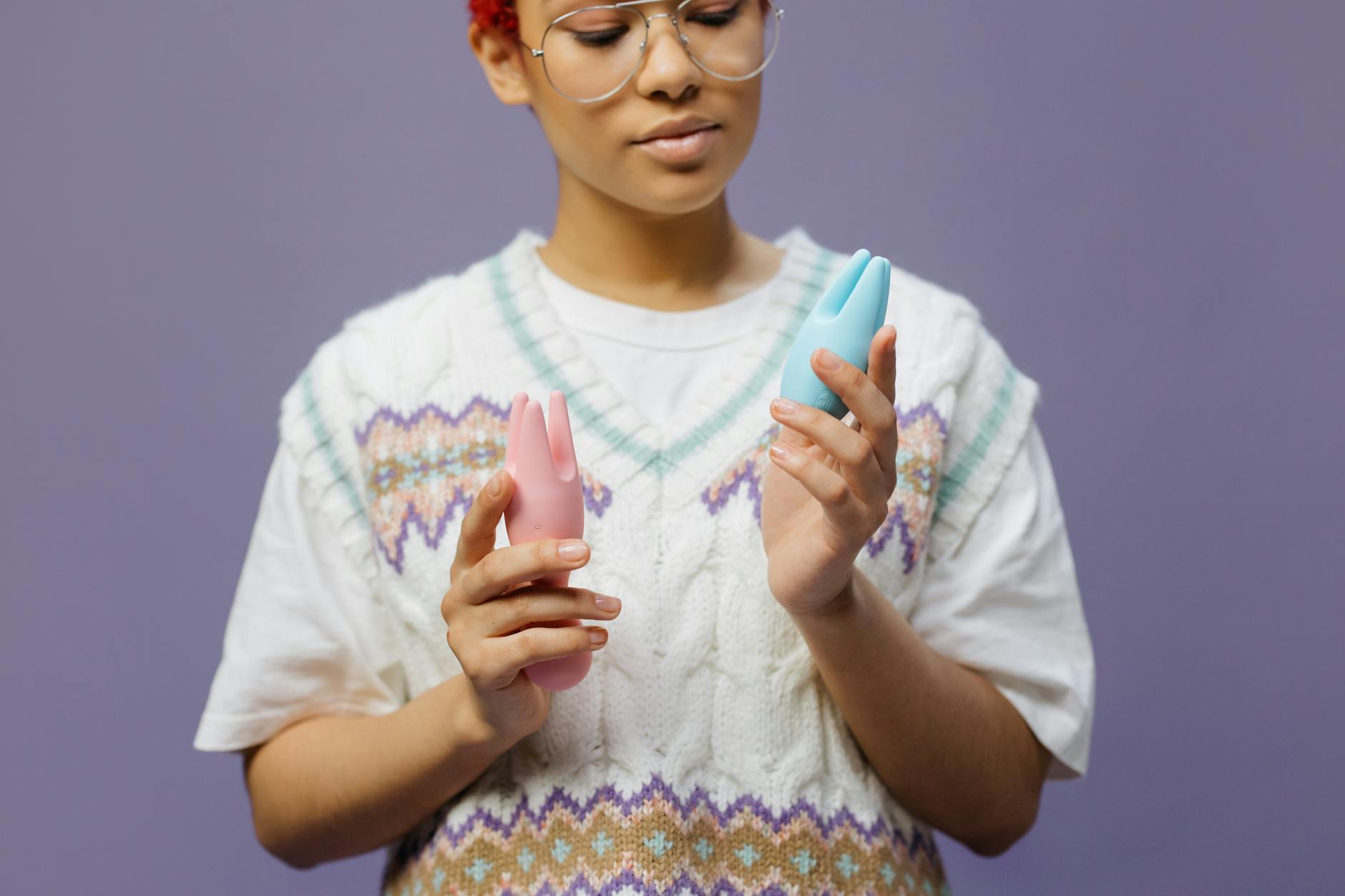
Photo by cottonbro studio on Pexels
The reset strategies that actually work
If you're experiencing adaptation with your lemon vibrator, you have options. None of them involve buying a new toy.
The break method. Stop using the toy for 7-14 days. This sounds counterintuitive when you're craving that pleasure, but it works. Your nervous system resets its baseline. When you return to your lemon vibrator, the sensation comes back strong. One week of pause often restores most of the original intensity.
The pattern switch. If you usually start with the suction function, switch to pulse. If you use pattern 3, go back to pattern 1. Small variations force your nervous system to re-engage. The stimulus is technically similar but neurologically novel. Many users find that alternating patterns throughout the week prevents deep adaptation.
The context shift. Use your lemon clitoral vibrator in a different setting. Different room, different time of day, partnered instead of solo. Your brain encodes pleasure in context. A change of scenery can trigger a freshness response. This isn't psychology only. Your nervous system genuinely responds differently to the same stimulus in new environments.
The arousal amplification. Adaptation is more noticeable when baseline arousal is lower. If you're using your toy while distracted or not fully engaged, the sensation flattens faster. Invest more time in arousal before introducing the lemon vibrator. Warm-up longer. Build anticipation. The higher your arousal level when you use the toy, the stronger the sensation will feel and the slower adaptation will occur.
The duo approach. Alternate between two different toys. Use your lemon vibrator one session, then switch to a different sensation the next. This prevents any single stimulus from becoming routine. Your nervous system stays engaged because it's never sure what's coming next.
Why you shouldn't just chase higher intensity
The temptation when adaptation happens is to increase intensity. More power, more aggressive patterns. This is how people end up with desensitized tissue and a diminished pleasure response that takes months to recover.
Intensity escalation can also lead to nerve compression or temporary numbness in the vulva. That's not adaptation. That's damage. And while it usually reverses, it takes weeks to a few months.
Adaptation is a signal to rotate, reset, or rest. Not to amplify.
The role of hormones and health in adaptation
Some people adapt faster than others, and lifestyle factors matter. Stress increases adaptation speed because your nervous system is already in overdrive. Sleep deprivation does the same. If you're burning the candle at both ends, your body downregulates pleasure responses faster as a conservation mechanism.
Hormones also play a role. Where you are in your cycle affects baseline sensitivity. Some people experience slower adaptation during the follicular phase and faster adaptation during the luteal phase, simply due to estrogen and progesterone fluctuations. Tracking this can help you anticipate adaptation cycles rather than be surprised by them.
If you recently started new medications, birth control, or supplements, those can influence how quickly adaptation happens too. It's worth noting if your timeline shifted.
How sensation feels different on return
One more thing worth knowing: when you come back to your lemon vibrator after a break, the sensation might feel slightly different than you remember. Stronger in some ways, subtly altered in others. This is normal. Your nervous system has reset its baseline, so the sensation genuinely registers differently. Not worse, just recalibrated.
Many users describe the post-break experience as almost like using the toy for the first time again. That initial excitement and intensity return. It's one of the reasons the break method works so reliably.
Prevention over panic
If you want to minimize adaptation before it becomes noticeable, start with these habits. Use your lemon vibrator three to four times per week rather than daily. Rotate patterns and functions within sessions. Take a planned break every four to six weeks, even if you're not noticing fading yet. Change up your routine. The more unpredictable your pleasure ritual, the harder it is for your nervous system to habituate.
Think of it like listening to your favorite song on repeat. Hear it once a day and it stays exciting. Hear it 47 times in a row and you'll need a break before it lands again. Same stimulus, but repetition changes everything.
FAQ
Is sensory adaptation a sign my lemon vibrator is broken?
No. Sensory adaptation is a sign your nervous system is working exactly as designed. The toy itself isn't degrading. Your sensitivity to it is normalizing. If you take a break and the sensation returns, your toy is fine.
How long does it take to reset sensation after a break?
Most people see significant improvement within 7-14 days. Noticeable sensation often returns within the first session back. Full restoration to that "first time" intensity typically takes 2-3 uses.
Can I prevent adaptation entirely?
No, but you can slow it dramatically. Unpredictability is your best tool. Vary frequency, patterns, context, and arousal level. Mix rest with use. Your nervous system will stay engaged longer when it's not sure what's coming.
Does adaptation happen faster with suction toys like the Lem?
Adaptation speed is individual, but the specificity of air-suction sensation does make the fade more noticeable. The stimulus is so distinctive that your brain registers the change more clearly than it might with traditional vibration. It's not faster adaptation. It's more obvious adaptation.
Should I increase intensity when sensation fades?
Not immediately. Try pattern rotation, breaks, and context shifts first. Intensity escalation is the last resort because it can lead to desensitization that takes much longer to recover from. When you do eventually increase intensity, do it gradually.
Is there a "sweet spot" for lemon vibrator use frequency?
For most people, three to four times weekly with planned breaks every 4-6 weeks maintains strong sensation without triggering deep adaptation. But this is individual. Some people use daily with minimal fading because they rotate patterns obsessively. Others notice change at twice-weekly use. Pay attention to your own timeline.
The bottom line
Sensory adaptation isn't a flaw in your neurobiology. It's a feature. Your nervous system is protecting itself from overstimulation by tuning out the familiar. Understanding this changes everything. Instead of thinking your lemon clitoral vibrator is failing you, you can work with your body's natural response patterns. Rotate. Rest. Vary your approach. Your pleasure capacity hasn't diminished. It's just waiting to be approached differently.
If you have questions about resets, patterns, or adapting your routine, reach out at /contact and let's talk through what's working for you.