The thing nobody says out loud
You want clitoral stimulation. Your partner wants penetration. This isn't a preference mismatch. This is biology, and it shows up in almost every relationship at some point. The tension isn't a failure of love or attraction. It's the gap between what feels good for each body, and that gap is real.
Most couples handle this by sacrificing someone's pleasure or pretending the mismatch doesn't matter. Neither works. What actually works is tools, timing, and a conversation that doesn't happen under pressure. This is where lemon vibrators, specifically air suction clitoral devices like the Lem, change the entire dynamic.
Why penetration alone doesn't equal orgasm for most people
Here's the data nobody buries: roughly 65-75% of people with vulvas don't orgasm from penetration alone. This isn't because something is wrong with them or their partner. It's because the clitoris sits where penetration can't reliably reach it. Penetration stimulates the vaginal walls and the internal clitoral legs. It feels good. But it's not the same as direct clitoral stimulation, and the body knows the difference.
Your partner probably wants penetration because it feels intimate, because it's how they learned to have sex, or simply because it's what their body craves. Both of these are legitimate. The problem is that "you inside me" and "clitoral stimulation" have traditionally been positioned as either/or. They're not. They're and/both.
What a lemon vibrator adds to shared penetration
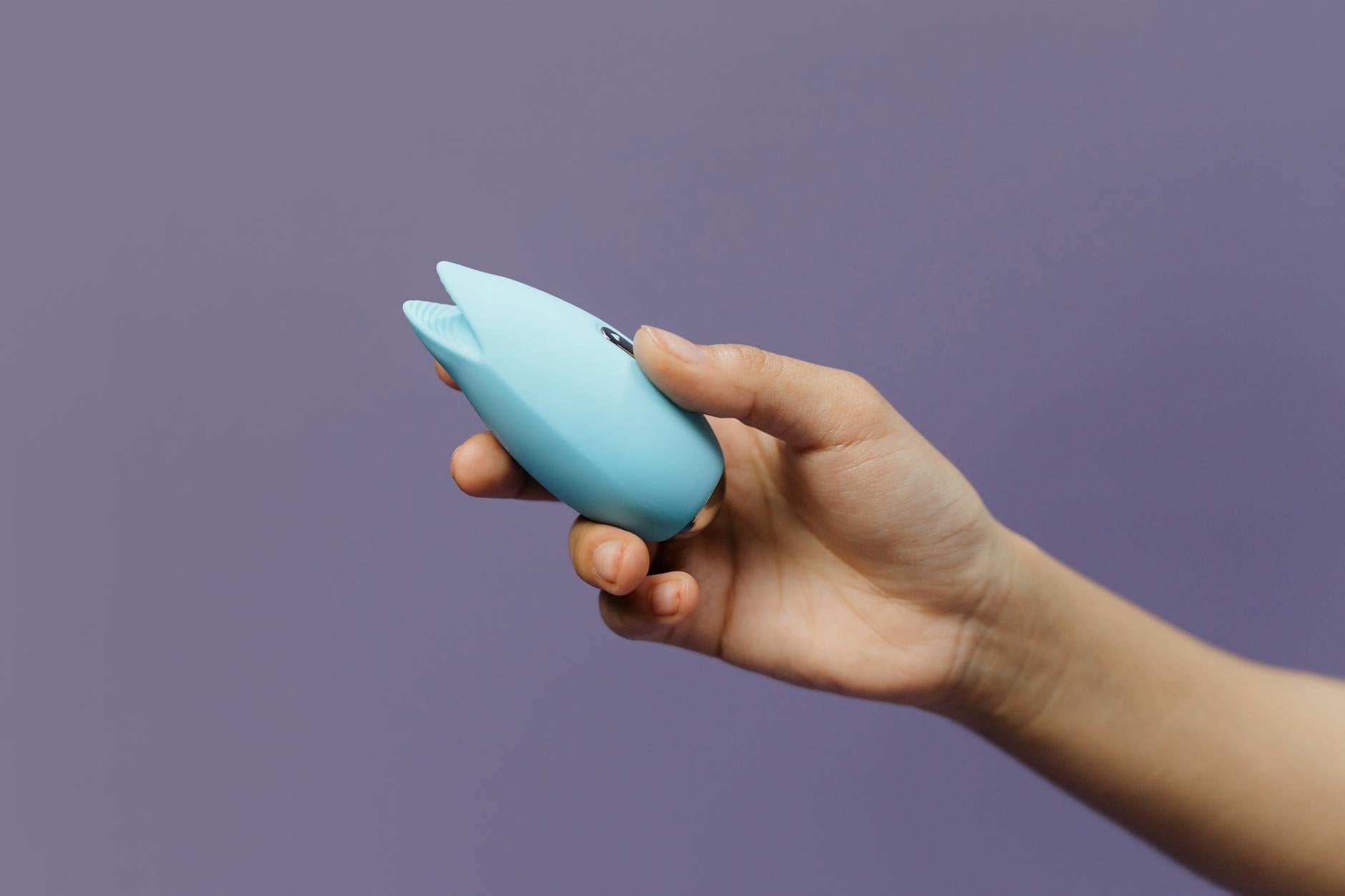
A lemon clitoral vibrator like the Lem uses air suction stimulation. This is different from traditional vibration. Instead of buzzing against the clitoris, it creates a gentle suction and release pattern that feels like oral sex. The intensity is adjustable, and the sensation is consistent.
When your partner is inside you, you can use a lemon vibrator on your clitoris simultaneously. This isn't a workaround. It's the most direct route to pleasure for most bodies. The penetration satisfies your partner's need for that kind of intimacy. The clitoral vibrator gets you to where orgasm is actually possible. You both win.
Many couples I work with report that this shift alone changes their entire experience of sex together. Pleasure isn't a zero-sum game anymore. Both people's bodies get what they need.
The setup that actually works
Timing and positioning matter here, so let's be specific.
Before you start: Charge your lemon vibrator fully. Have it within arm's reach. Use a water-based lubricant. Decide together which position works best for this. Some couples find that positions where you're facing each other make it easier for you to hold the vibrator. Others prefer positions where your partner can hold it for you, freeing your hands.
During penetration: Start with your partner inside you. Let arousal build for a few minutes. Then introduce the lemon vibrator on the lowest setting. You're not trying to orgasm immediately. You're integrating the sensation. Let your body adjust to both sensations happening at once.
Many people find that the combination of internal and external stimulation builds arousal much faster than either alone. Orgasm, when it comes, often feels more intense because the entire genital region is engaged.
If you finish first: Some people do. Some don't. If you orgasm before your partner and they want to continue, there are options. You can keep the vibrator running on a lower setting (the sensation often feels more delicate post-orgasm). You can pause and let them continue without it. You can use your hands instead. There's no script here. Communicate what feels right in the moment.
The conversation you need to have first
Honestly, the tool matters less than the talk. Using a lemon vibrator during penetration only works if you've both explicitly agreed that this is something you want. And agreement isn't just "okay, sure." It's a real conversation.
Here's what I tell couples: frame this around shared pleasure, not deficit. Don't lead with "I can't orgasm from penetration." Lead with "I want us to find a way for both of our bodies to feel good at the same time." This reframes the conversation from problem-solving to exploration.
Ask your partner if they're open to trying this. Listen to what they say back. Sometimes partners worry that a vibrator means they're not enough. That's a real concern. Validate it. Explain that a lemon clitoral vibrator is an addition to what you do together, not a replacement.
If your partner is hesitant, slow down. You don't have to convince them. But you also don't have to sacrifice your pleasure. These are two separate truths.
When using a lemon vibrator solo first helps
If you're new to air suction clitoral stimulation, use a lemon vibrator on your own first. Spend time with it. Learn your own response. Know which settings feel best, how long it takes for your body to build arousal, what the sensations are like at different intensities.
This isn't selfish. This is essential information. You can't guide your partner through something if you don't know how it works for your own body. Plus, self-knowledge is confidence, and confidence in shared pleasure is hot.
When you bring this information into partnered sex, you're not figuring it out together in the moment. You already know. You can say "I like it on setting two" or "I need a few minutes before intensity" with certainty.
Managing different arousal speeds
One of the real dynamics here is that clitoral stimulation often gets someone to arousal faster than penetration alone gets their partner. A lemon vibrator can actually synchronize this.
If your partner takes longer to fully engage, you can spend the first few minutes with the vibrator bringing your own arousal up. By the time your partner is ready, you're both closer to the same level. This reduces pressure on both of you to perform at different speeds.
If you're the one who takes longer, the vibrator does the heavy lifting. You're not waiting for penetration to do something it can't reliably do. You're using a tool designed for your body's needs.
What to avoid
Don't use a lemon vibrator as a solution to relationship problems. If your partner is resentful about needing one, or if you're frustrated because they won't use one, the vibrator isn't the real issue. The real issue is communication or desire mismatch or something deeper. Address that first, or work with a couples counselor if it's persistent.
Don't assume your partner wants to use the vibrator during sex if they haven't said so. Ask. Some partners enjoy holding it for you. Some feel self-conscious. Some just want the simplicity of penetration without adding variables. All of that's okay.
Don't ignore pain or discomfort. If using a vibrator during penetration causes pain (not just unusual sensation, but actual pain), stop. Talk to a pelvic floor therapist or gynecologist. Something might need adjustment.
The pleasure shift that happens after
When couples find a way to integrate both clitoral stimulation and penetration successfully, something changes. Sex stops feeling like a negotiation and starts feeling like collaboration. You're not trying to meet in the middle and both settling for less. You're both getting what your bodies actually need.
I see this shift in clients repeatedly. The vibrator is the tool, but the real change is psychological. Pleasure isn't a fight. It's shared. Your orgasm matters. Your partner's arousal matters. And they can happen together.
That's not a small thing. For many couples, it's the difference between sex feeling obligatory and sex feeling like something you both actually want.
FAQ
Can I use a lemon clitoral vibrator during any type of penetration?
Most yes, but position matters. Positions where your clitoris is accessible work best. Positions where you're face-to-face, side-by-side, or in reverse angles usually give you or your partner clear access. Some positions, like deep penetrative angles, might make it awkward. That's fine. You're finding what works for your bodies, not forcing a formula.
What if my partner feels insecure about the vibrator?
This is common, and it's worth taking seriously. The insecurity often comes from a misunderstanding about what the vibrator means. Clarify: it means you want to orgasm. It doesn't mean your partner isn't enough. The vibrator is technology. Your partner is your person. They're not competing. If the insecurity persists, couples therapy can help you both work through what's underneath it.
Will a lemon vibrator numb my clitoris if I use it a lot?
No. Air suction devices like the Lem don't cause numbness the way some people worry about vibrators. The sensation is different from traditional vibration. That said, if you notice reduced sensation over weeks or months, take a break. Use your fingers instead. Sensation variation is healthy.
Can I use a lemon vibrator if I have a latex allergy or sensitive skin?
Lem vibrators are typically made from silicone or similar body-safe materials. Check the product materials for anything you're allergic to. If you have very sensitive skin, always use water-based lubricant. If you experience irritation, stop and consult a dermatologist or gynecologist.
How do I know if my partner is actually comfortable with this?
Ask directly. "I'm interested in using a clitoral vibrator during sex. How do you feel about that?" Watch for their actual answer, not just whether they say yes. A hesitant yes isn't consent. A "let me think about it" is fair. A "no thanks" is also valid. Keep the conversation open. Comfort can change.
What if we try it and it feels weird or awkward?
That's normal. New things feel weird at first. Your bodies are adjusting to a new sensation, a new dynamic, new sensations all at once. Give it two or three tries before deciding it's not for you. Sometimes the awkwardness fades once you're both past the first-time jitters.
The real dynamic
Lemon vibrators aren't a fix-all. But when you and your partner have different pleasure needs, they're often the clearest answer. The alternative is ongoing compromise, and compromise in pleasure means both people end up dissatisfied.
A tool that lets you both get what you actually want? That's not a compromise. That's a solution. And solutions feel like freedom.
If you're navigating these conversations with your partner and they feel stuck, I'm here to help. Reach out and let's talk.