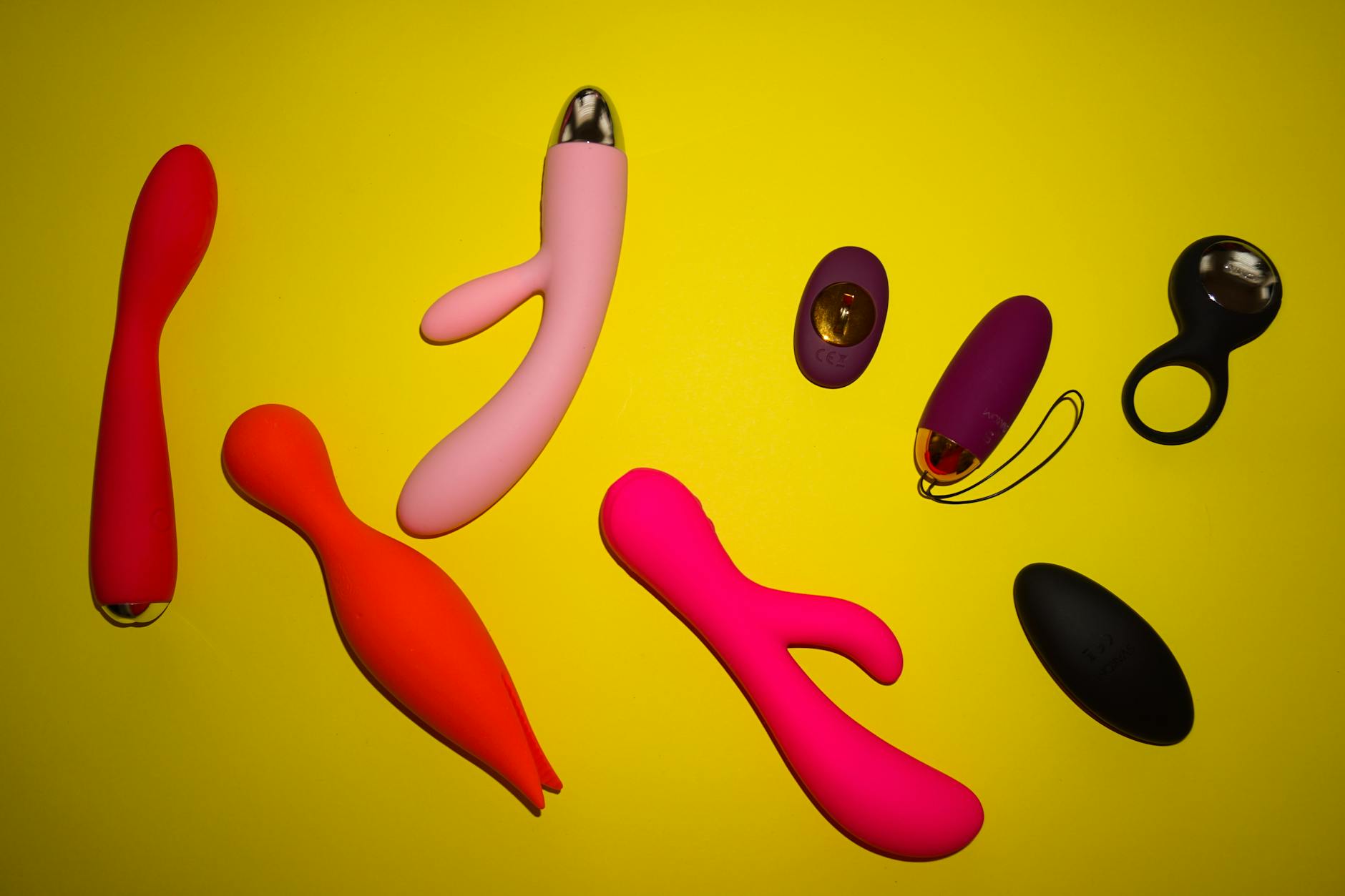
Here's what nobody tells you about pacing
Most of the conversation around pleasure focuses on intensity. Harder, faster, stronger. But honestly? Some of the most satisfying sessions happen when you're deliberately slowing things down. When you're building arousal in layers instead of chasing a single peak.
Lemon vibrators, particularly the suction-based design, are uniquely good at this because they work with your body's natural rhythm rather than overwhelming it. You control the pattern and intensity, which means you control the pace.
Why slowing down actually matters
There are about five legitimate reasons people want to extend arousal instead of rushing through it.
You're learning your body for the first time. Whether you're exploring solo pleasure for the first time or rediscovering sensation after years, slow arousal lets you feel exactly what's happening at each stage. You notice when desire starts, what patterns feel good, where tension builds.
You want to sync with a partner's rhythm. If your partner needs 20 minutes to get going and you're done in five, slowing your response helps you stay together instead of constantly waiting for each other. This is especially true if you're reconnecting with your partner after years apart.
Extended arousal feels better. Physiologically, the longer your arousal phase, the more blood flow to genital tissue, the more engorged everything gets, the more intense the eventual sensation. Slower builds often lead to stronger orgasms, not weaker ones.
You're managing anxiety or dissociation. If racing to climax is a nervous habit or a trauma response, deliberately slowing down can help you stay present in your body instead of treating orgasm like a finish line to cross.
You just want to sit with pleasure without an endpoint. Some sessions don't need to lead anywhere. Sometimes the point is just to feel good for 30 minutes without pressure to finish.
The setup that makes slow arousal actually work
Three things first.
Time and space matter more than you think. Tell your partner you need 45 minutes alone, not 15. Your brain knows the difference. Close the door. Phone on silent. Not because this is sacred (though it can be), but because your nervous system needs safety to actually slow down.
Temperature shifts help. A warm shower or bath before you start relaxes the pelvic floor and signals to your brain that this isn't a rush. Cold water does the opposite, which is fine if you want intensity, but not if you want to linger.
Start without the toy. Spend the first five to ten minutes touching yourself, breathing, noticing where sensation lives. Your hands are slower and more varied than any device. Let arousal actually begin before you introduce a lemon vibrator.
How to use a lemon clitoral vibrator for extended play
Start at pattern 1 or 2. Not pattern 3. The lower settings on devices like the Lem vibrator feel almost gentle against the clitoris. You're not looking for the most stimulation right away. You're looking for the minimum stimulation that registers as pleasant.
Spend 5-8 minutes on the lowest setting. Just feel it. Let your nervous system adjust. Some people report that this early phase is where they notice they're genuinely aroused instead of just going through the motions.
Move the device slightly rather than staying in one spot. Small circles, tiny side-to-side motions. Consistent pressure in one exact location creates habit and numbness over time. Micro-movements keep sensation fresh.
Use breathing intentionally. Slow in through your nose for four counts, out through your mouth for six. This isn't a yoga cliché. It actually slows your heart rate and keeps you in parasympathetic mode instead of ramping into sympathetic (fight-or-flight) arousal.
After 8-10 minutes, if you want to move up to pattern 3, do it. Spend another 8-10 minutes there. Let each phase build. You're not racing to finish. You're giving each plateau room to deepen.
The counterintuitive part: resistance builds desire
Here's something that surprises people. If you stop stimulation for 30 seconds right when you feel like you're building toward something, and then start again, the sensation feels more intense when you resume, not less.
This isn't cruelty to yourself. It's how your nervous system works. Breaking stimulation briefly creates contrast, which your body experiences as heightened sensation when the stimulation returns.
Try it: spend 10 minutes building with your lemon vibrator on pattern 2. When you feel like you're getting close to arousal peak, turn it off for 30 seconds. Just breathe. Notice what you're feeling. Then turn it back on. Most people report the sensation feels noticeably sharper and more pleasurable.
You're not denying yourself anything. You're actually making the experience richer.
When you feel yourself speeding up
Your body will try to rush you. Especially if you have a habit of finishing quickly, your nervous system wants to default to that pattern. You'll notice the urge to turn up the intensity, to chase the peak faster.
This is the moment to pause instead. Turn the vibrator off. Breathe into your belly, not your chest. Feel your feet on the ground. You're not stopping the session. You're resetting the pace.
Take 20-30 seconds. Then resume at a lower pattern than you were using. You're essentially saying to your body, "We're going slow today. This is safe. We have time."
The more you practice this reset, the more your nervous system learns that slow arousal is sustainable. It's not a threat. It's not a failure. It's just a different speed.
Solo versus partnered slow-play
If you're doing this alone, you have total control. You set the pace, you take breaks, you explore without performance pressure.
If a partner is involved, communication shifts everything. Tell them explicitly: "I'm practicing slowing down today. I might need you to be patient if I pause or take breaks." If they're using the lemon vibrator on you, they need to understand they're not chasing your orgasm. They're creating an experience.
This is where that emotional intimacy piece becomes crucial. Slow arousal requires trust that you won't be rushed, judged for taking time, or made to feel like your body is on a deadline.
What to expect over time
The first time you slow things down intentionally, it might feel weird or frustrating. Your body's default pattern wants to take over. Stick with it.
By the third or fourth session, your nervous system starts to recalibrate. You notice you can sustain arousal for longer without exhaustion. Sensations feel more nuanced. Pleasure isn't a point you're chasing. It's a state you're inhabiting.
After consistent practice, many people report that their faster sessions feel more intense now too. Slowing down doesn't weaken your capacity for quick pleasure. It expands your range.
FAQ
Is it normal for arousal to take longer with a toy than without one?
Completely normal. Toys are external. Your hands have nerve endings and skin-to-skin contact that a device doesn't. When you introduce a vibrator, your brain has to recalibrate what sensation means. Some people find this takes a few minutes of adjustment. Spending time at low intensities helps your body catch up to the new input.
What if I can't slow down no matter how hard I try?
That's usually a sign your nervous system is in fight-or-flight mode. Anxiety, stress, or habit. Try practicing slow arousal at a time when you're already calm, not when you're wound up. Some people find that slowing down is easier in the morning or early afternoon than late at night when cortisol is high. Also consider whether there's underlying anxiety about pleasure itself that's making you rush through it.
Can I slow down if I'm using a partner vibrator with my partner?
Absolutely. In fact, partner toys can make slow play easier because you're not responsible for holding the device. You can focus entirely on breathing, sensation, and staying present. Just make sure your partner knows they're going slow too. This isn't about them pleasuring you quickly. It's about both of you building something together.
Do I need a specific toy to practice slow arousal?
No. Any clitoral vibrator works. That said, lemon vibrators and similar suction-based devices are particularly good at lower-intensity work because they distribute stimulation across a wider area instead of concentrating it in one point. That makes it easier to feel sensations without overwhelm.
What if slow arousal feels boring?
That's usually boredom masquerading as impatience. Give it six sessions before you decide. Your brain is used to a particular rhythm. Changing it takes time. If you genuinely don't enjoy slow play after you've practiced it, that's fine. Not everyone does. But most people find that once their nervous system understands slow is safe, they actually prefer it.
How do I know if I'm doing this "right"?
There's no right way. If you're extending arousal longer than usual, noticing more detail in how your body responds, and feeling present instead of rushing toward a finish line, you're doing it. The goal isn't a specific outcome. It's a different experience.
The bigger picture
Slowing down your arousal isn't about denying yourself anything. It's about giving yourself options. Some days you want quick pleasure. Some days you want to build something slower, richer, more sustained. When you know how to do both, you stop defaulting to one speed out of habit and start choosing based on what actually feels good that day.
That's what control actually means.
If you want support figuring out your own rhythm or understanding what pace feels right for you and your partner, reach out. That's what I'm here for.