Let's be real about the hesitation
One of the most common conversations I have with couples is some version of this: "I want to introduce toys into our sex life, but my partner thinks it means they're not enough." Your partner might feel threatened, emasculated, or genuinely confused about why a vibrator is necessary when they're right there. That reaction isn't stupid. It's actually telling you something useful about what they need to hear.
The block isn't really about the toy. It's about reassurance. And here's what most people get wrong. They try to logic their way through it. They say things like, "It's not about you," or "Studies show that couples who use toys have better sex." Those statements are true. They're also completely useless when someone is feeling insecure.
What hesitation actually means
When a partner resists the idea of introducing vibrators, they're usually expressing one of three things. First, they might think a toy replaces them. Second, they might worry that asking for one signals that something is wrong with the relationship. Third, they might just feel uncomfortable with something outside their usual routine. None of these is the same problem, so treating them like they are will backfire.
Start by asking. Not suggesting. Not proposing. Actually asking: "What's making you uneasy about this?" Then listen without defending or explaining. The goal isn't to convince them they're wrong. The goal is to understand what they actually need.
The reframe that changes everything
Here's the sentence that shifts most conversations: "I want us to explore this together. Not instead of you. With you." That's the difference between a toy that feels like a replacement and one that feels like an invitation.
With lemon clitoral vibrators specifically, the design actually supports that invitation. The lem vibrator's suction pattern doesn't feel like penetrative sex. It feels like a completely different kind of sensation. So when you introduce it, you're not saying, "I want something more like penetration." You're saying, "I want us to experience something we've never tried before." That's collaborative, not critical.
Starting the conversation without pressure
Timing matters. Don't bring this up during sex or right after you've been disappointed about sex. Do it during a calm moment when you're both relaxed and there's no performance pressure. You might say something like: "I've been thinking about how much I love having sex with you, and I'm curious about trying something that might feel different for both of us. I saw this thing called the Lem, and I was wondering if you'd be open to exploring it together."
That opener does three things. It affirms the relationship. It reframes the toy as exploration, not correction. And it asks for their collaboration instead of announcing a decision.
Then pause. Let them respond. Don't fill silence with more selling points. Silence is where real thinking happens.
The show-don't-tell approach
If talking feels too abstract, tangible helps. You could say, "I found this. Can I show you?" Then actually show them. Let them hold it. Explain what it does in simple terms. "It uses suction instead of vibration. So it feels really different from other things." No big deal. No pressure. Just information.
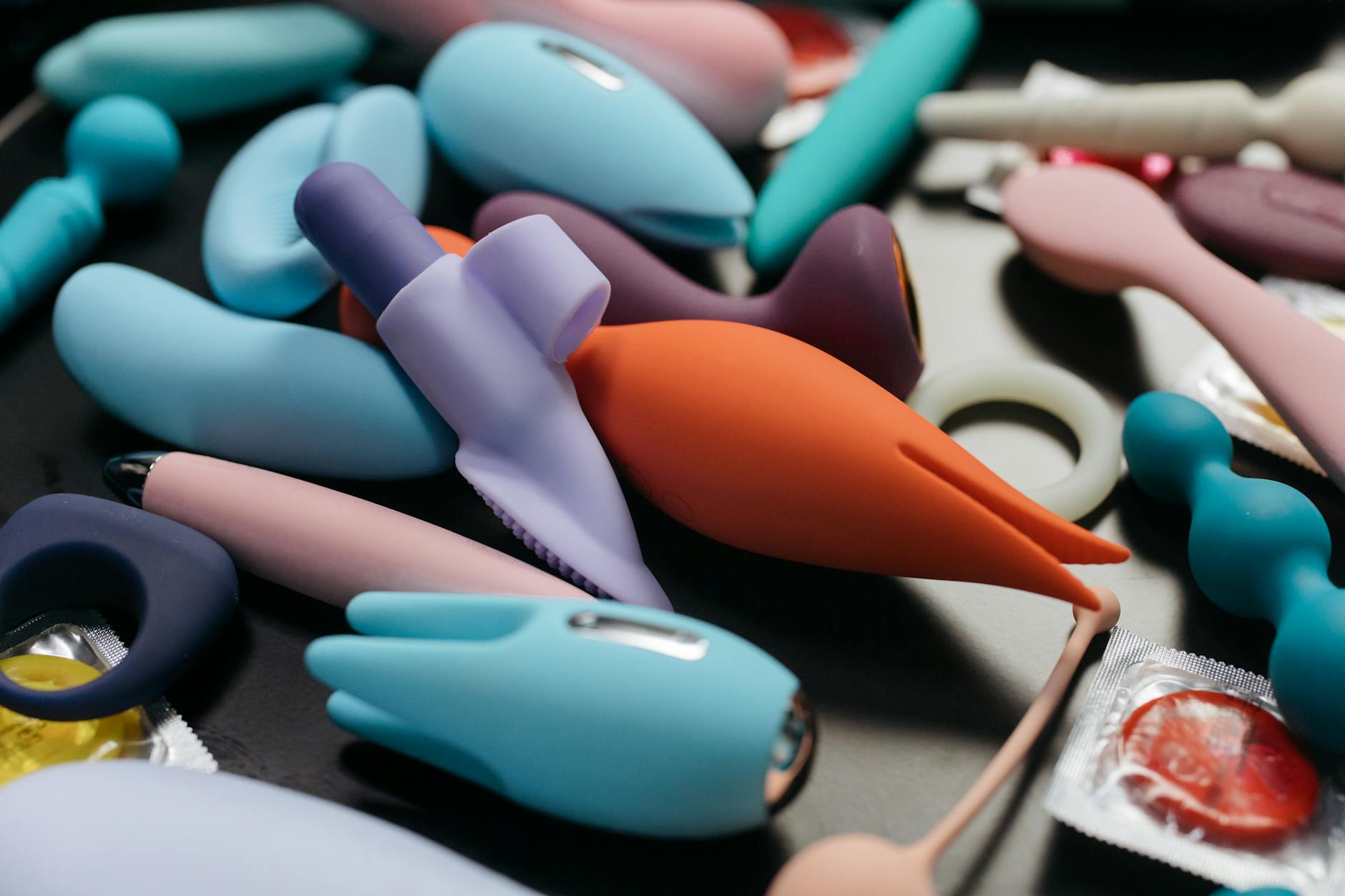
Some partners relax dramatically once they hold the toy and realize it's not some extreme piece of equipment. It's small, it's cute, it's intuitive. The lemon vibrators are designed to feel accessible, not intimidating. That matters when someone is already nervous.
Building buy-in through participation
The second thing that changes hesitation is letting them be part of the decision. "Which color appeals to you?" or "Do you want to watch me try it first, or would you rather we do this together?" Those questions do something subtle. They shift your partner from passive listener to active participant. Participation builds ownership. Ownership softens resistance.
You could also suggest they control it during foreplay. Not on you. Just the device itself. Letting someone hesitant about toys hold the power can reduce their anxiety dramatically. They're not wondering what it does to you anymore. They're watching exactly what happens in real time.
When to bring in the science
Once your partner feels less threatened, some couples find it helpful to talk about the why. Lemon clitoral vibrators work through a different mechanism than traditional vibration. They stimulate a wider nerve network without the same concentrated pressure. This matters for a few reasons. First, it can feel less intense and more sustainable for longer sessions. Second, it often produces a different quality of orgasm than fingers or penetration alone. Third, it gives you both something to talk about as you experiment.
But here's the key: share this after they're curious, not before. Use it as fuel for exploration, not justification for why the toy "should" be there.
The actual first time
Go slow. Not rushed. Set aside time when neither of you is stressed. Make it playful. You might laugh. That's fine. Awkwardness usually dissolves with laughter.
Start with external stimulation. Lots of foreplay first. Let your partner touch and explore you with the toy before using it on you. This reverses the power dynamic a little. Instead of something being done to you, they're doing it with intention.
Talk as you go. "That feels good." "A little softer." "Stay there." The feedback isn't critical. It's directional. It tells your partner they're getting it right.
What happens after the first time
Most hesitant partners soften after seeing that the toy didn't ruin anything. You still want them. The sex didn't become weird or mechanical. If anything, it was more connected because you were both present and curious.
The next conversation is easier. "I really enjoyed that. I'd like to do it again." Or even better: "I enjoyed watching you enjoy it." That's the shift. The toy becomes something that enhanced the experience you already had, not something that replaced it.
When hesitation doesn't budge
Sometimes, even with patience and good communication, a partner stays uncomfortable. That's information too. It might mean they need more time. It might mean they have deeper insecurities about sex that deserve their own attention. It might mean their comfort boundaries are different from yours, and that's legitimate.
If that's where you are, consider whether this is the only place you're misaligned, or if it's part of a bigger pattern. A marriage and family coach can help you both explore what's really underneath the hesitation. Often it's not about the toy at all.
The honest part
You can't make someone want what you want. What you can do is make the invitation clear, remove shame from the request, and give them space to come around. Sometimes they will. Sometimes they won't. Either way, the conversation itself is the work. It's how you both learn what you actually need.
When a partner does become curious, lemon sexual toys and lemon adult toys offer a genuinely low-pressure entry point. They're beautiful, they work differently than standard vibrators, and they feel like collaborative exploration instead of correction. That matters when you're rebuilding trust around pleasure.
Your desire for more connection isn't broken. Neither is your partner's hesitation. The toy is just the conversation starter. Everything else is about showing up together.
People also ask
How do I know if my partner will ever be open to using lemon vibrators?
There's no way to know for certain, but responsiveness usually shows up in small ways. If your partner asks questions instead of shutting down, that's openness. If they ask how you found it or what specifically appeals to you, they're curious. If they agree to just talk about it more, they're considering. True closure ("I'll never be comfortable with this") is less common than temporary hesitation that softens with time.
What if my partner thinks the lem vibrator means I'm not satisfied with them?
That's the core fear, and it deserves a direct response. You could say: "The truth is, I am satisfied with you. What I'm curious about is something different. Like how I might love both red wine and coffee, but they're different experiences. This doesn't replace what we have." Specificity helps. Explain what sensation a lemon clitoral vibrator offers that's distinct from what they provide.
Can I introduce a vibrator without making my partner feel bad about their performance?
Yes, but the timing and framing matter enormously. Never introduce it after disappointing sex or during a moment when performance was already a question. Introduce it during a positive moment, framed as curiosity and exploration, not correction. You might say: "I want to expand what we do together," not "I want something different because what we have isn't working."
How do I talk about lemon vibrators if my partner thinks sex toys are weird or shameful?
Normalize it first. Mention that plenty of couples use them. Talk about how many people find that lemon sexual toys actually improve intimacy because they take pressure off performance and add novelty. If shame is the issue, going slower and gentler makes sense. You might start by just leaving the lem vibrator where they see it, with no pressure. Sometimes familiar is enough to reduce fear.
What if I want to use vibrators and my partner just doesn't care either way?
That's actually easier than resistance. Indifference usually means less anxiety. You might say: "I'd like to try this. Would you be open to being part of it?" Some partners who don't care become curious once they see you enjoying it. Others stay neutral, which is also fine. The goal isn't to get them excited. It's to get them comfortable.
Should I hide lemon vibrators from my partner if they're uncomfortable?
Not if you want lasting intimacy. Using toys secretly usually backfires when discovered, creating more distance than just talking about it would have. If your partner is uncomfortable but you're not willing to wait for them to adjust, that's a different conversation. It's about what you both actually need from each other.