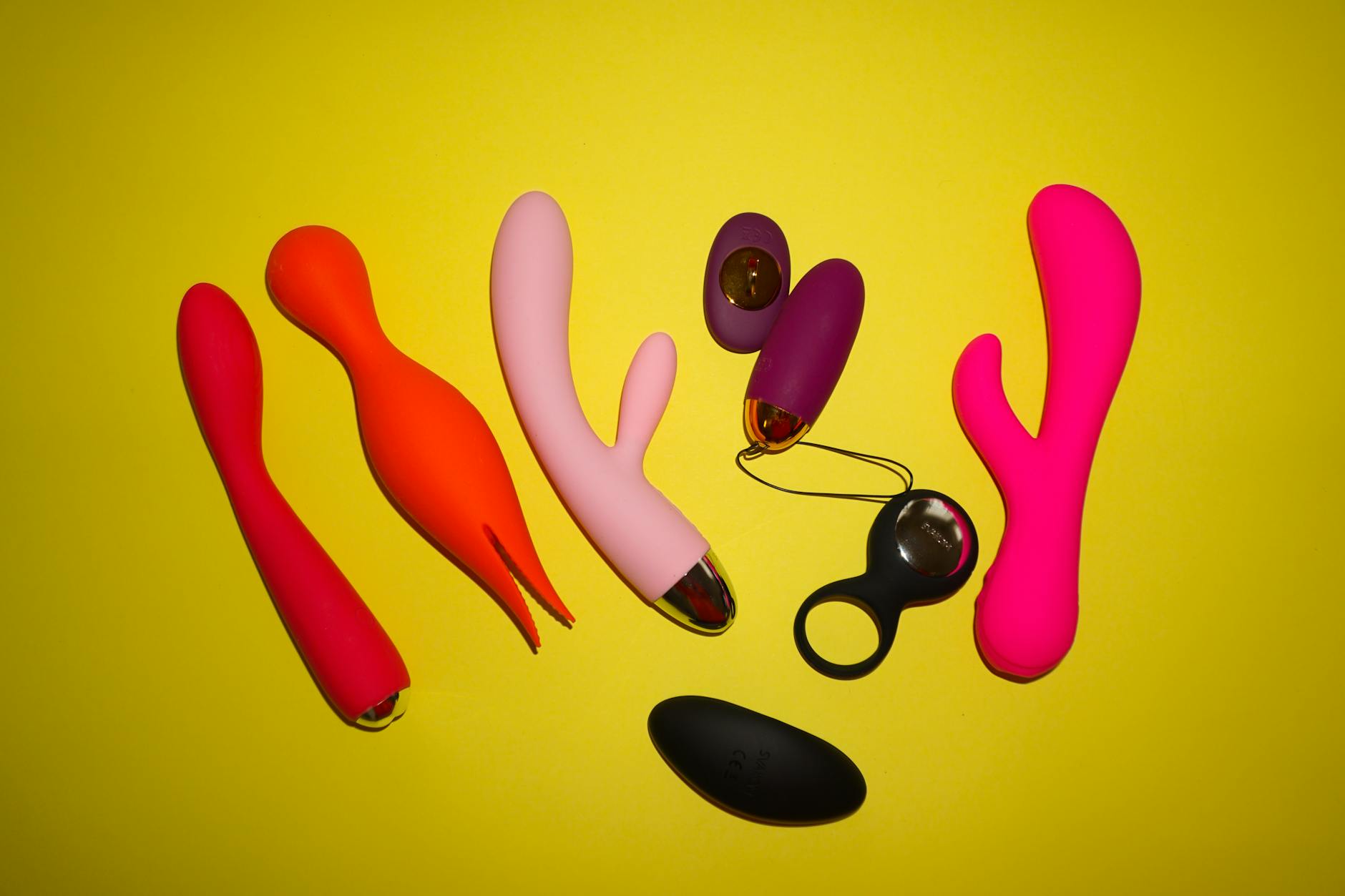
When your world shifts, so does your pleasure
Here's what happens after a major life change. You survive it. You get through the logistics, the paperwork, the conversations that matter. You reorganize your calendar. And then, about four weeks in, you realize you haven't thought about pleasure in months. Or you think about it and feel nothing. Or you feel guilty for wanting it at all.
That moment is exactly when pleasure becomes important.
I work with clients through major transitions constantly. Divorce, relocation for a new job, empty nests, career burnout that forced a reset. What I've learned is that reclaiming pleasure isn't frivolous self-care. It's how your nervous system learns that you're safe again. It's the biological marker that signals to your brain: this new life is worth living, not just surviving.
Why pleasure gets sidelined during big transitions
Think about transition like a system reboot. Your brain is categorizing a new city, new routines, maybe a new relationship status or family dynamic. Arousal requires your prefrontal cortex to be online and your nervous system to be calm. During transition, you're running mostly on survival instinct. The parts of your brain that handle pleasure? They're off the clock.
That's not a flaw. It's protection. Your body is being smart.
But here's what nobody tells you. That protective shutdown doesn't lift on its own. You have to deliberately, gently, intentionally wake it back up. Most people wait for pleasure to feel natural again before they do anything about it. They don't. It stays dormant until someone gives permission to explore it anyway.
Using lemon vibrators during this phase matters because they're small enough, gentle enough, and intuitive enough that you can explore without pressure. You're not trying to have an orgasm. You're not trying to feel like yourself again. You're just touching yourself intentionally and seeing what happens.
The neuroscience of rebuilding after upheaval
When you experience major life change, your threat-detection system gets hyperactive. Your amygdala is in overdrive. Arousal requires the opposite state. Lemon clitoral vibrators bridge that gap because they're not demanding. They work with your nervous system where it actually is, not where you think it should be.
Specifically, the suction-based design of devices like the Lem doesn't require the same kind of mental focus that manual stimulation does. You don't have to perform. You don't have to direct anything. You press it against your clitoris, set it to a low pattern, and your body either responds or it doesn't. Either way, you're safe.
What I see clinically is that people rebuilding after transition respond better to lemon sexual toys than to other options because there's zero ambiguity. A vibration either feels good or it doesn't. You're not interpreting mixed signals from a partner. You're not managing someone else's expectations. It's just you, your body, and straightforward sensation.
Starting over when pleasure feels foreign
Let's say you're six months past a major change. You're in your new apartment or your new life, and you want to reconnect with pleasure but you're honestly uncomfortable with yourself. You've been running on adrenaline and you don't recognize your own body anymore.
Start small. Not metaphorically. Literally small.
Set an intention that has nothing to do with orgasm. "I'm going to spend fifteen minutes exploring what feels good right now." That's it. Pick a time when you're actually alone and not exhausted. Saturday morning, not Thursday at 11 p.m. when you're already fried.
Take a lemon vibrator, set it to pattern one or two, and spend time on your inner thighs, your mons pubis, anywhere except the direct clitoral head. Your clitoris has thousands of nerve endings that extend way beyond the visible surface. By exploring outward first, you're waking up your nervous system gradually.
This sounds weird, but it works. You're not chasing a specific outcome. You're just reintroducing yourself to sensation in your own timeline.
When pleasure comes back in waves, not floods
After big transition, pleasure doesn't return linearly. One week you'll feel genuinely turned on for the first time in months. The next week you'll feel nothing and panic that it's gone for good. It's not. You're still recalibrating.
Lemon vibrators are useful here because they're forgiving of mood. On a day when you feel something, you can lean into it. On a day when you feel disconnected, you can still use the device, feel the sensation, and trust that your nervous system is registering the input even if pleasure isn't the immediate result.
I often tell my clients that using a clitoral vibrator after major change is like physical therapy for your nervous system. You're not expecting yourself to run a marathon. You're doing the exercises that rebuild capacity over time.
One concrete thing I recommend: track it loosely. Not obsessively. Just note which patterns on your lemon clitoral vibrator feel best on which days. Are you more responsive to suction on days you've had good sleep? Do you prefer lower intensities when you're still processing grief? This isn't clinical. It's just data that helps you meet yourself where you actually are.
Rebuilding pleasure when you've lost trust in your own body
Some transitions shake your trust in your own judgment. Divorce does this. So does relocation that didn't turn out how you hoped. You start questioning your instincts about everything, including pleasure.
When that happens, lemon sexual toys serve a specific function. They give you a feedback loop that doesn't require interpretation. Your clitoris responds to suction or it doesn't. There's no ambiguity, no second-guessing. You're literally teaching your nervous system that you can trust a direct physical signal again.
Use your lemon vibrator in a space where you feel genuinely comfortable. Not necessarily your bedroom if that feels loaded. A bath. The living room after dark. Anywhere your body feels like it can actually relax. Spend time noticing what feels good without judging whether it "should" feel good. Your body doesn't care about should. It cares about actual sensation.
When to bring pleasure back into partnership
If you're entering a new relationship or re-entering your existing one after a major life change, lemon vibrators become a conversation starter instead of a solo tool. This matters because it gives you language for what you need.
Instead of "I want to use a vibrator," you can say, "I'm rebuilding after some big stuff and I want to explore what feels good. Will you help?" That's vulnerability without performance. Your partner gets to understand that pleasure is part of your healing, not a reflection on them.
Many couples I work with find that introducing a clitoral vibrator during transition actually brings them closer because it removes the pressure for everything to happen organically. You're both acknowledging that transition has changed things and you're choosing to rebuild together.
The signals that you're ready to deepen
At some point, usually three to six months into regular exploration, you'll notice a shift. You might feel genuine arousal for the first time. Or you'll discover that certain patterns on your lemon vibrator create sustained interest instead of just brief sensation. Or you'll realize you're actually looking forward to solo time with pleasure instead of dreading it.
That's the signal that your nervous system is genuinely recalibrating. Now you can start exploring more intentionally. Longer sessions. Different patterns. Maybe bringing a partner in. The foundation is stable enough to build on.
For many people, how to use lemon vibrators when you want pleasure without a partner becomes interesting at this stage. You're no longer rebuilding. You're actually exploring for pleasure's sake.
FAQ: Pleasure After Major Life Changes
How long does it actually take to reconnect with pleasure after a big transition?
Everyone's timeline is different, but I typically see a pattern over three to six months. The first month is often numb or disconnected. Months two and three start showing glimpses of responsiveness. By month four or five, genuine pleasure usually returns. Using a lemon clitoral vibrator consistently throughout that window accelerates it because you're actively signaling to your nervous system that pleasure is safe again.
Is it normal to feel guilty about wanting pleasure while grieving a life change?
Completely normal. You're often taught that pleasure and serious emotions are separate categories. They're not. Grief and pleasure can coexist. Using a lemon vibrator while you're processing a transition doesn't diminish the significance of what you've lost. It signals that you're also ready to build something new. Both are true.
Should I tell my partner I'm using a vibrator to rebuild after our transition?
That depends on your relationship and the transition. If you're using it solo as part of your personal healing, that's private. If you're in a partnered relationship and want to bring pleasure back into that space, sharing that you're exploring with a lemon clitoral vibrator can actually deepen connection because it's honest about where you are. The conversation is less about the toy and more about rebuilding together.
Do different lemon vibrator patterns work better during different phases of transition?
Yes. Early on, stick to patterns one through three. Low, consistent suction that doesn't demand anything from your nervous system. As you stabilize, around month two or three, you can experiment with faster patterns or pulsing. By month five or six, when you're genuinely interested in pleasure again, you can explore the full range. Your nervous system will tell you what it's ready for.
What if pleasure doesn't come back naturally even with a vibrator?
That's worth discussing with a therapist, especially a trauma-informed one if the life change was particularly difficult. Sometimes pleasure stays blocked because your nervous system is still processing. A vibrator can't fix that alone. But combining gentle use of a lemon sexual toy with actual therapeutic work often does. You're not broken. You're just taking longer to integrate the change, and that's okay.
Can using a lemon vibrator during transition help with depression or anxiety?
Not as a replacement for treatment, but as a complement. Pleasure activates the parasympathetic nervous system, which is your body's relaxation response. Using a lemon clitoral vibrator regularly can lower cortisol and create windows of calm. But if you're struggling with depression or anxiety after major life change, you need actual support. The vibrator is one tool. Therapy, community, movement, and sometimes medication are often part of the full picture too.
Coming back to yourself
Major life changes don't just disrupt your external world. They scramble your internal sense of safety and self. Reclaiming pleasure is part of how you signal to your nervous system that you're ready to rebuild. It's not selfish. It's not premature. It's exactly what your body needs.
Using a lemon vibrator during this phase isn't about performance or intensity. It's about gentle, intentional reconnection. You're teaching yourself that pleasure is safe again. That your body is yours again. That this new chapter, whatever it is, is worth living fully in.
Start small. Go slow. Trust the process. Your body knows how to feel good. It just needs permission to remember.