Let's get real about new relationship energy and toys
You've met someone you actually want to explore with. The chemistry is there. The conversations flow. And now you're sitting with the question: How do we bring a toy into this without making it weird? Here's the thing. A lemon vibrator in a new relationship isn't weird. Fumbling through it without a plan, pretending it just happened by accident, sweating nervously while they watch? That's where weird lives.
I've worked with hundreds of couples navigating this exact transition. The ones who handle it best aren't the ones who pretend toys don't exist. They're the ones who name it, plan it, and approach it like grown adults who actually want to feel good together.
Why new relationships are the perfect time to introduce lemon vibrators
Contrary to what you might think, early intimacy is ideal for bringing toys into the picture. Here's why. You're both still curious about what works for each other. You haven't yet settled into a fixed sexual pattern. You're still in the phase of trying things and adjusting based on feedback. A lemon clitoral vibrator isn't a confession of dissatisfaction. In a new relationship, it's an invitation to exploration.
The science backs this up. Couples who communicate openly about pleasure early on report higher sexual satisfaction long-term. You're not adding a toy to fix a problem. You're building a foundation of honest communication about what feels good.
There's also a practical advantage. When you introduce a toy early, neither of you has years of habit wrapped around "this is how we do things." You're building the habit together from scratch. That's a gift.
How to start the conversation without it feeling like pressure
The conversation matters more than the toy. Here's what works:
Pick a moment that's not in the bedroom. On the couch, over coffee, during a walk. Somewhere you can make eye contact but you're not already undressed or mid-arousal. Say something like: "I've been thinking about exploring more with you. I have a toy I really like, and I'd love to try it together if you're interested. No pressure either way."
That's it. You've named the thing. You've expressed that you want to share it. You've given space for yes or no.
Common fears crop up here. They might worry it means they're not enough. Address it directly: "This isn't about anything being missing between us. I just enjoy this, and I want to share something I like with you." Honesty beats reassurance every time.
If they say no, that's real information. Don't push. But give it space to shift. Sometimes people need time to process before they're curious.
Setting up the first time so it actually works
Timing is everything. You want a moment where you're both genuinely aroused and present. Not rushed. Not distracted by work or tomorrow's schedule. A weekend afternoon where you can be unhurried. Maybe you've been making out for 20 minutes already. You're both engaged.
Then you bring it in. "I want to show you something. Let me use this on you." Or: "I want to try this. Will you help me?" Make them part of the action, not an observer watching you.
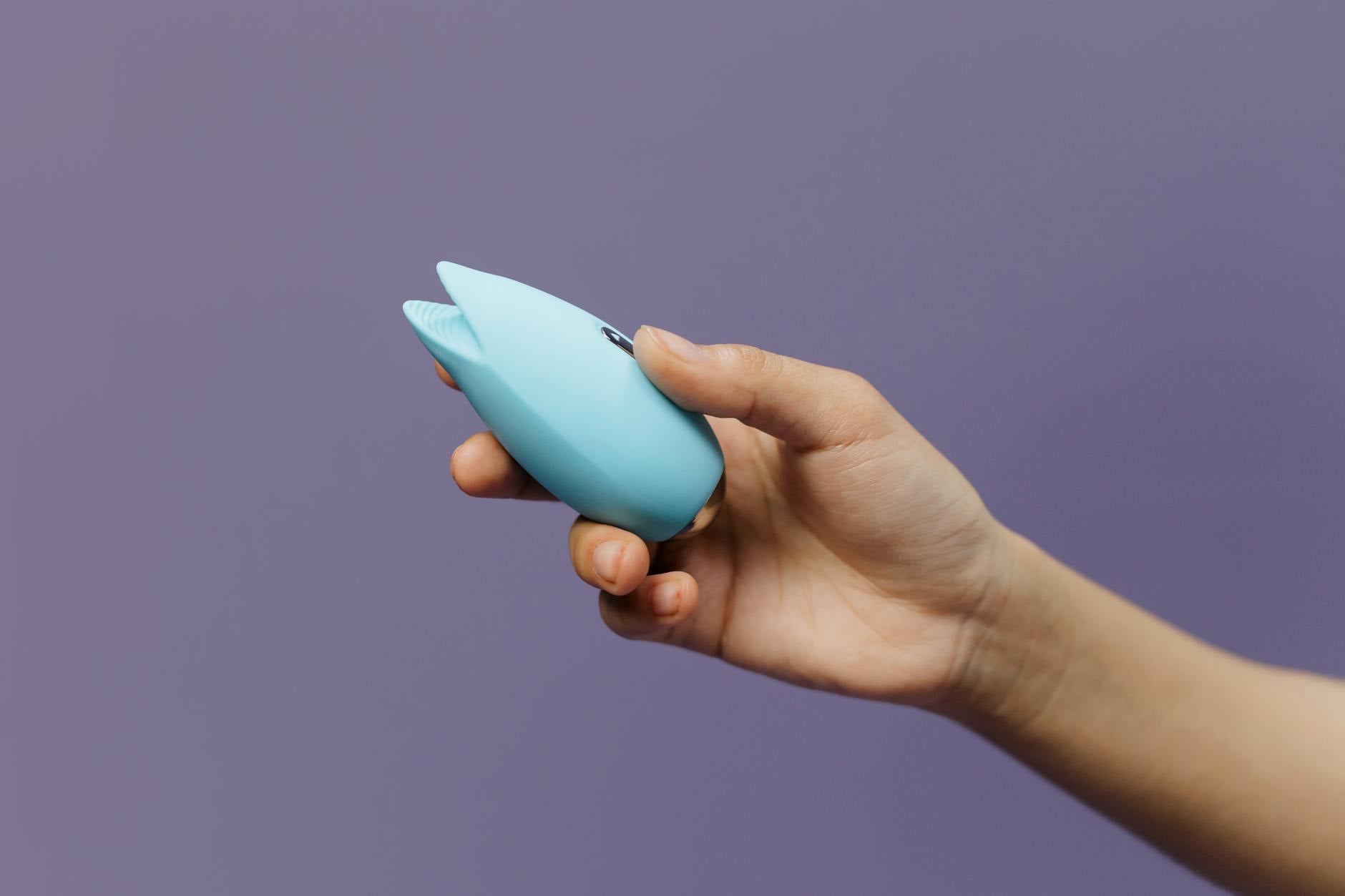
If it's a lemon vibrator like the Lem, walk them through what it does. Explain that suction is different from vibration. Show them the buttons. Let them feel it on their fingertip so there's no mystery. Demystification kills awkwardness faster than anything else.
Start on a lower pattern. You can always increase. But jumping straight to intensity 4 on a clitoral vibrator when someone's never experienced it is a fast way to make them flinch and lose trust. Slow is smart.
Managing different comfort levels and pace
Not everyone's body responds the same way. Someone might need 10 minutes of buildup before a toy feels good. Someone else gets overwhelmed by suction after 2 minutes. That's not failure. That's data.
Keep checking in. "How does this feel?" "Want to slow down?" "Should we try a different pattern?" These aren't unsexy pauses. They're the opposite. They're you saying: "Your pleasure matters. I'm paying attention."
If they're hesitant or it's not working, don't push for another round immediately. Try again another time. One awkward first experience with a lemon clitoral vibrator can create resistance that lasts months. One good conversation and a comfortable first try builds openness for years.
What to do if you're the less experienced partner
Maybe your new partner brought the toy conversation. You're intrigued but uncertain. That's fine. Express that. "I've never done this before. Help me understand what you enjoy." Let them lead the first time. Watch what they do. Ask questions after.
Your curiosity is enough. You don't need to perform expertise you don't have.
If you're nervous about how your body will respond in front of them, name it. "I might feel a little self-conscious at first. That's about me, not about you." Most partners respond to honesty with patience. And usually, once you're actually in the moment and feeling good, self-consciousness evaporates.
Building the ritual that works for you both
After that first time, you'll learn what your rhythm is. Maybe you use a lemon vibrator every other time you're intimate. Maybe it's a weekend thing. Maybe it's something you explore once a month and that's exactly right.
The key is that you've moved past "is this okay?" and into "this is what we do together." That shift changes everything. You stop thinking of it as a performance or a test. It becomes part of your intimate language.
Some couples find that introducing toys early actually creates better communication about pleasure overall. You've established that checking in is normal. That trying things is normal. That saying "this isn't working for me" is normal. Those habits stick.
When to get a toy just for exploration
If you don't already own a lemon vibrator or clitoral toy, consider buying one together. Make it collaborative. Look at options online. Read reviews. Let them see what appeals to you. This isn't hiding anything. It's transparency about what you're interested in.
If you already have a favorite lemon sexual toy, that's great. But gauge whether introducing something new together might feel more balanced. Some partners find it easier to explore a toy that's new to both of them.
The myth that toys create dependency
You might worry that using a toy will make it impossible to orgasm without one. This isn't how bodies work. Using a lemon vibrator doesn't rewire your nervous system. It's more like: you have another tool in your toolkit. You can still enjoy other types of stimulation. You just also have this option.
In new relationships especially, this takes pressure off you both. You're not trying to achieve orgasm through penetration or manual stimulation alone. Sometimes you will. Sometimes you'll use the toy. Sometimes you'll combine things. Flexibility is the point.
Red flags to watch for
If your partner pressures you to use a toy when you've said you're not ready, that's a sign. If they make fun of you for suggesting it, that's a sign. If they use it aggressively without checking in, that's a sign. A new relationship should feel exploratory and safe. If it doesn't, trust that feeling.
Good partners understand that "no" or "not yet" is as valid as "yes." They don't sulk. They don't push. They move forward with what you're both comfortable with.
What comes after the first successful time
You've done it. You've introduced a lemon vibrator or another clitoral toy into your shared intimate life. The awkwardness is behind you. Now what?
Know that you've actually built something. You've established that you can talk about pleasure. That you can try new things. That you can check in without judgment. That foundation supports everything else. It supports asking for what you need. It supports staying curious as your relationship evolves. It supports long-term connection.
The toy itself is almost secondary. What matters is the conversation you've had and the permission you've given each other to keep exploring.
People also ask
What if my partner thinks toys mean I'm not satisfied?
Likely they will have that thought, at least briefly. The antidote is a direct conversation. "Using a toy with you doesn't mean anything is missing. It means I want to expand what we share. It's an addition, not a replacement." Then show them through your actions. Include them in the choice. Let them lead sometimes. Make it collaborative, not solo.
Is it weird to use a lemon vibrator during partnered sex?
Not at all. Clitoral vibrators like the Lem are designed for exactly this. They provide consistent stimulation during penetration if that's what you want. They work alongside partnered activity, not against it. Many couples find that adding clitoral stimulation during sex creates more frequent and intense orgasms for the receiving partner. It's common. It's not weird.
How do I know if my new partner is actually okay with using toys or just going along with it?
Watch for enthusiasm, not just compliance. Do they ask questions about how it works? Do they initiate using it sometimes? Do they seem relaxed and present? Those are yes signs. If they're silent, seem uncomfortable, or only agree when you bring it up, check in again later outside the bedroom. "I want to make sure you're actually into this and not just saying yes." Real consent includes genuine interest.
What if we tried a toy and it didn't work well the first time?
One unsuccessful attempt is not a referendum. Bodies and comfort shift. Maybe they were too in their head. Maybe the timing wasn't right. Maybe you need a different toy. Give it time. Try again another week with a different approach. Or ask what would feel better. "Last time didn't quite land for you. What would make it better this time?" Most people need a few attempts before something new feels natural.
Should I ask before using a lemon vibrator on my partner or ask for permission in the moment?
Both are valid, depending on your dynamic. Some couples like the conversation to happen beforehand, and then in-the-moment it's just action. Others like the check-in during sex: "Can I use this?" Either way, explicit consent matters. Don't assume a previous yes extends to every encounter. Some nights they'll want it. Some nights they won't. Make it a question, not a given.
How do I introduce a toy if we haven't talked much about sex yet?
Start with a conversation, not the toy. "I've been thinking about ways we could explore more pleasure together. What sounds interesting to you?" This opens the door without putting the toy in their face immediately. Let the conversation breathe. Then, if there's curiosity, you can say, "There's actually something I'd like to try with you. Can we talk about it?" You're building toward comfort, not springing it on them.
New relationships are where sexual intimacy takes shape. Introducing toys early, with honesty and care, sets a pattern for the entire relationship. You're saying: we talk about pleasure, we try things together, we care about what each other enjoys. That foundation changes everything that comes after.