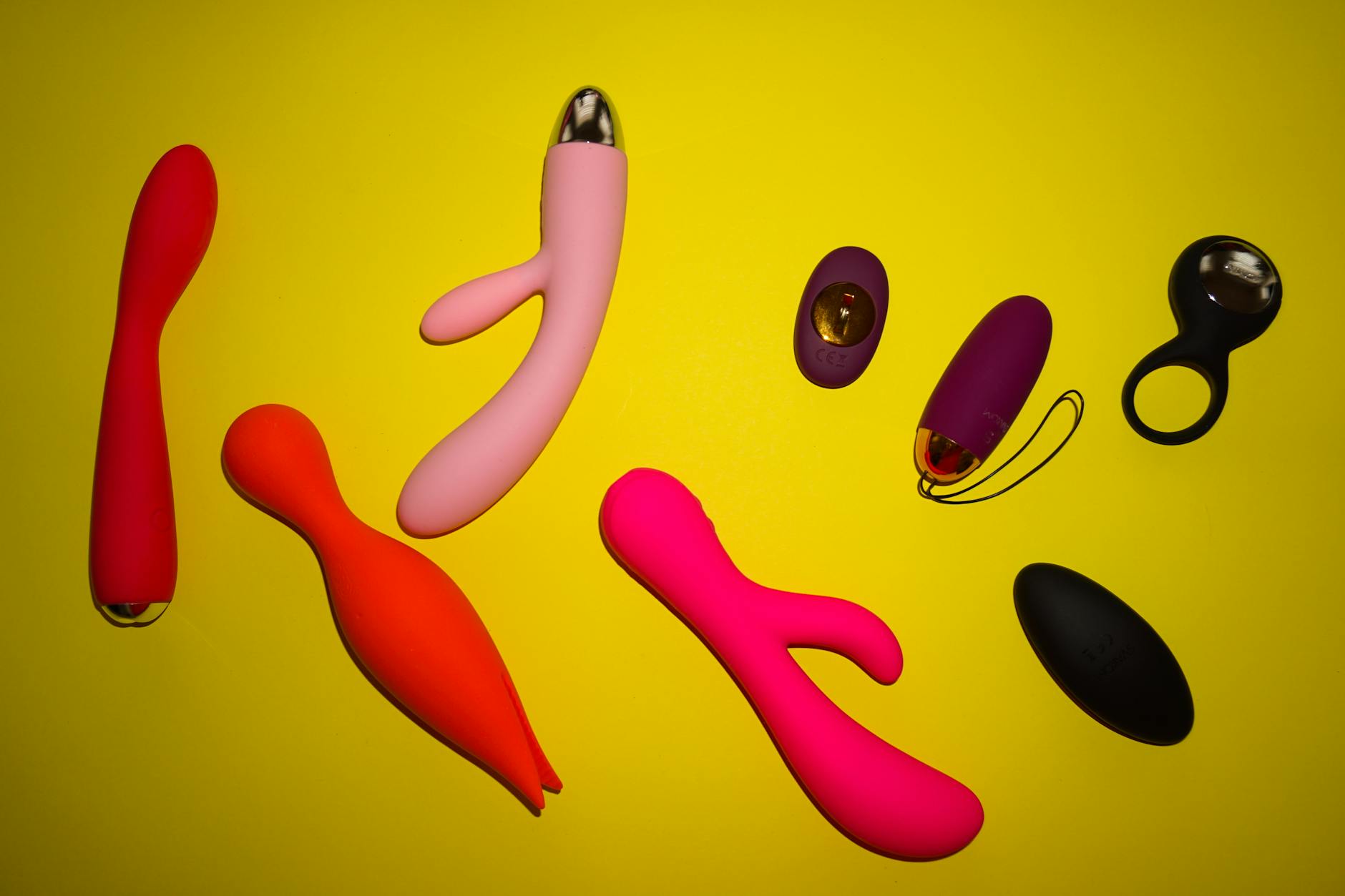
When life reshapes your relationship with pleasure
Let's be real. You move houses. Your kids leave. Your job implodes. A long relationship ends. You change careers at 45. Any of these alone can numb your pleasure response. Stacked together, they can feel like you're watching your sexuality from behind glass.
This isn't dysfunction. It's not broken. It's actually a really normal nervous system response to instability. When your brain is using all its bandwidth to process change, pleasure gets deprioritized. It's survival, not failure.
Here's what I see in my practice: people assume they need to "fix" their desire. They don't. They need to give themselves permission to rebuild it slowly, with tools that work with their nervous system instead of against it. Lemon clitoral vibrators, particularly the suction-based design, are one of the best bridges I've found for people in this exact place.
Why life transitions specifically mess with arousal
There are three neurological things happening when you're moving through a major life change.
First, your prefrontal cortex (the thinking brain) is in overdrive. You're processing logistics, grief, uncertainty, identity questions. That same part of your brain that powers decision-making also powers arousal initiation. When it's exhausted, arousal takes a backseat.
Second, your nervous system is in low-level alert mode. Even if you're not consciously anxious, your body is scanning for threat. Arousal requires a degree of nervous system relaxation that feels impossible when you're transitioning. Your body literally can't access pleasure because it's prioritizing safety.
Third, pleasure often gets wrapped up in your old life. If you're grieving a relationship, your body remembers that intimacy. If you're leaving a job or a city, pleasure might feel tangled up with identity you've already shed. Solo pleasure feels disconnected from who you're becoming.
None of this means your capacity for pleasure is gone. It means it's temporarily offline. And there's a really practical way to bring it back.
Why suction-based lemon vibrators work better during transition
When you're in a depleted nervous state, you don't want stimulation that requires mental focus. Traditional vibrators demand attention. You have to find the right spot, maintain pressure, stay engaged. Your brain has to participate.
Lemon vibrators with air-suction technology work differently. The Lem and similar clitoral suckers create a gentle seal and a rhythmic pull. Once you find the right intensity level, your nervous system recognizes it as a consistent, predictable sensation. Predictability is calming. Your body doesn't have to stay on alert.
This matters because during life transitions, your nervous system is already activated. Adding stimulation that requires active participation often backfires. You get frustrated. You feel more numb. The tool becomes another thing you're failing at.
A lemon sucker changes that equation. The sensation is novel enough to pull attention away from whatever transition you're processing, but simple enough that it doesn't create new demand on your bandwidth.
The rewiring process: building pleasure back in stages
I recommend a three-stage approach that takes roughly two to four weeks, depending on where you're at emotionally.
Stage One: Nervous System Calibration (Days 1-7)
Your job is not to orgasm. Your job is to teach your body that pleasure is available again and that it's safe. Use a lemon clitoral vibrator at the lowest setting for five to ten minutes. That's it. No pressure to finish. No goal. If you reach orgasm, great. If you don't, that's also fine.
The point is consistency and low-stakes exploration. You're literally rewiring your nervous system's association between pleasure and safety. This only works if there's zero performance pressure.
Stage Two: Intensity Exploration (Days 8-14)
Once your body starts recognizing the basic sensation as safe, gradually increase intensity. Move from pattern 1 to pattern 2. Stay there for a few sessions. Then pattern 3. You're not racing. You're noticing. What intensity level feels like it registers in your body without triggering more numbness?
Many people find that after transition, they actually prefer slightly lower intensities. Your nervous system is working hard. Overstimulation often reads as threat, not pleasure. The suction design of lemon vibrators lets you dial this precisely without the all-or-nothing feeling of traditional vibrators.
Stage Three: Narrative Integration (Weeks 3-4)
As pleasure starts returning, your brain will want to reweave it into your identity. This is where it gets interesting. You're not bringing back your old pleasure pattern. You're building a new one that fits who you're becoming.
Maybe pre-transition you needed fast-paced, high-intensity sensation. Now you might find you prefer longer, slower building experiences. That shift isn't loss. It's adaptation. A lemon vibrator's range lets you explore both ends of that spectrum without swapping tools.
Practical setup tips for reconnection
Four things make a difference when you're starting from a depleted place.
Use space intentionally. Don't use the same bed where you felt the numbness. Move to a different room, or even get outside if weather allows. Your nervous system associates physical locations with emotional states. A new place signals safety and permission.
Time it right. Don't try to reconnect to pleasure when you're mentally exhausted. Early morning, or a specific time you carve out as "yours," works better than late night. Your brain needs cognitive resources for this to work.
Build a five-minute wind-down. Before you use the vibrator, spend five minutes doing something that genuinely settles your nervous system. Some people do breathing work. Others listen to a specific song. One client told me she holds her lemon vibrator under warm water first. The ritual matters more than the specific choice.
Start with your hand, not the toy. Before you introduce the lemon clitoral vibrator, spend a few days just touching yourself. No tool. This rebuilds the basic sensation pathway. Your nervous system needs to remember that pleasure starts with your own attention.
When your partner is also transitioning
If you're in a relationship and you're both moving through a life change, separate your pleasure paths temporarily. This isn't rejection. It's wisdom. When two people are both depleted, adding the pressure of partnered intimacy usually makes it worse.
Tell your partner: "I need a few weeks to rebuild solo pleasure. This is about reconnecting with myself, not about you or us." Most partners respect this when it's framed as self-care, not avoidance.
Once you've rebuilt your solo pleasure pathway, partnered pleasure often returns more easily. You've proven to your body that sensation is safe again. That trust transfers.
The emotional piece nobody talks about
Using a lemon vibrator to reconnect after life transition isn't just physical. It's permission. Every time you carve out time for pleasure, you're telling yourself: "My body matters. My pleasure matters. I'm not just surviving, I'm living."
That message goes deep. Especially if the life transition involved loss. If you left a relationship, touching yourself with an intentional tool is a way of saying: I can meet my own needs. If you changed careers, pleasure becomes proof that your identity is bigger than any one role.
This is why I recommend the lemon vibrator specifically over other options. The suction sensation is grounding in a way that helps you stay present in your own body during the transition. It's not about chasing intensity. It's about finding a way back to yourself.
When to check in with a professional
If you're three weeks in and still feeling completely numb, or if pleasure feels tangled up with trauma or grief that won't shift, talk to a therapist. That's not a failure of this approach. It means your nervous system needs more support than solo pleasure can provide.
Lifestyle changes, major grief, relationship loss. These can sometimes deepen into depression or anxiety that needs outside support. A good therapist and a lemon clitoral vibrator can work together beautifully.
FAQ
How long does it usually take to reconnect with pleasure after a major life change?
Most people start noticing a shift within two to three weeks of consistent use. But full reconnection, where pleasure feels integrated into your new identity, usually takes two to three months. Don't rush this. Your nervous system needs time to reorganize itself.
Can I use a lemon vibrator if I'm on antidepressants and my sex drive is suppressed?
Absolutely. In fact, this is one of the most common questions I hear. Medication-suppressed desire works similarly to transition-suppressed desire. Your nervous system needs consistent, predictable sensation to remember that pleasure is available. A lemon sucker is specifically good for this because it doesn't require the mental focus that other vibrators do.
Is it normal to not feel much the first few times I use a lemon vibrator during a transition?
Completely normal. Your nervous system is protecting you. The numbness isn't a problem. It's a feature. Keep using it consistently at low intensity. Sensation will return as your brain registers safety.
Should I tell my partner I'm using a vibrator to reconnect after our transition?
That depends on your relationship agreement. If you're partnered and haven't discussed toys, this might be a good opening conversation. Frame it as self-care, not rejection. Try: "I'm working through some things with my pleasure after this big change. I'm going to spend a few weeks exploring solo. I want you to know because I value our honesty."
Can I use a lemon vibrator while going through other transitions like empty nest or retirement?
Yes. Any major life change that destabilizes identity tends to suppress pleasure. The same three-stage approach works regardless of the specific transition. The tool doesn't change. The nervous system response does.
What if pleasure feels guilty or wrong during a transition?
This often comes up after relationship endings or job loss. Pleasure can feel like you're betraying what you lost, or celebrating too early. That's your nervous system trying to keep you loyal to the old version of your life. Gentle reminder: pleasure isn't about moving on. It's about staying alive in your body while everything else is reorganizing. Use the vibrator as a small act of self-compassion, not as progress or healing. Progress comes later.