Let's talk about the gap
Months. Years. Sometimes a decade or more. There are so many reasons you might not have had sex or touched yourself in a while. Illness, injury, grief, medication side effects, a relationship ending, a relationship beginning, life just happening at full volume. None of it matters except that you're here now, thinking about pleasure again, and your body probably feels unfamiliar.
Here's the thing: your body hasn't forgotten. But it has changed. And the pressure you put on yourself to make it "work" like it used to will actually make everything harder.
Why starting over feels different (and that's okay)
When you haven't engaged with your body sexually for an extended period, a few things shift. Your pelvic floor muscles may be tighter or less responsive. Sensitivity can feel muted because those neural pathways haven't been activated in a while. Your mind might be anxious or skeptical, which directly affects arousal. And your tissues, especially if you're post-menopausal or on certain medications, may need more time to warm up and lubricate.
The mistake most people make is treating this like a performance test instead of a reintroduction. You're not trying to prove anything. You're meeting yourself again.
Why lemon vibrators are different for this moment
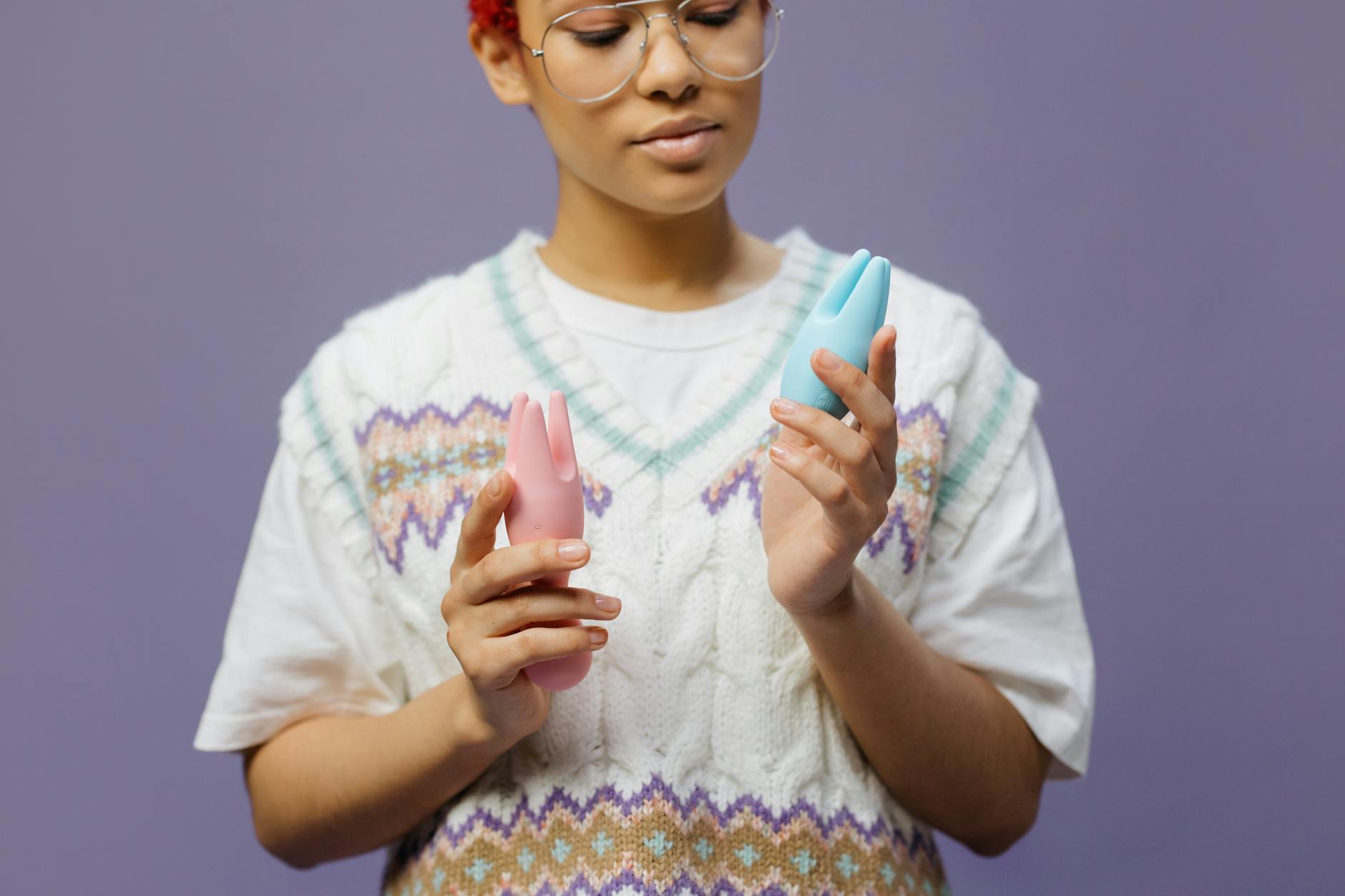
Clitoral vibrators, especially ones like the Lem that use suction and pulse patterns, are gentler entry points than fingers or partners because they do the work for you. You don't have to think about rhythm or pressure. You can just receive sensation. That matters when you're rebuilding trust with your own body.
Lemon vibrators specifically are quiet, discreet, and have variable intensity settings, which means you can start at the lowest pulse and stay there as long as you need. No rush. No expectation to "finish" or "perform." Just gentle, consistent stimulation that wakes up your nervous system without overwhelming it.
The practical starting protocol
Here's how I'd recommend approaching this with a lemon clitoral vibrator:
Week 1-2: Exploration mode. Start fully clothed if that feels better. Hold the vibrator near your body without turning it on. Get used to its weight, shape, and the fact that it exists in your space. This sounds silly, but desensitizing anxiety is half the work. Turn it on at the lowest setting (patterns 1-2 on the Lem) and let it run against your inner thigh or over your underwear for 5-10 minutes. No goal. Just sensation.
Week 3-4: Slow touching. Move the lem vibrator to direct contact with your vulva over underwear, still on the lowest pattern. Spend 15-20 minutes here, multiple times per week. Your nervous system needs repetition to trust that this feels safe.
Week 5+: Progression, not pressure. Only when the lowest setting feels familiar and comfortable should you move to skin contact or higher patterns. And even then, you might stay on pattern 2-3 for weeks. There's no finish line here.
Managing the mental part (it's bigger than the physical)
Your brain might be running a loop of doubt. "Will this work?" "Am I supposed to feel something by now?" "Is this broken?" This is the most common reason people quit too early, and it's completely treatable.
First, separate sensation from orgasm. An orgasm is not the marker of success right now. Sensation is. A tingle. A warmth. A moment where you forgot to check the time. That's a win.
Second, give yourself permission to stop at any point without it meaning anything. If you turn on the lem vibrator and after two minutes you feel nothing, that's data, not failure. Turn it off. Try again in two days. Your body is not broken. It's just waking up slowly.
Third, if your brain is telling a story about shame or unworthiness, that story is louder than any vibration right now. Consider talking to a therapist before you restart your sex life. I say this not as a therapist scolding, but as someone who knows that your mind has to give permission before your body will follow.
When to use lube and how much it matters
If you haven't had sex or masturbated in a long time, natural lubrication may take longer to appear. This is not a sign that anything is wrong. It's a sign that you need external lubrication, full stop.
Use a water-based lube with your lemon clitoral vibrator. Apply it generously before you start, and reapply halfway through if you're going longer than 15-20 minutes. The lem vibrator works beautifully with lubrication because the suction action stays consistent and the pulse patterns don't create friction that could irritate thinner or more sensitive tissue.
If you're post-menopausal or on medications that affect lubrication, consider keeping lube nearby even if your body produces some naturally. The combination of external lubrication and the gentle suction of a lemon vibrator means you're not fighting against dryness, which means your nervous system can actually relax.
Rebuilding with a partner (or deciding not to)
If you're in a relationship and starting to engage with sex again after a long time, have a conversation with your partner that has nothing to do with sex. Tell them you're rebuilding your relationship with your own body and that this is going to look slow. Ask them to be patient. Then tell them you don't need them in the room for this part. Not because you don't want them, but because the pressure of being watched or performing will undo all your work.
Many couples find that after one partner has done the solo work with a lemon vibrator to rebuild confidence and sensation, sex together feels less fraught. You're not walking into it desperate to prove it still works. You already know it does.
If you're solo, you don't owe anyone access to this. This is for you.
Managing expectations around orgasm
Here's what I tell clients: an orgasm after extended time away can feel different. Sometimes muted. Sometimes more intense. Sometimes it takes 45 minutes when it used to take 10. All of that is normal.
If you don't orgasm for the first few weeks or months, that's also normal. Your body is relearning how to build arousal and sustain it. The lem vibrator is doing its job of providing consistent stimulation, but your brain and nervous system need time to remember that this is safe and good.
The orgasm will come. Right now, the job is pleasure without pressure.
When to know something needs attention
If you experience sharp pain, numbness that doesn't resolve, or intense anxiety that makes it impossible to relax, pause and check in with a gynecologist or sex therapist. There's no shame in that. Sometimes the gap in time reveals physical things that need care. Sometimes the anxiety needs professional support. Both are treatable.
For most people restarting after a long time, lemon vibrators with their customizable intensity, quiet operation, and gentle suction design feel like the right bridge between where you were and where you want to go. Start low, stay patient, and trust that your body knows how to feel good. It just needs permission and time.
FAQ: Restarting Your Sex Life With Lemon Vibrators
How long does it usually take to feel comfortable again after not having sex for years?
There's no standard timeline, but most people report feeling genuinely comfortable within 4-8 weeks of consistent, pressure-free exploration with a lemon clitoral vibrator. "Comfortable" means you can turn it on without anxiety, not necessarily that you're having orgasms. If you're still feeling significant anxiety or numbness after 8-12 weeks, that's a good time to talk to a sex therapist or gynecologist. Sometimes there's an underlying medical piece or trauma that needs professional support.
Can I use lemon vibrators if I'm on antidepressants or other medications that affect sensation?
Yes, and in fact, lemon clitoral vibrators can be particularly helpful because the suction and pulse patterns work differently than other types of stimulation. Some medications reduce sensation gradually, so you might feel less than you used to, but that doesn't mean pleasure isn't there. Start with the lem vibrator on the lowest pattern and give yourself weeks, not days, to acclimate. Many people find that over time, their nervous system adapts and sensation returns. If it doesn't after 3-4 months of regular use, talk to your doctor or a sex therapist about whether medication adjustment is an option.
Is it normal to feel emotional when using a lemon vibrator after a long time away?
Completely normal. Pleasure can unlock a lot of feelings: relief, sadness about the time lost, grief, joy, anger. If you feel emotional, that's your nervous system processing something. Let it. You don't have to have an orgasm or feel good in a specific way. If the emotions are intense or overwhelming, take a break, practice some grounding (five things you can see, four you can hear, three you can touch), and come back when you're ready.
What's the difference between using a lemon vibrator solo versus with a partner when restarting your sex life?
Solo work helps you rebuild your own arousal and sensation without pressure or performance anxiety. It's your baseline. When you add a partner, there's dynamics, communication, and the vulnerability of being seen. Most sex therapists recommend doing some solo exploration first so you know your own body again before adding the complexity of partner dynamics. If you're starting with a partner, go even slower. Set a boundary that the first few times are about touching and presence, not penetration or orgasm. Let your partner know what you need from them, which is usually patience and a genuine lack of expectation.
Can lemon vibrators help if my tissues are thinner or more sensitive after menopause or medical treatment?
Yes. The suction mechanism of a lemon clitoral vibrator like the Lem is specifically gentler on thinner tissue than direct vibration alone because it works through gentle pulse and suction rather than friction. Use plenty of water-based lube, start on the lowest pattern, and you can explore slowly without irritation. If you experience pain, pause and see a gynecologist. Sometimes topical estrogen or other treatments can help, and it's worth exploring that option.
How do I know if I should see a therapist before restarting my sex life?
If the gap in your sex life came from trauma, a painful breakup, sexual assault, or significant anxiety about your body, a sex therapist or trauma-informed therapist can help you process that before or alongside your physical exploration. There's no "should" here. Some people work through things solo, some with a therapist, some with both. If you're noticing that anxiety or shame is the main thing keeping you from pleasure, therapy is probably worth considering.
Getting started is the hardest part
When you haven't had sex or touched yourself in a long time, the gap feels massive. Your body feels foreign. Pleasure feels like something that used to be yours but isn't anymore. That's not true. It's still there. It just needs you to approach it gently, without pressure, and with curiosity instead of expectation. A lemon clitoral vibrator gives you a tool that does the work for you while you relearn how to receive. Start slow, stay patient, and trust that your body is capable of pleasure again. It absolutely is. Reach out to our team at Hello Nancy if you have questions about how to use a specific lemon vibrator for your situation, or check out our guide on best lemon vibrator patterns for building sensation over time for next-level insights once you're comfortable with the basics. We're here to support your journey back to pleasure, whatever that looks like for you.