Let's start with what matters most
Recovering from sexual trauma means rebuilding trust with your own body. That process is deeply personal, and there's no timeline that's right for everyone. If you're exploring pleasure again, that's a significant step forward. What you need from a tool right now might be very different from what you needed before.
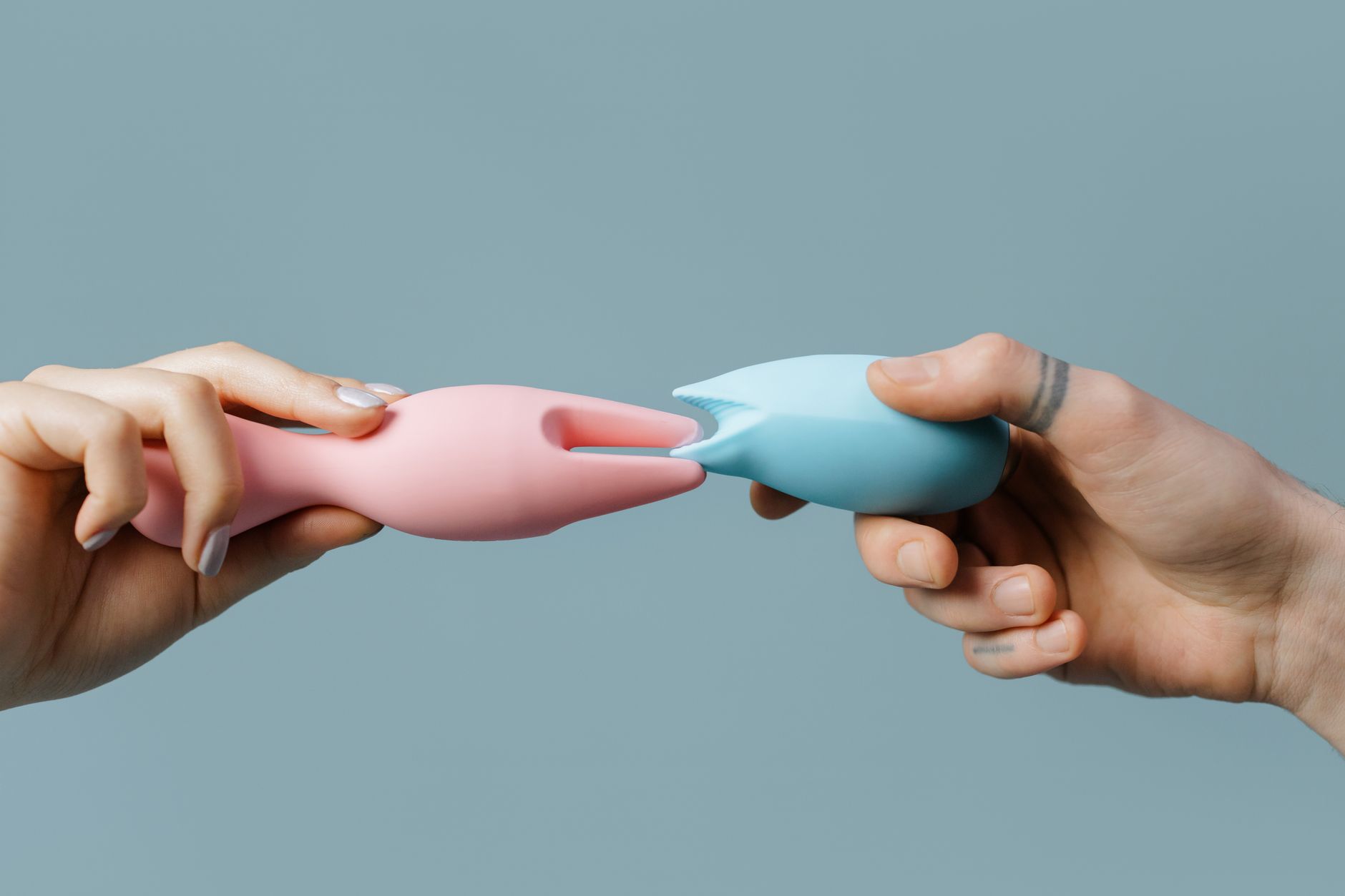
Lemon vibrators, specifically air suction clitoral vibrators, offer something many survivors find helpful: control. You decide the intensity, the pattern, the duration, and when to stop. That agency is part of what makes them different.
Why air suction feels safer for many trauma survivors
Direct vibration can feel jarring when your nervous system is still learning to feel safe. Air suction works differently. It creates a gentle rhythmic pulse around the clitoris rather than direct contact, which means you have built-in distance from the sensation.
This matters practically and psychologically. You're not being touched directly. You're choosing a gentler introduction to stimulation. That distinction allows your body to relax into the experience rather than bracing against it.
The Lemon vibrator's suction patterns range from minimal to intense. You can start at pattern one, which feels almost like a soft massage, and stay there indefinitely. Many survivors spend weeks or months at the lowest settings, and that's exactly right. There's no rushing this.
Building safety into the experience
Three things that matter before you even turn it on:
1. Timing and location. Choose a time when you're not rushed and a space where you feel physically safe. That might be locked doors, trusted people nearby, or just daylight instead of darkness. Your nervous system needs to know it's not in danger.
2. Start with your body, not the toy. Before introducing the Lemon vibrator or any clitoral vibrator, spend time touching yourself without it. Build familiarity with your own hands. This reconnection is foundational.
3. Have an exit plan. Know that you can stop anytime, for any reason, and you don't owe anyone an explanation. If you need to step away, that's success, not failure.
How to use air suction when touch feels unpredictable
Once you're ready to introduce the Lemon vibrator, the mechanics are simple, but the emotional experience matters more.
Start with the lowest pattern. Honestly, you might find that pattern one is exactly enough for months. Your goal isn't to reach the highest intensity. Your goal is to feel pleasure on your own terms.
Position the Lemon vibrator so it sits over your clitoris without pressure. You're not holding it down. You're resting it against your body. If even that feels like too much contact, hold it slightly away and let the sensation reach you from a distance.
Most trauma survivors find that having lube nearby helps, even if you don't always use it. It's a form of control: you can add it if you want more comfort, or skip it if you want to feel the sensation more directly. That choice is yours.
What to expect emotionally (the stuff nobody tells you)
Your first few times using a clitoral vibrator after trauma might bring up feelings that have nothing to do with the physical sensation. You might feel sad, angry, disconnected, or suddenly flooded with memories. That's not a sign you're doing something wrong. Your body and brain are processing safety in a new context.
If waves of emotion come up, pause. Breathe. You don't have to keep going. Some survivors find it helpful to have grounding tools nearby: a blanket, a comfort object, water to sip, a journal to write in afterward.
Pleasure after trauma isn't linear. You might have a session where everything feels good and safe, followed by a session where your nervous system is less cooperative. Both are normal. Healing isn't about perfect experiences. It's about accumulating moments where you feel agency and choice.
How air suction vibrators help rewire your response
When trauma happens, your body learns to associate certain sensations or contexts with danger. That learning is protective in the moment but can linger long after the threat is gone. Using the Lemon vibrator in a safe context, at a pace you control, teaches your nervous system that this sensation is safe. This is different from exposure therapy. You're not forcing yourself through discomfort. You're gently expanding your window of tolerance.
Many survivors report that after several weeks of regular use in a safe environment, their baseline anxiety decreases and their capacity for pleasure increases. Not because the toy is magic, but because they've accumulated evidence that their body can experience sensation without danger.
This rewiring often extends beyond the toy itself. People report feeling more present in their own skin, more able to initiate touch with partners (if they have them), and less reactive to unexpected touch in daily life.
Working with a partner (if that applies to you)
If you're with someone and you want them involved in your recovery, the conversation matters more than the toy. Tell them exactly what would help: "I need you to let me lead." "I need you to ask before you touch." "I need you to know that stopping doesn't mean anything is wrong."
Partners often want to "fix" things, and that impulse, though well-meaning, can pressure you. The most supportive thing a partner can do is stay curious without pushing, respect your boundaries absolutely, and recognize that your healing timeline is your own.
If you're exploring pleasure solo for now, that's equally valid. Many survivors find that solo recovery comes first, and partnership comes later, or not at all.
When professional support matters
A trauma-informed therapist isn't a luxury add-on. If you're navigating recovery, having someone trained specifically in trauma can help you process what comes up. They can also help you distinguish between normal healing and signs that you need a different approach.
Some therapists specialize in somatic (body-based) therapy, which explicitly addresses how trauma lives in the nervous system. That framework often aligns really well with the work you're doing with tools like lemon clitoral vibrators.
FAQ
Is it normal to feel nothing the first time I use air suction?
Completely normal. After trauma, your nervous system might be very defended. Your body might not be ready to feel sensation even when your mind wants to. This doesn't mean you're broken or that the tool won't work for you. It means you need more time. Try again in a few days, or a few weeks.
Can I use a lemon vibrator if I'm on anxiety medication?
Yes. Anxiety meds don't prevent pleasure. Some medications can make arousal take longer or require higher stimulation. If that's happening, know that you're not the problem. Using the Lemon vibrator at a comfortable intensity and giving yourself more warm-up time usually helps. If you want more info on how medication affects pleasure, this article on lemon vibrators and medication side effects covers it in detail.
What if using the toy brings back flashbacks or panic?
Stop immediately and step away. This isn't failure. Your nervous system is giving you information. Talk to your therapist about what happened, and when you try again, adjust something: a different time of day, a different location, a different lowest pattern, or having a support person nearby. Sometimes you need to move more slowly.
Is it okay to use a lemon vibrator with a partner watching or helping?
Only if you want to. Some survivors find that having a trusted partner present (without touching) helps them feel safer. Others need complete privacy. There's no right answer. Honor what your nervous system is telling you in the moment.
How long does it usually take before pleasure feels "normal" again?
There's no timeline. Some people feel shifts in weeks. Others need months or years. Comparing your timeline to anyone else's will slow you down. The pace of your recovery is exactly right for you.
Can I transition to partnered sex after practicing with a lemon vibrator?
Many people do. Using air suction clitoral vibrators solo builds confidence, teaches your body what pleasure feels like in a safe context, and helps you understand your own preferences. That knowledge becomes the foundation for partnered intimacy. You'll know what you like, what you don't, and how to communicate your needs.
The bigger picture
Recovering from sexual trauma through solo pleasure isn't selfish or odd. It's foundational healing work. Every time you reconnect with sensation on your own terms, you're telling your nervous system that your body is yours. That your pleasure matters. That you get to choose.
Lemon vibrators, air suction toys, and tools like the Lem are just equipment. What matters is what you do with them in a space you've made safe. That's where the real work happens.
If you want to talk through what recovery looks like for you specifically, we're here to help. Reach out anytime.