
Let's start with what actually happens after distance
When couples spend time apart—whether months of long distance, the physical disconnection that follows a major life shift, or even the emotional distance that creeps in from years together—the body forgets how to respond. Not because desire has vanished. Because touch becomes unfamiliar. The nervous system needs retraining. Your skin needs to remember what arousal feels like. And your brain needs permission to expect pleasure again.
That's not failure. That's biology.
Why lemon vibrators change the reconnection game
Traditional vibrators rely on friction and direct pressure. They ask your body to ramp up quickly. After a long period of physical separation, that demand often backfires. The tissue is more sensitive. The nervous system is guarded. What worked before feels too intense, or weirdly numb, or just off. You end up frustrated, and your partner ends up confused.
Lemon vibrators work differently. The Lem, for instance, uses gentle suction stimulation instead of traditional vibration. This approach matters because it wakes up nerve endings without overwhelming them. The sensation builds gradually. It feels less aggressive than what your body might be expecting, which means it's easier to stay present instead of bracing against discomfort.
For couples rebuilding physical connection, that shift from "brace for impact" to "let this feel good" is genuinely half the battle.
The neuroscience bit (made simple)
After time apart, the neural pathways for arousal get dusty. Your vagus nerve—the highway between your brain and your body—hasn't been sending pleasure signals regularly. Reactivating it takes something that feels different enough to catch your attention but familiar enough not to trigger defensiveness.
Suction-based stimulation hits that sweet spot. It's novel (if you haven't used it before) but not shocking. It's intense but graduated. Your nervous system can say yes gradually instead of all at once.
For partners watching someone struggle to orgasm after months or years of separation, a lemon vibrator often removes the performance pressure. "Let's try this together" becomes an adventure, not a test you're both failing.
How to actually introduce this with a partner
Okay, so you want to bring a lemon vibrator into your reconnection. Here's what I tell couples in my practice:
Start with conversation, not the toy. "I read something about how couples reconnect after being apart. Want to try it together?" is infinitely better than surprising your partner with a vibrator during sex. You're signaling that this is collaborative, not a fix for something they're doing wrong.
Use it solo first. Seriously. Understand how it feels on your own body before you invite your partner in. You'll know the pressure settings that work, the angles that feel best, and you'll feel more confident introducing it. That confidence translates directly into arousal.
Start external and low-key. The Lem works beautifully on the clitoris, but you don't have to jump to direct stimulation immediately. Use it over underwear. Use it on the labia. Let your body adjust to the sensation. Then, when you're ready, go direct.
Communicate in real time. "That pressure's perfect" or "Can you go slower?" isn't romance-killing. It's exactly what reconnection requires. Your partner doesn't know what your body needs right now because your body has changed since they last touched you. Close that gap with words.
Why this actually deepens what you have
I've worked with couples who introduced lemon vibrators after months apart, and the conversation afterward matters more than the experience itself. Something about exploring pleasure together—about saying "let's figure this out"—rewires the relationship. You're not having sex. You're having a conversation your bodies are leading.
That distinction is everything.
Many couples report that using a clitoral vibrator together forced them to slow down. No rushing to the finish. No performance metrics. Just "what actually feels good right now?" That slowness ripples into conversations about other things. What they actually want from the relationship. What touch means. Whether they're building toward something or just passing time.
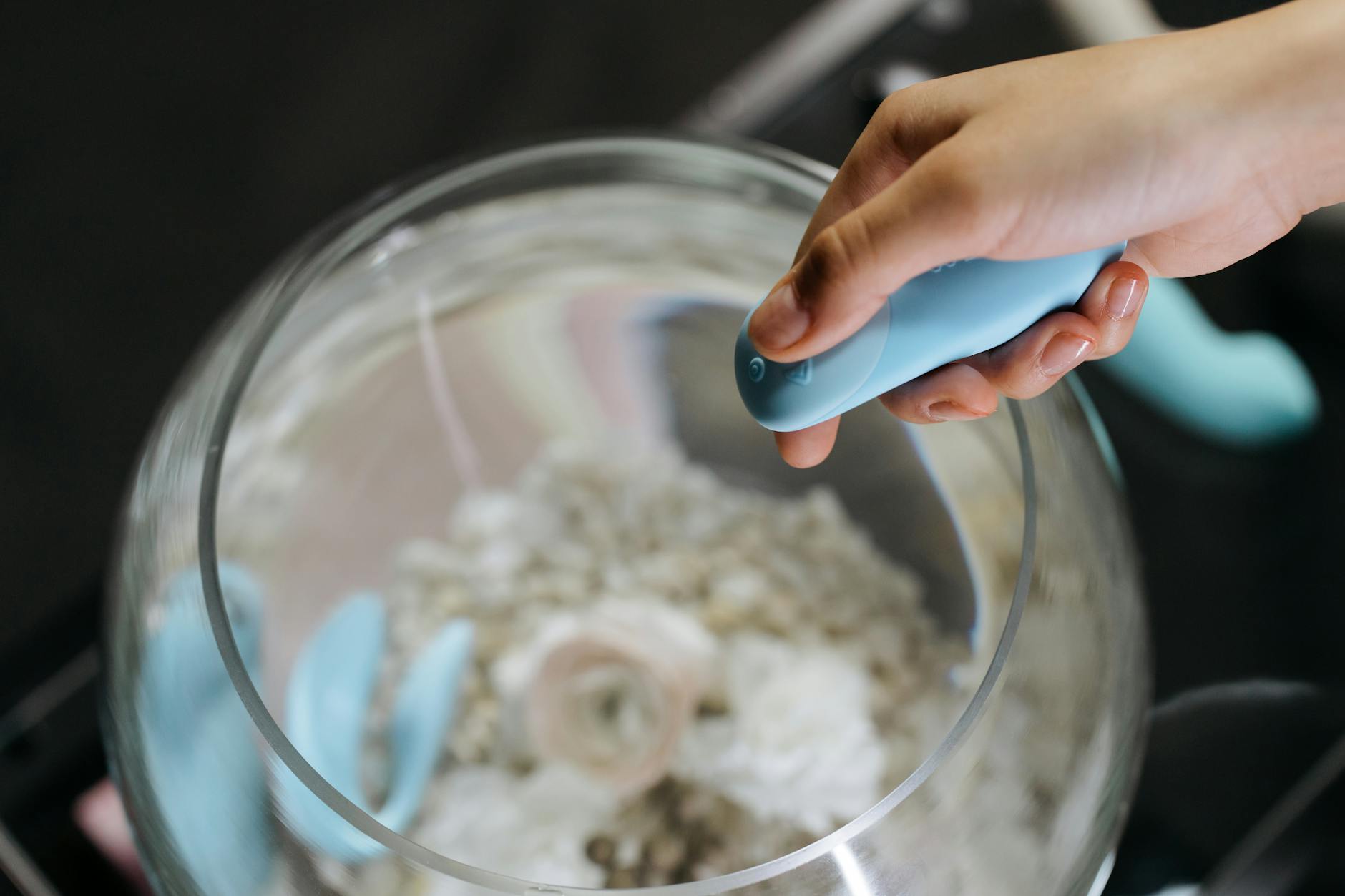 Photo by cottonbro studio on Pexels
The practical setup that actually works
Timing matters. Don't bring a lemon vibrator in when you're both already frustrated or running low on emotional bandwidth. Pick a weekend morning. Set aside 30 minutes. No phones. Make it feel intentional, not desperate.
Lubrication is non-negotiable. Even if you think you don't need it, use it anyway. Water-based works best with silicone toys. It changes the glide, reduces any sensation of drag, and keeps the experience luxurious instead of clinical.
Start with low settings. The Lem has multiple intensity levels. Begin at 1 or 2. Let sensation build before you go higher. Your nervous system needs runway.
Have backup options. If the Lem doesn't feel right that session, that's okay. Maybe traditional vibration works better for you right now. Maybe you need to use it solo for another week first. Flexibility beats rigid expectation every single time.
The hardest part (and how to navigate it)
After distance, many people carry shame. "Why can't I just respond normally?" "What if my body doesn't work anymore?" "Am I broken?" These questions sit underneath the surface during sex, and they kill arousal faster than anything physical can.
Using a lemon vibrator together gives you a language for this. It says: "Your body needs time. And I'm here for that." It removes the assumption that something is wrong with you and replaces it with "let's explore what works now."
For partners, the message is equally important: watching someone you care about rediscover pleasure is genuinely moving. It's not sacrifice. It's witnessing. And it tends to deepen emotional connection in ways that vanilla sex, however satisfying, often doesn't.
When to know it's working
You're rebuilding intimacy well when conversations get easier, not just sex. When you can laugh mid-attempt. When you're curious about what feels good instead of anxious about what's wrong. When your partner can ask "does this setting work better?" without it feeling like failure.
Those are the indicators that you're not just having sex again. You're rebuilding a relationship.
Common questions couples have
Q: Will using a toy make my partner feel inadequate?
Not if you frame it right. "I want to explore this with you" is different than "you can't do this for me." A lemon vibrator is a tool you use together, not a replacement. Many partners actually feel more connected when they can see what brings their person pleasure. It's information they didn't have before.
Q: How often should we use it?
There's no rule. Some couples use it every time they reconnect physically. Others use it occasionally. What matters is that it's not creating pressure. If it starts to feel like "we have to use the vibrator for this to work," you've lost the plot. Keep it optional and curious.
Q: Is it normal if it takes several tries before it feels good?
Completely. Your body is relearning. Your nervous system is waking up. Your brain is learning to trust pleasure again. That takes more than one session. Give yourself grace. Give each other grace.
Q: What if we can't orgasm with it?
Orgasm isn't the goal. Reconnection is. If you both feel more present, more connected, more curious about each other after using a lemon vibrator together, that's a win. The orgasm might follow. It might not. Both are fine.
**Q: Can we use it if we're not in a couple?
Absolutely. Solo exploration with a lemon vibrator helps you understand what your body actually wants right now. That knowledge makes any future partnered exploration better because you know your own terrain first. If you're thinking about introducing toys with a future partner, start by learning your own body on your own timeline.
What actually happens next
You introduce a lemon vibrator. You use it with your partner. Then what? Usually, something shifts. Not because a toy is magic. Because pausing long enough to explore pleasure together forces you both to slow down and pay attention. In a world that teaches us to rush through sex, that pause is radical.
Reconnection isn't about erasing the time you spent apart. It's about building something new that accounts for how you've both changed. A lemon vibrator is just a tool that makes that conversation easier. The real work is the willingness to have it.
If you're ready to rebuild physical intimacy after distance, you probably already know what you need. Permission. Time. Curiosity. And maybe a little help from something that works differently than what came before.