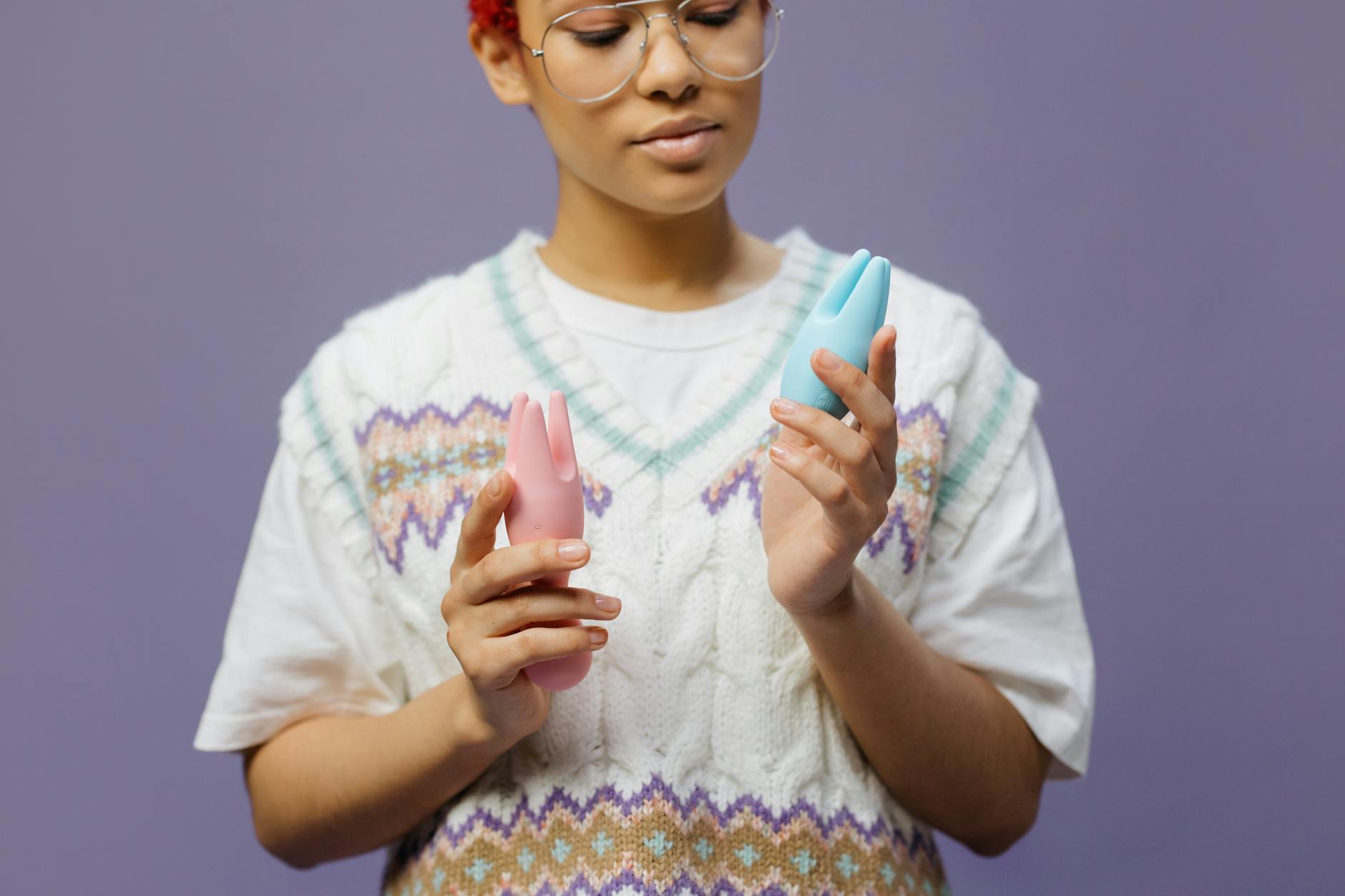
How to Use Lemon Vibrators After Perimenopause When Arousal Takes Longer
Let's be real: perimenopause changes the timeline. What used to happen in five minutes now takes fifteen. And the instinct, of course, is to treat that as a problem. It's not. It's information.
I've worked with hundreds of people navigating this shift, and the ones who adjust their approach find that slower arousal often leads to more intense sensation, clearer orgasms, and honestly? More pleasure overall. Lemon vibrators, especially air-suction devices like the Lem, work beautifully with perimenopause because they don't rely on speed to create sensation. They work with gradual arousal instead of against it.
Here's what changes during perimenopause, why it matters, and exactly how to use lemon clitoral vibrators to match your body's new pace.
What actually happens to arousal during perimenopause
Your hormones are fluctuating wildly, not dropping steadily like they do post-menopause. One week you feel like yourself. The next week, your body feels like it belongs to someone else. Estrogen and testosterone both start their descent, and that affects blood flow to genital tissue, lubrication speed, and how quickly your nervous system responds to touch.
But here's the part nobody talks about clearly: slower arousal doesn't mean weaker arousal. It means your body is taking longer to build sensation, not that the sensation itself is diminished.
Most people misread this as dysfunction. Their partner notices it takes longer and thinks something's wrong. They notice it and assume they're losing capacity. Neither is true. You're just operating on a different schedule.
Why lemon vibrators work differently as arousal slows
Traditional vibrators rely on friction and speed. They work brilliantly when arousal is fast. But when you need fifteen minutes instead of five to build sensation, a high-speed vibrator can feel harsh or even numbing.
Lemon clitoral vibrators, especially air-suction models, create sensation through gentle suction and pulsing patterns. They don't need speed to work effectively. In fact, they often feel better when you start slow and let arousal build gradually. You're not fighting your body's pace. You're matching it.
The Lem, for instance, has multiple suction intensities and patterns. Starting on pattern one or two allows you to ease into sensation over ten to twenty minutes instead of jumping straight to maximum stimulation. This aligns perfectly with how your body actually wants to respond during perimenopause.
Reframe your warm-up as the main event
Here's the biggest mindset shift: stop thinking of foreplay as something to rush through. During perimenopause, slow warm-up becomes the pleasurable part, not the delay.
Instead of fifteen minutes of touch followed by vibrator use, try this: spend the first five to ten minutes building arousal without the Lem. Touch yourself, explore sensation, let your body start waking up. This isn't preparation for the "real" thing. This is part of the real thing.
Then introduce your lemon vibrator at pattern one or two. You're not starting from zero. Your nervous system is already engaged, which means sensation will be clearer and more responsive. You'll build to stronger sensation over the next ten to fifteen minutes instead of expecting immediate intensity.
Most of my clients find that when they stop rushing the warm-up, their orgasms become longer and more nuanced. Your body is literally asking for more time, not less pleasure.
The pattern progression that matches your arousal curve
If you're new to lemon clitoral vibrators or haven't used one during perimenopause, pattern selection matters more than you'd think.
Start on pattern one. The lowest, most rhythmic pulse. Spend two to three minutes here, exploring sensation. Most lemon vibrators have multiple patterns beyond just intensity levels. Some pulse steadily, some pulse in waves, some alternate rhythm. Find the pattern that makes you lean in, not the one that's loudest.
After arousal has built for a few minutes, shift to pattern two. This might be a slightly faster pulse, a different rhythm, or a different suction intensity. Spend another three to four minutes here. Notice what's changing in your body. Are you getting lubricated? Is sensation becoming clearer? Are you feeling more present?
Then pattern three. Then four if it exists and feels right. By the time you reach the highest intensity, your body has had ten to fifteen minutes to respond and build. What happens next often feels completely different from how you'd experience it if you jumped straight to high intensity.
This isn't slow for the sake of slow. It's matching the actual timeline your body needs right now.
Lubrication timing and what perimenopause changes
You might notice that natural lubrication takes longer, or that you're producing less overall. This is real and common. It doesn't mean anything is wrong. It means your lube routine needs to shift.
With air-suction lemon vibrators, external lubrication isn't strictly necessary the way it is with internal toys. But you might notice that adding a bit of water-based lubricant before you start actually helps sensation feel clearer. It's not because you're broken. It's because thinner tissue during perimenopause sometimes benefits from a thin glide layer.
If you do use lubricant, apply it before starting your lemon vibrator. Let the Lem create its seal on pre-lubricated tissue. This prevents the suction from tugging or creating friction that feels uncomfortable rather than pleasurable.
Also: if you're experiencing vaginal dryness more broadly, that's worth mentioning to your doctor. Sometimes it's just perimenopause. Sometimes it signals something else worth checking. Either way, knowing what's happening helps you adjust your pleasure routine with intention rather than frustration.
Timing and frequency adjustments that actually help
You might feel like your libido has shifted. Maybe you feel desire differently now. Maybe you need more external stimulation to feel aroused. Maybe you notice that certain times of day feel better than others.
All of this is normal perimenopause stuff. And here's what I tell my clients: work with it instead of pretending it's the same as before.
If you feel more interested in pleasure in the morning, prioritize that. If evening is better, that's your signal. If you find that you need fifteen minutes of touch before introducing your lemon vibrator, build that into your routine instead of feeling like you're taking too long.
Frequency matters too. Some people find they want more frequent pleasure during perimenopause. Others find they want less. Neither is right or wrong. Your body's asking for something. Listen to it.
When sensation doesn't feel the same and what to actually do
You might notice that your most sensitive areas feel different. Maybe your clitoris feels less reactive. Maybe sensation feels more diffuse. Maybe your favorite lemon vibrator pattern suddenly feels different.
If you've been using a Lem or similar lemon clitoral vibrator for a while and it suddenly feels off, you haven't lost capacity. Your nerve endings haven't changed in a way that matters. Your arousal curve has shifted, which means the approach needs to shift too.
Try starting even slower than you think you need to. Use pattern one for longer than feels natural. Let your body surprise you with how responsive it becomes over time. Many people find that what felt dull at first intensity becomes genuinely pleasurable once they've spent eight to ten minutes on the lower patterns.
There's also a possibility that you need the mental component more now. Are you distracted? Is your nervous system engaged? Are you actually present? Perimenopause often coincides with huge life stuff. That mental load can genuinely affect sensation. A lemon vibrator can't fix exhaustion or stress. But it can help you prioritize your own pleasure, which sometimes is the thing you actually need.
Working with a partner during the arousal shift
If you have a partner, this is where communication becomes essential. The timeline shift can feel personal to them. It's not. And naming it directly makes everything easier.
Something like: "My body's asking for more time to warm up these days. That's not about you. It's about how my hormones are shifting. I actually enjoy it more when we slow down." This frames the change as neutral information, not rejection.
Then decide together how to structure pleasure time. Maybe your partner touches you for ten minutes while you use your lemon vibrator at lower intensities. Maybe you warm up on your own for a bit, then they join you. Maybe you use the Lem together and they explore what's happening with your arousal over time.
The key is separating "takes longer to build" from "doesn't enjoy it as much." Those are completely different things. Most people find that once they accept the longer timeline, arousal becomes more integrated and less goal-oriented. That actually makes partnered sex better.
Common mistakes to avoid
Don't jump straight to high intensity because you're frustrated that arousal is slower. You'll either feel nothing or create an overwhelming sensation that doesn't actually feel good. Start low. Build over time. Let your body dictate the pace.
Don't assume you need a different toy. The Lem works during perimenopause. So do other quality lemon clitoral vibrators. What's changing isn't the tool. It's how you're using it.
Don't blame yourself. You aren't broken. You haven't lost capacity. Your body is literally shifting because of hormonal changes. That's not a personal failure. That's biology.
Don't skip the mental setup. If you're stressed or distracted, lemon vibrators become less effective not because they're faulty but because your nervous system is offline. Create space for yourself. Light a candle if that helps. Put your phone away. Your arousal is worth protecting.
What this actually means for your pleasure moving forward
Arousal taking longer during perimenopause feels like loss if you measure it against your pre-perimenopause experience. But that's not the right measurement.
Measure it against what feels good now. Measure it against whether you're having orgasms that satisfy you. Measure it against whether your lemon vibrator is creating sensation you actually want to sink into.
Most of my clients find that once they stop fighting the slower timeline and start working with it, their pleasure actually deepens. There's more sensation to discover. Orgasms are clearer. The whole experience feels more integrated.
Your body isn't asking you to give up pleasure during perimenopause. It's asking you to show up differently. Lemon clitoral vibrators make that shift easier because they're designed to work with sensation building, not against it. Meet your body where it is, adjust your technique to match your arousal curve, and you'll likely find that pleasure isn't disappearing. It's just evolving.
People also ask
Does arousal take longer for everyone during perimenopause?
Not everyone experiences the same timeline shift, but many people do. Some notice it for a few weeks, then it shifts again as hormones fluctuate. Others find the change more consistent. If arousal has noticeably slowed for you, that's real data about what's happening in your body right now, even if your partner or friends haven't experienced it. Perimenopause is wildly individual.
Can I use my lemon vibrator the same way I did before perimenopause?
You can, but you probably won't get the same results. If arousal is slower, starting at your previous intensity level might feel uncomfortable or numb instead of pleasurable. Adjusting your pattern progression and warm-up time usually makes the experience much better. Think of it as optimizing for your current body, not as losing what you had before.
Should I use lubricant with my lemon clitoral vibrator during perimenopause?
Not necessarily, but many people find a thin layer of water-based lubricant helps sensation feel clearer, especially if natural lubrication is lower. It's not about fixing a problem. It's about matching your vibrator technique to what feels best right now. Try with and without and notice what works for your body.
How long should I spend on each pattern before moving to the next one?
Start with two to three minutes per pattern and adjust based on what feels right. If you're noticing arousal building on pattern one, stay there longer. If you're ready to shift after ninety seconds, shift. Your body will give you signals about what it needs. The whole point is working with those signals instead of forcing a timeline that doesn't fit anymore.
Will my arousal go back to how it was after perimenopause?
Some aspects might shift again post-menopause. But honestly? The arousal timeline changes that happen during perimenopause often stick around. That's not loss. That's your body finding a new baseline. Many of my clients find that once they accept the slower timeline and adjust their technique, they prefer their post-perimenopause sexual experience to what came before, even if the timeline is longer.
Is slower arousal a sign that I need hormone replacement therapy?
Not necessarily. Slower arousal during perimenopause is incredibly common and doesn't automatically mean you need HRT. It might just mean your body is responding to normal hormonal fluctuation. That said, if arousal slowness is paired with other significant symptoms that are affecting your quality of life, that's worth discussing with your doctor. But isolated timeline changes? That's normal perimenopause territory.
Getting support as your body shifts
Sex during perimenopause doesn't have to feel like loss. It requires showing up differently, adjusting your technique, and giving your body permission to move at its actual pace instead of a speed that worked five years ago.
Lemon clitoral vibrators, especially air-suction models, make that transition easier because they work with slow arousal instead of against it. If you're noticing changes in how long arousal takes, that's your signal to experiment with lower intensities, longer warm-ups, and pattern progressions that match your current body.
Your pleasure matters. Your body's pace matters. And the tools you're using matter too. If you want to talk through what's working, what isn't, or how to navigate pleasure during this shift, reach out to us. We're here to help you enjoy this part of your life, not survive it.