
The thing nobody tells you about coming back
So you haven't touched pleasure in a while. Maybe it was six months. Maybe it's been three years. Maybe something shifted in your relationship, your health, your head, and suddenly the idea of exploring pleasure alone or with a partner felt too loaded, too complicated, or just not on the table. That's real. That's common. And it doesn't mean you're broken.
Here's what I see clinically: people who take a long break from pleasure aren't starting from zero when they come back. They're starting with a whole layer of stuff underneath.guilt, maybe. Uncertainty about whether their body still works the same way. Worry that a partner will judge them, or that they'll judge themselves. Sometimes there's just awkwardness.the device feels foreign, or you're not sure what you're doing anymore. All of that is navigable. None of it is permanent.
Why the mental piece matters more than the physical one
I'm going to be direct: your body hasn't forgotten how to feel pleasure. Your nerves are still there. Your capacity for arousal is intact. But your head might be in the way.
When we step away from pleasure for months or years, we're often not just taking a break from a physical act. We're stepping away because something emotional, relational, or circumstantial made it feel unsafe or irrelevant. Coming back isn't just about picking up a toy again. It's about deciding that pleasure is worth your time and energy right now. That's the hardest part, and it has nothing to do with lemon vibrators.
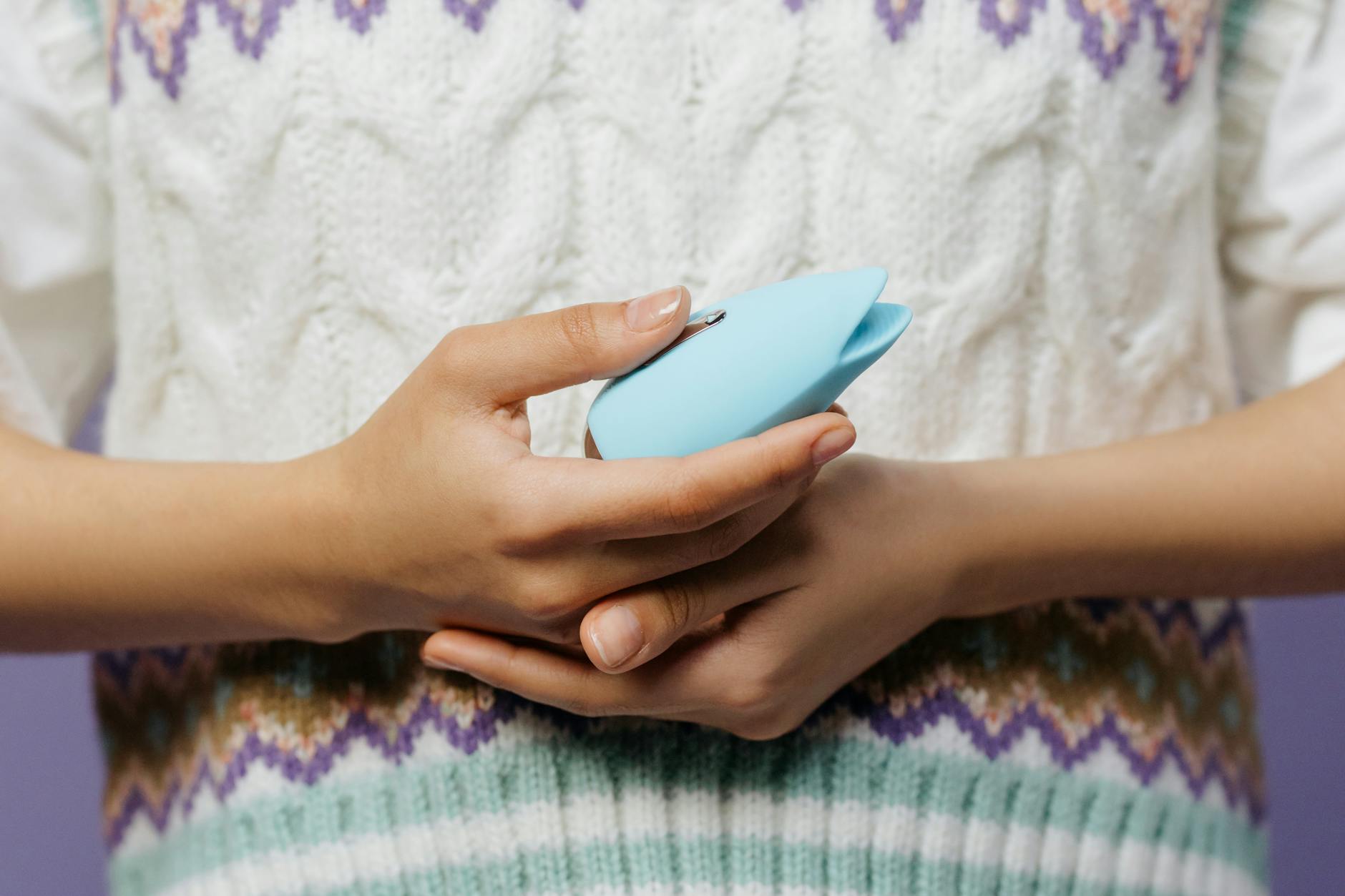
Photo by cottonbro studio on Pexels
Getting clear on your actual barriers
Before you buy anything or set up a perfect moment, get honest about what stopped you from pursuing pleasure in the first place. This matters because the reentry strategy is different depending on the barrier.
If the break came because of a relationship shift.infidelity, distance, disconnection, or a brand-new partner.then you're rebuilding not just personal pleasure but trust and vulnerability. If it came because of depression, burnout, or medication changes, you're working with a different neurochemistry. If it came because you were taking care of small children, aging parents, or your own recovery, that's a time scarcity issue, not a desire issue. If it came because pleasure felt overwhelming or intense, you're rebuilding your tolerance and your sense of safety in your own body.
None of these barriers disappear the moment you decide to come back. But naming them helps you build a reentry plan that actually fits your life instead of some fantasy version of it.
Choosing the right tool for a restart
This is where lemon clitoral vibrators earn their reputation with people who've been away from pleasure for a while. Here's why:
Air-suction devices like the Lemon work differently than bullet vibrators or wands. Instead of direct vibration, they use gentle suction that stimulates a much larger area of nerve endings at once. For someone coming back after a break, that matters because it means you're less likely to overstimulate or feel that "too much, too fast" sensation that can make a restart feel jarring.
The Lemon also has a learning curve that works in your favor. It's not intuitive in the way a traditional vibrator is, so you're forced to approach it with curiosity and experimentation rather than muscle memory. That actually rewires the experience from "I used to do this" to "I'm discovering what this feels like now." Your body has changed. Your sensitivity has changed. Your preferences have changed. A tool that requires you to learn it fresh helps you meet your current self instead of chasing your past self.
If air-suction feels too new, or if you want something simpler for your first reentry session, a basic clitoral vibrator with variable speeds can work just as well. The bar for coming back isn't about the fanciest toy. It's about choosing something you're not intimidated by.
The actual reentry protocol
Four things make a restart feel less like a performance and more like self-discovery:
1. Privacy that feels real, not performative. You need time and space where you're not listening for footsteps or keeping your phone at arm's length in case someone texts. This doesn't have to be a luxury spa day. It can be forty minutes on a Tuesday afternoon after your partner goes to work. It's the certainty of uninterrupted time that matters.
2. A warmup that's longer than you'd expect. After a long break, arousal takes longer to build. Budget twenty to thirty minutes just for getting in your body.music, reading something that turns you on, a shower, whatever makes you feel sensual. This isn't wasted time. This is where the reconnection actually happens.
3. Starting at the lowest setting. Whether you choose a lemon clitoral vibrator or another device, begin at the gentlest intensity available. This does two things: it reminds your nervous system that pleasure is safe and gradual, and it prevents that overwhelmed feeling that can make someone quit entirely. You can always turn it up. You can never un-feel "too much."
4. Zero expectation of orgasm. This might be the most important one. Coming back to pleasure doesn't have a finish line. You're not trying to "get off." You're trying to feel something again, to remember what your body is capable of, to reestablish that your pleasure deserves time and attention. If an orgasm happens, great. If it doesn't, you still won. You showed up.
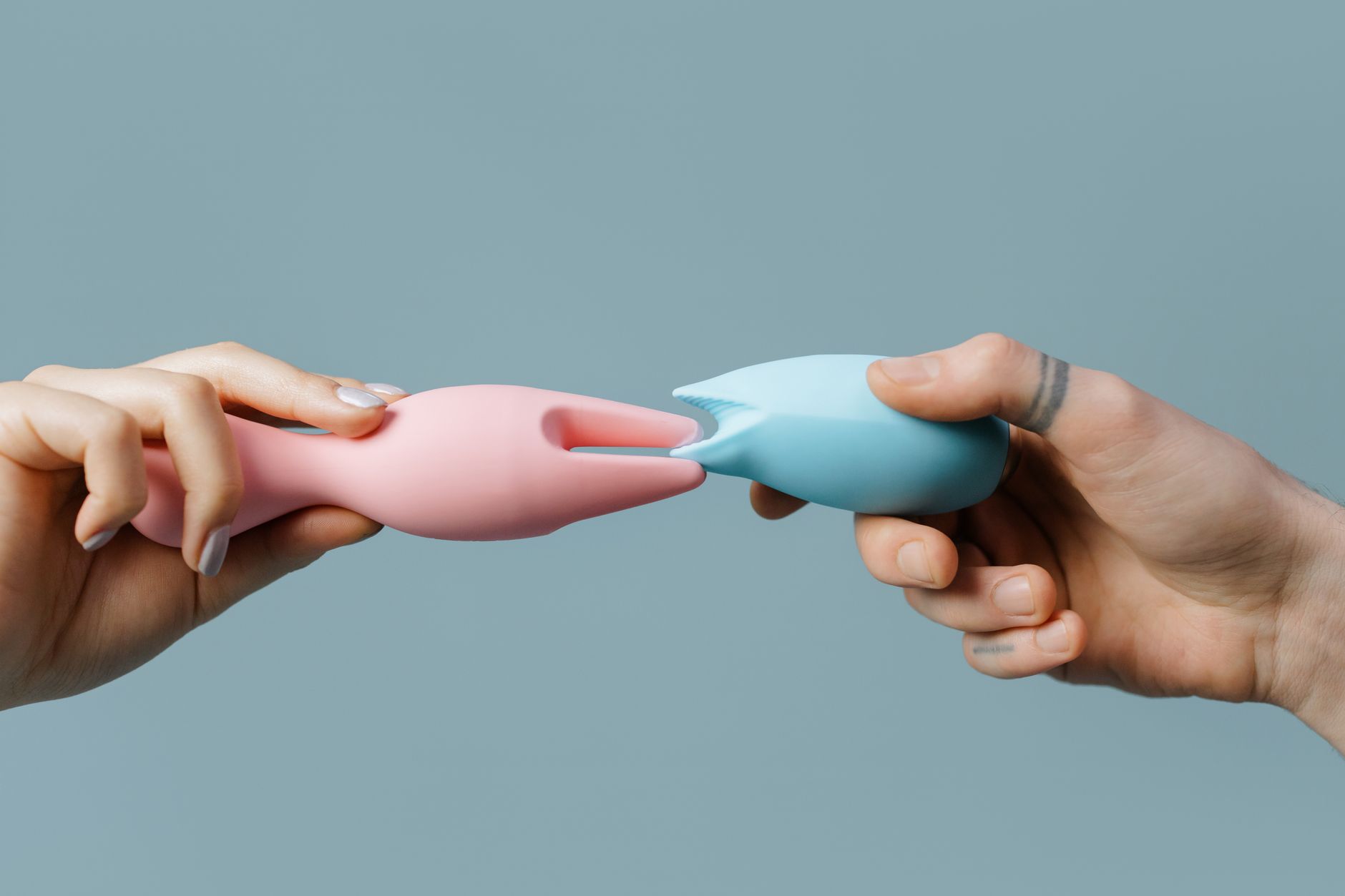
Photo by cottonbro studio on Pexels
What to do if it feels weird or disappointing
It will, sometimes. And that's the exact moment most people quit.
Your body might feel numb for the first few sessions. That's normal after a break. It's not permanent, and it doesn't mean you need a stronger toy. It means you need more sessions, more time, more patience. Numbness usually clears within a few visits back to pleasure.
You might cry. Pleasure after a long absence can unlock a lot of emotion, especially if the break was tied to grief, relationship damage, or loss of self-care. Crying isn't a sign something's wrong. It's often a sign something's starting to heal.
You might realize you want pleasure very differently than you did before. The positions that used to work don't feel good. The intensity level has shifted. Your fantasies have changed. That's not disappointing. That's your current self telling you what she actually wants, not what past-you wanted. Listen to that.
And if you're partnered, know this: coming back to pleasure after a long break sometimes uncovers relationship issues that weren't visible when pleasure was absent. If your partner is uncomfortable with your reentry, that's information. It doesn't mean you should stop coming back to yourself. It means you have another conversation to have. A good one to have sooner rather than later, ideally with support.
When to bring a partner into it
Honestly? Solo exploration first, partner collaboration later. When you're reestablishing your own pleasure solo, you're learning what your body needs without any performance pressure or accommodation. That's powerful. That's where real clarity lives.
Once you've had a few sessions alone and you know roughly what feels good, what intensity you prefer, and what your reentry pace looks like, then it becomes something you can share. And you can share it with intention and communication, not from a place of apology or uncertainty.
If you're coming back to pleasure after a period where your relationship was distant or fractured, the solo reentry is especially important. It gives you back the ability to be the source of your own pleasure instead of waiting for someone else to make you feel good. That shifts the entire dynamic.
The permission you actually need
Here's the thing I tell every client who's coming back after a break: pleasure is not a luxury. It's not something you earn by being productive enough or worthy enough or recovered enough from whatever put you on pause. It's a part of being alive, of being in your body, of remembering that you deserve to feel good.
A long break doesn't disqualify you. It doesn't mean you're starting from scratch or that you've somehow "reset" your sexuality. You're just picking it back up, with all the wisdom and self-knowledge you've gained in the time you were away. That's actually a gift, even if it doesn't feel like one yet.
Start with lemon clitoral vibrators or another tool that feels right. Start with privacy and low expectations. Start with curiosity instead of performance. And give yourself permission to come back as many times as you need to before it feels natural again.
People also ask
How long does it take to feel pleasure again after a long break?
It varies widely, but most people see some shift within 2-4 sessions. Full comfort and confidence usually take 6-8 weeks of regular exploration. The key is consistency, not intensity. Three ten-minute sessions beat one desperate two-hour marathon. Your nervous system needs to learn that pleasure is safe and accessible, and that takes gentle, repeated practice.
Is it normal to feel numb when coming back to pleasure?
Completely normal. Numbness after a long break usually stems from either nervous system dysregulation or simply the physical deconditioning of your sensory response. It clears faster if you keep exploring gently rather than stopping and waiting for feeling to "come back." Keep at it, lower your expectations, and the sensation usually returns within a few weeks.
Should I use the same type of vibrator I used before the break?
Not necessarily. Your body has changed. Your preferences have changed. Starting fresh with something like a lemon clitoral vibrator gives you the chance to learn what your current body wants rather than trying to recreate what past-you enjoyed. That said, if you have a toy you loved and felt safe with, there's no harm in starting there. Just notice if it feels the same, and be willing to switch if something newer works better.
What if my partner doesn't want me to explore pleasure alone?
That's a conversation worth having sooner rather than later. Your pleasure is not your partner's decision. If they're uncomfortable with solo exploration, there's usually a fear or insecurity underneath that's worth naming.fear that you'll "need" the toy instead of them, fear that pleasure means infidelity, fear that they'll lose control. Those fears are real to them, but they don't override your autonomy. Professional support from a couples counselor can help navigate this.
Can I use a lemon vibrator if I have vaginal dryness?
Yes. Air-suction toys like the Lemon don't require the kind of direct friction that can be uncomfortable with dryness. That said, using a water-based lubricant (even on the external vulva) can increase comfort and sensation. Dryness after a long break sometimes also reflects hormonal shifts or medication changes that a doctor can address. Rule out the medical piece while you're rebuilding the pleasure piece.
How do I know if my break was about the relationship or about me?
There's usually not a clean answer. But one way to tell: if you're exploring solo and feeling alive and curious, the pause was probably relational. If you're exploring solo and still feeling flat or obligated, the pause was probably about something deeper.burnout, depression, a medication side effect. Both are fixable, but they require different approaches. If it's relational, you might need couples work. If it's personal, you might need individual therapy or a doctor's visit. Usually it's both.
Getting started
Pick a day in the next week. Clear thirty minutes. Choose privacy that actually feels private to you. Pick a tool that doesn't intimidate you.a lemon vibrator, a basic wand, whatever. Set zero expectations. Just show up and feel what happens. That's the whole protocol. Everything else is refinement.
Your pleasure has been waiting. It's not disappointed in you. And it's still there, whenever you're ready to come back.