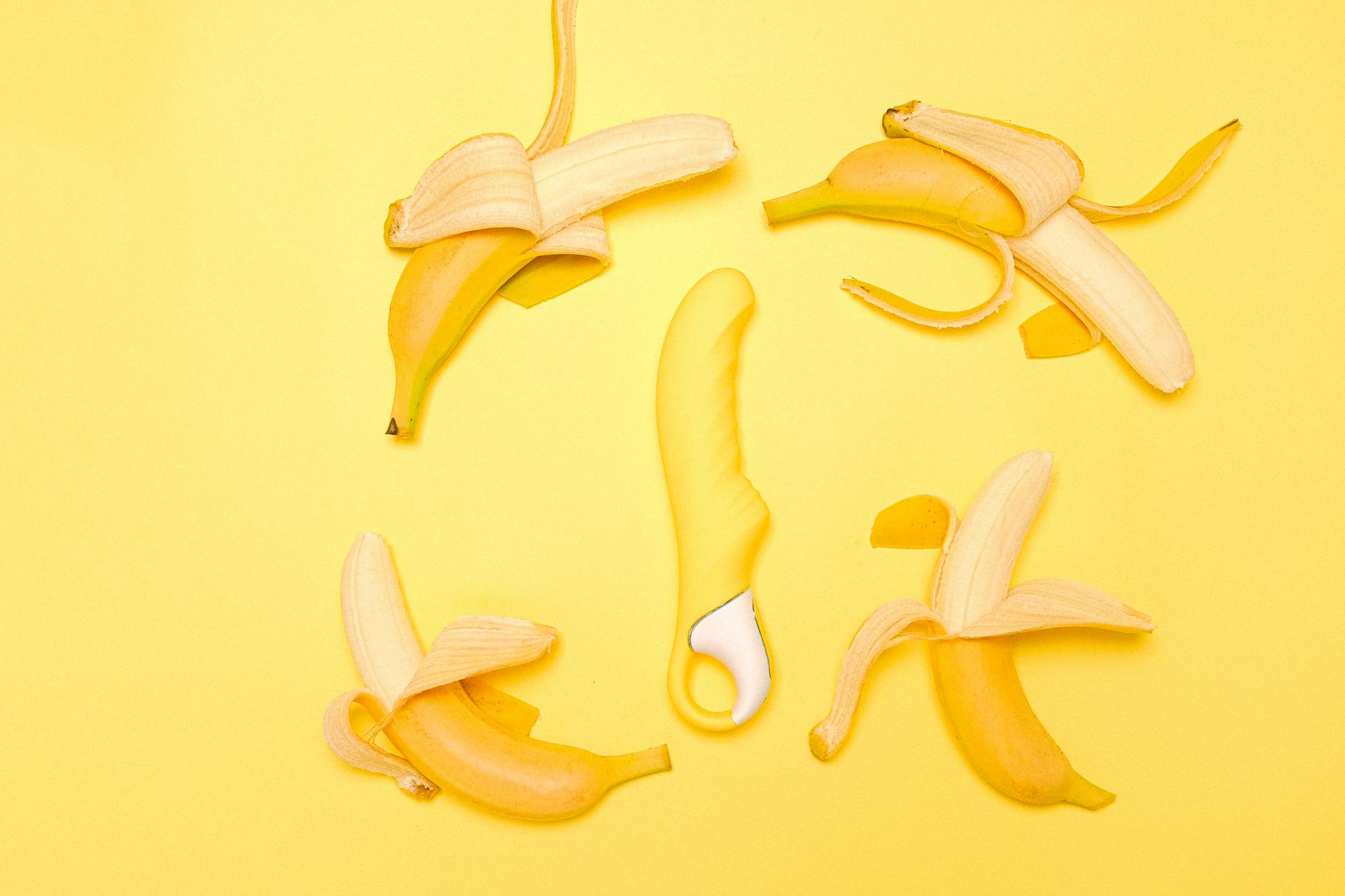
Here's the real thing about suction and bruising
Bruising from lemon vibrators is rare. It happens, but usually for one of three specific reasons, not because the toy itself is dangerous. Understanding the difference between normal suction sensation and actual tissue damage means you can use your clitoral vibrator confidently without unnecessary anxiety.
The clitoris is delicate tissue, yes. But it's also surprisingly resilient when you're not fighting the toy or using maximum intensity for 45 minutes straight. Most bruising comes from user error, not product design.
How suction actually works on the vulva
Lemon sexual toys use gentle suction to stimulate nerve endings around the clitoris. This is fundamentally different from vibration. Instead of buzzing, the toy creates a soft pulse that draws tissue upward into a gentle cup, then releases. Think of it like a very slow, controlled kiss rather than a pressure point.
When used at lower intensities (levels 1-3), this suction is so gentle that many people don't feel a dramatic "pull" at all. You feel more of a warm, spreading sensation. The tissue inside the cup stays protected. No pinching, no bruising.
What makes bruising happen is escalating intensity too quickly, holding maximum suction for prolonged periods, or using the toy on already-irritated or over-stimulated tissue. The vulva has excellent circulation, which is why it bruises visibly. Blood rushes to the area during arousal, making even minor trauma more likely to show up as discoloration.
The difference between normal redness and bruising
After using a lemon clitoral vibrator, some redness is expected. The tissue has been stimulated. Blood flow increases. You might see a slight rosy tone that fades within 30 minutes to a few hours. This is normal and not a sign of damage.
Actual bruising looks different. It's darker (purple, blue, or red that doesn't blanch when you press it), it persists for days, it might feel tender to touch, and it was preceded by either intense suction or a longer session than usual. Small bruises fade in 3-7 days. Larger ones can take 2-3 weeks.
If you see bruising and you're certain the toy was the cause, it means you either went too intense too fast, or you used it for too long without a break. This is fixable. It doesn't mean you can never use a lemon vibrator again.
Why pressure alone doesn't usually cause bruising
The genius of suction-based lemon toys is that they don't rely on hard pressure. A traditional vibrator pressing directly into tissue can absolutely cause bruising if the intensity is high enough. But the Lem and similar suction devices distribute pressure across a wider surface area through the cup.
Think of it like the difference between pressing your thumb into your arm (creates a bruise easily) and cupping your arm gently with your whole hand (spreads the force). The suction toy is the cupped hand. It's designed to be gentler precisely because vulval tissue needs gentleness.
That said, if you're using the toy at maximum intensity for 20+ minutes, you can absolutely overwhelm the tissue and create bruising. Your body isn't built to sustain that level of stimulation repeatedly without recovery time. How long should you wait between lemon vibrator sessions depends partly on how intense you went and how sensitive your tissue naturally is.
Six things that actually increase bruising risk
1. Starting at high intensity. Your first instinct might be to jump to level 4 or 5 to feel something. Don't. Start at level 1 or 2 every session, even if you've used the toy before. Your tissue responds differently depending on hormones, hydration, how long it's been since you last used it, and stress levels.
2. Using it during your period. Blood is already flowing heavily to your vulva. The tissue is more engorged and more prone to bruising. You can still use a lemon vibrator during menstruation if you want to, but stick to lower intensities and shorter sessions.
3. Dehydration. Tissue that's dehydrated bruises more easily because it's less plump and elastic. Drink water before and after. This matters.
4. Certain medications. Blood thinners, NSAIDs, and some antidepressants can make bruising more visible. If you're on any of these and you notice new bruising, it doesn't mean the toy caused tissue damage. It means your blood is thinner and shows bruising more easily. Still worth mentioning to your doctor if it worries you.
5. Using the same intensity every single day. Your tissue adapts. If you use level 4 daily for a week, by day five your tissue has gotten used to it and you're tempted to push to level 5. Then level 5 becomes normal and you push to max. This is how people accidentally hurt themselves. Vary your intensity or take breaks.
6. Not letting the toy seal properly. If you're using a clitoral vibrator in a rush or without enough lubrication, the cup won't form a good seal. You end up with awkward pressure points instead of distributed suction. Use a bit of water-based lube, take your time getting comfortable, and let the seal happen naturally.
What to do if you do get bruising
First, stop using the toy for a few days. Your tissue needs recovery time. Ice can help in the first 24 hours if there's swelling. After that, gentle heat feels better.
Wear comfortable underwear and clothes that don't create pressure on the area. Avoid other clitoral stimulation, including during partner sex, until the bruising fades. Your tissue is literally injured (even if mildly) and needs rest.
If the bruising is accompanied by pain that doesn't fade after a few days, swelling that gets worse instead of better, or any discharge that looks unusual, see a gynecologist. Serious tissue damage is rare with lemon clitoral vibrators, but it's worth ruling out.
The honest truth about suction toys and your body
Lemon vibrators are among the safest clitoral toys on the market specifically because they use suction instead of direct pressure or intense vibration. The design is actually protective of delicate tissue. But they're still a tool that requires respect and attunement to your body.
Bruising happens when you ignore signals. Maybe you push to maximum intensity because you're chasing an orgasm that won't come. Maybe you use it for 30 minutes straight because it feels so good you don't want to stop. Maybe you're so focused on the outcome that you're not actually paying attention to how your body feels.
The antidote to bruising isn't avoiding lemon sexual toys. It's slowing down. Starting low. Noticing what intensity level actually feels best (spoiler: it's often not the highest setting). Taking breaks. Treating your vulva like it deserves attention and care, not just stimulation.

Photo by cottonbro studio on Pexels
When to worry and when to relax
Most bruising from a lem vibrator fades without any intervention and without any lasting damage. Your tissue is resilient. But there's a difference between normal response and warning signs.
Relax if you see: light redness that fades within an hour, slight tenderness that goes away after a day, or minor bruising that appears 24 hours after use and gradually lightens over a week. These are all normal responses to stimulation.
Pay attention if you see: severe bruising that appears immediately, swelling that gets worse over time, pain that doesn't improve after a few days, any sign of infection, or bruising accompanied by unusual discharge. These warrant a conversation with your doctor.
The difference usually comes down to intensity and duration. Normal responses happen when you use the toy appropriately. Warning signs usually mean you went harder or longer than your tissue could handle in that moment.
FAQ: Lemon vibrators and tissue safety
Can you get permanent damage from lemon vibrator pressure?
No. The tissue of the vulva and clitoris heals quickly and completely. Even significant bruising resolves without scarring or lasting damage. Your tissue doesn't have memory in the way that scar tissue forms elsewhere on your body. Once bruising fades, it's gone. That said, repeatedly causing severe bruising is still worth avoiding, not because of permanent damage but because pain and bruising aren't fun.
Does using a lemon sucker on sensitive skin increase bruising risk?
Actually, lemon vibrators work better for sensitive vulvas because suction is gentler than vibration. Sensitive tissue bruises more easily in general, which means you should stick to lower intensities, but suction toys are actually the better choice if you're prone to irritation. The distributed pressure of the cup is easier on delicate tissue than the concentrated buzz of traditional vibrators.
What if bruising happens after one use?
If you got bruising after a single use, you likely used a higher intensity than your tissue was ready for, or you used it longer than you realized. It happens. Take a break, let it heal, and next time start at level 1 or 2 and build up over time. Your body learns what it can handle. The first use is often a learning experience, not a warning that the toy is unsafe.
Can lemon clitoral vibrators cause nerve damage?
No. The nerve endings in your clitoris are protected by tissue and they're designed to respond to stimulation. Suction toys stimulate those nerves. They don't damage them. Even if you used a lemon vibrator at high intensity every day for months, you wouldn't damage the nerves. You'd get adaptation (the sensation feeling less intense over time), but not nerve damage. That's just how nerves work.
Is it normal for bruising to happen without you feeling pain during use?
Completely normal. The clitoris has an incredible number of nerve endings, but not all of them register pain signals. You can absolutely get tissue trauma that shows up as bruising without feeling sharp pain in the moment. You might feel mild pressure or intensity, but not pain. The bruising appears later. This is why checking in with your body after use matters as much as during.
How do I know if my lemon sexual toy is too intense for me?
If you're seeing bruising regularly, or if you're always jumping straight to level 4 or 5 to feel anything, the intensity might be wrong for your body. Some people naturally have less sensitive tissue. For them, higher intensities feel appropriate. Others bruise easily and need to stay at lower levels. Neither is wrong. It's just your individual response. Pay attention to what intensity feels good without leaving marks, and stick there.
The bottom line
Lemon vibrators don't inherently cause bruising. Your tissue responds to stimulation, and sometimes that includes bruising, but it's usually preventable. Start low, pay attention, take breaks, and treat your vulva with the care it deserves. Bruising is information. It tells you that you went harder than your tissue wanted in that moment. It's not a failure. It's feedback.
If you want support figuring out what's right for your body, or if you're navigating any changes in your sexual wellness as you age or as your body changes, that's what contact is for. You don't have to figure this out alone.